Hydrogen Fuel Cell News: Safran and ZeroAvia Launch Hydrogen-Electric Aviation Partnership
Safran and ZeroAvia have teamed up to develop hydrogen-electric propulsion systems for regional aviation, combining high-temperature fuel cells with certified electric motors to enable zero-emission flight and support local hydrogen infrastructure.
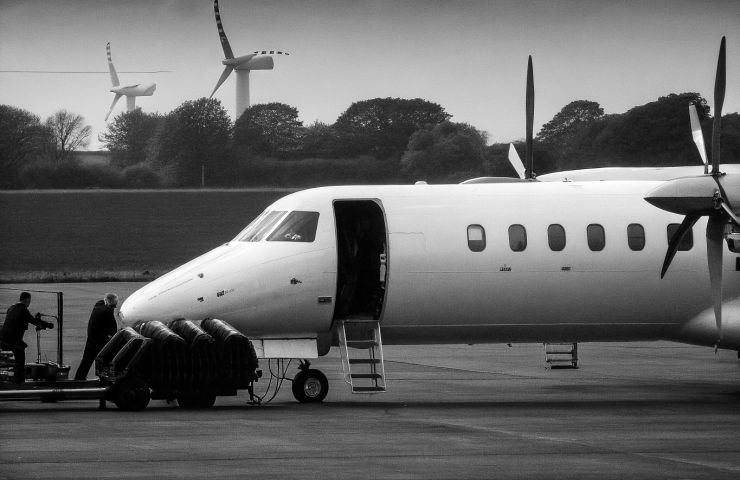
Safran and ZeroAvia are teaming up to create some groundbreaking hydrogen-electric propulsion systems for aircraft. This strategic collaboration fuses the expertise of a leading aerospace supplier—known for its electrification know-how—with the innovative designs from a rising star in the hydrogen energy scene. Their goal? Tackle the pesky issue of carbon emissions in aviation head-on. By marrying high-temperature hydrogen fuel cells with certified electric propulsion tech, they’re looking to boost power levels for regional aircraft while completely cutting out in-flight CO₂ emissions. It’s a win-win that addresses two big challenges: reducing greenhouse gases and paving the way for a more robust infrastructure for green hydrogen production and hydrogen storage.
The concept behind it is refreshingly simple but incredibly powerful. Clean hydrogen serves as an energy carrier that feeds into fuel cells to power electric motors, leaving jet fuel in the dust. Picture this: compressed hydrogen is stored onboard and sent to fuel cell stacks where it creates electricity and heat, with nothing but water as a byproduct. That electricity is then distributed to high-efficiency electric motors, which drive the propellers or fans. Unlike battery electric systems that can limit range due to energy density, fuel cells pack more energy per weight, bridging the gap for regional flights. This approach effectively answers the question of how do hydrogen fuel cells work in aviation and makes it clear why hydrogen fuel cell vs battery electric discussions often lean toward fuel cells for longer distances.
How the Technology Works
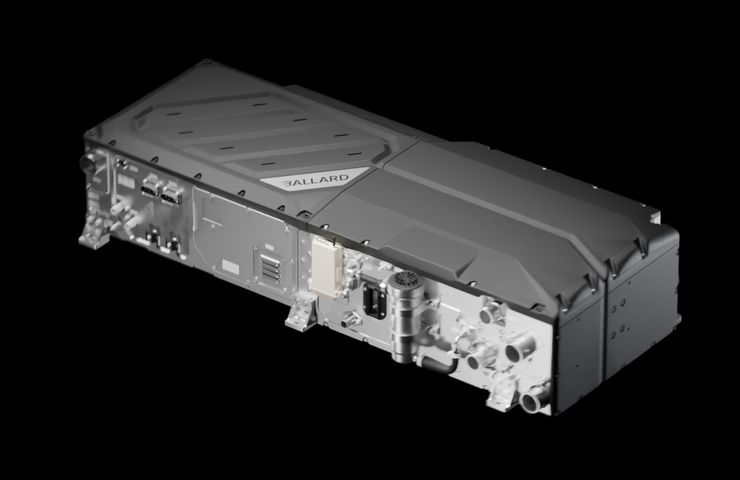
What truly drives this partnership is the focus on high-temperature fuel cells. These aren’t your run-of-the-mill, low-temperature proton-exchange membranes. Operating at elevated temperatures means they’re more efficient, can speed up reactions, and even capture high-grade waste heat for onboard needs—like de-icing or cabin heating. Both teams are busily developing fuel cell stacks designed specifically for aviation, while also optimizing the balance of plant to meet aviation requirements. They’re tackling critical challenges like rapid startups, variations in altitude, and the ever-important safety protocols during flights. By leaning into current hydrogen production methods that are low in carbon and syncing up with developing hydrogen infrastructure at airports and maintenance facilities, they aim to hit aviation’s strict standards for power density and reliability. Plus, Safran's certified ENGINeUS electric propulsion components will integrate seamlessly with ZeroAvia's hydrogen-electric powertrains, creating a full-system solution that can be rigorously tested on the ground and in the air.
Practical Applications and Benefits
This collaboration is set to address very real problems for regional airlines, charter operators, and defense platforms eager for cleaner alternatives to traditional turboprops. Thanks to a modular design, existing airframes can be retrofitted with these hydrogen-electric systems, meaning fleets can start reducing their emissions without the long wait for new aircraft models. And as hydrogen prices drop and maintenance needs decrease due to the simplicity of electric motors, airlines could enjoy lower operational costs over time. Not to mention, regional airports in Europe and North America could install onsite electrolyzers or refueling tanks to enable local hydrogen storage—this means they can avoid the carbon costs tied to long-distance fuel shipments. Plus, these systems could open up new routes to smaller communities with shorter runways, while training programs for pilots and technicians on hydrogen handling and maintenance are also ramping up. It’s a practical way to move zero-emission flight from concept to everyday reality.
Environmental and Economic Impact
The shift to hydrogen-powered flight could lead to zero in-flight CO₂ emissions, and studies from initiatives like the EU’s Clean Sky 2 suggest that fuel cell propulsion could shrink aviation’s climate footprint by a jaw-dropping 75–90% compared to conventional jet fuel, assuming the hydrogen is sourced from renewable energy. Not only does this partnership tackle the green hydrogen vs blue hydrogen debate by spotlighting renewable routes, but it also emphasizes how real-life choices can push for life-cycle decarbonization. Economically, this initiative aligns well with regional development strategies, creating high-skilled jobs in areas like manufacturing, assembly, and the whole spectrum of infrastructure deployment. It's firmly made in Europe, made for Europe’s future, leveraging the rich aerospace heritage from France and Britain to develop new supply chains.
Local Communities and Infrastructure
Communities will gain a lot too, as new centers of excellence pop up around hydrogen-electric propulsion maintenance, certification, and support services. By going local in France and the UK, this collaboration aims to build a network of suppliers, test facilities, and training programs that could employ hundreds of skilled engineers and technicians. As investments flow into hydrogen infrastructure—including electrolyzers, hydrogen refueling stations, and storage solutions—local airports will not only boost energy security but also diversify their economies. Companies working in remote areas might even link these systems with renewable sources—like wind, solar, or hydro—to build microgrid-style hydrogen production hubs right by the runway. This guarantees a reliable supply of zero-emission fuel. Economic forecasts suggest that as hydrogen production ramps up, operating costs will come into line with jet fuel pricing, opening up fresh revenue streams for airport operators and service providers.
Looking Ahead
So, what’s next on the agenda? Safran and ZeroAvia are gearing up for integrated ground tests of their hydrogen fuel cell electric propulsion systems, followed by ambitious flight demonstrations on testbeds. They’re targeting key certification milestones with European and US regulators, including EASA and the FAA, while also learning from the experiences gained through ZeroAvia’s Hydrogen Challenge with the UK CAA. They’re diving into broader hydrogen project financing avenues and considering clean hydrogen offtake agreements to set the stage for convenient hydrogen refueling stations at crucial regional hubs. This isn’t just about one aircraft; it's a foundational leap towards an expansive hydrogen infrastructure capable of supporting various hydrogen vehicles, from cars to buses—and even hydrogen data centers that depend on reliable, zero-emission backup power.
A New Era of Flight
As aviation navigates its way to net-zero emissions, partnerships like this show that innovation can be both practical and effective. The essence is straightforward yet profound: combine clean hydrogen production, cutting-edge fuel cells, and certified electric propulsion to launch a new era in flight. This aligns perfectly with global decarbonization ambitions and the push for cleaner transportation solutions, highlighting how hydrogen production and hydrogen storage can integrate into airport operations while boosting local economies too. For travelers and communities alike, the future of hydrogen-electric aviation is poised to deliver quieter, cleaner journeys. It’s a remarkable outcome from the collaboration of established aerospace leaders and nimble innovators—made in Europe, made for global skies, all while harnessing the best of local manufacturing and engineering savvy.