PowerCell Group to Supply Systems for Liquid Hydrogen Cargo Vessels
PowerCell Group has reportedly been contracted to equip two liquid hydrogen cargo vessels with PEM fuel cell systems, signaling a key step toward zero-emission shipping.
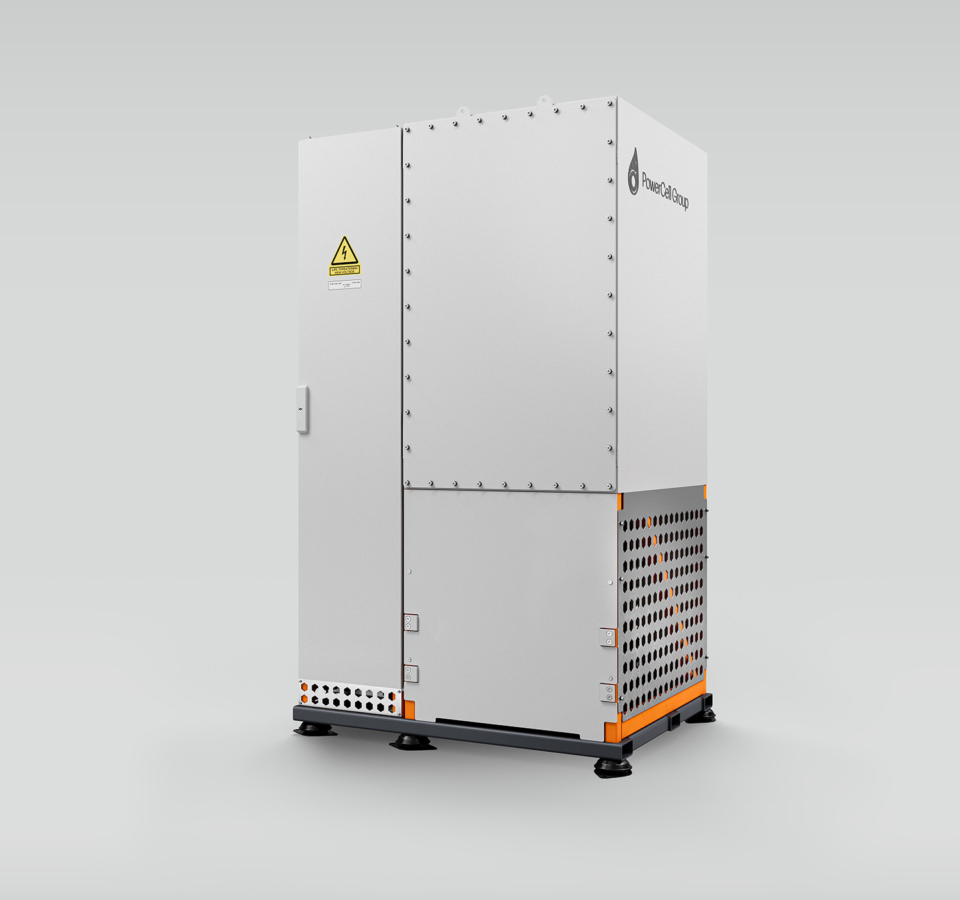
According to industry reports, PowerCell Group has recently secured a contract to supply hydrogen fuel cell systems for two liquid hydrogen cargo vessels being developed by an entity known as LH2 Shipping. Although the precise timing and commercial terms have not been formally confirmed by the company, the announcement—mentioned as having occurred on 25 June in secondary sources—marks a potential milestone in the shift toward zero-emission deep-sea transport. By integrating proton exchange membrane fuel cells and cryogenic hydrogen logistics, this project could demonstrate a fully hydrogen-powered supply chain that addresses both cargo transport and vessel propulsion.
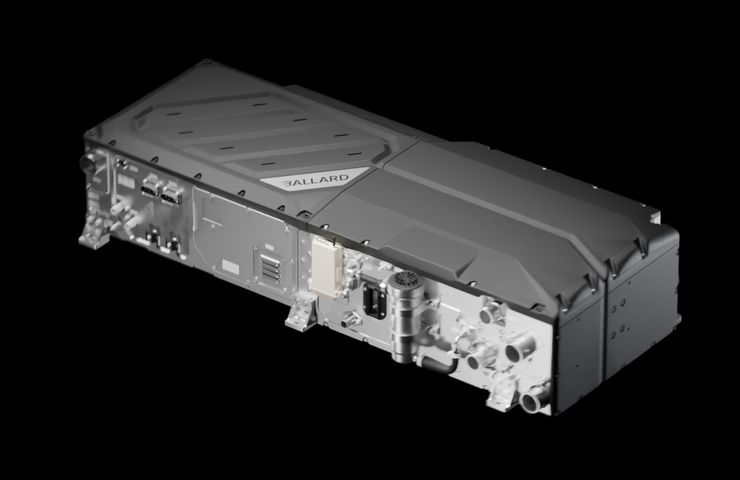
PowerCell Group, headquartered in Gothenburg, Sweden, emerged as a spin-off from a major automotive manufacturer in 2008. The company specializes in the development and production of PEM fuel cell stacks and systems for stationary, automotive, marine and off-grid applications. Its PowerCellution Marine System has obtained type approvals from leading classification societies, signaling bankability for shipowners seeking low- and zero-emission power solutions in ferries, workboats and specialized cargo vessels. On past projects, PowerCell has collaborated with shipyards and system integrators to deliver modular fuel cell units that meet maritime safety rules on vibration, fire suppression and ventilation.
PEM Fuel Cell Technology in Marine Applications
In a proton exchange membrane (PEM) fuel cell, hydrogen gas is fed to the anode, where a catalyst splits it into protons and electrons. The protons migrate through a polymer membrane to the cathode, while the electrons generate a direct current (DC) through an external circuit. At the cathode, ambient air supplies oxygen that reacts with protons and electrons to form water, with heat as a secondary by-product. Marine fuel cell modules package multiple stacks into racks that include fuel-gas distribution, power electronics, thermal management and safety devices such as hydrogen leak detectors.
These systems are typically connected to electric propulsion motors or the ship’s auxiliary grid. Batteries may be added for peak shaving or redundancy, ensuring smooth power delivery during maneuvers and load changes. Classification societies like DNV and Bureau Veritas have developed rules to govern fuel cell installations, covering areas such as cell enclosure strength, fire isolation, gas detection zones and emergency shutdown procedures. PowerCell’s marine offering is designed to slot into existing engine rooms or designated technical spaces, simplifying integration for newbuilds or retrofit projects.
Liquid Hydrogen Shipping and Fuel Integration
Transporting hydrogen in liquid form requires cooling it to around −253 °C, which greatly increases volumetric energy density compared with high-pressure gas. Liquid hydrogen (LH2) vessels resemble LNG carriers in concept, featuring vacuum-insulated tanks, multilayer insulation and pressure-relief valves to manage boil-off gas. Specialty loading arms and cryogenic pipelines transfer LH2 between ship and shore, following strict protocols to control temperature gradients and prevent air ingress.
Some carrier concepts harness boil-off as a fuel source, routing vented hydrogen to onboard power systems rather than releasing it to the atmosphere. In such designs, a vaporizer warms the LH2 to gaseous form at required pressure before feeding it to PEM fuel cells or hydrogen-ready engines. Coordinating cargo management with power supply control is central to safe and efficient operation, requiring integrated instrumentation for temperature, pressure and leak detection. Given hydrogen’s wide flammability range and low ignition energy, hazardous-area zoning, ventilation and emergency shutdown systems are modeled on, but often exceed, those used for LNG carriers.
Large-scale LH2 logistics have been gaining traction through demonstration and pilot projects in countries such as Japan, Australia and several European states. These initiatives aim to establish hydrogen as a traded energy commodity, with shipping playing a key role in linking production sites—often near renewable-rich regions—to demand centers seeking clean energy. If vessels also draw part of their propulsion energy from the same cargo they carry, they create a circular value chain that aligns cargo logistics and decarbonized shipping.
Market Forces and Regulatory Drivers
The maritime industry is under increasing pressure to curb greenhouse gas emissions. The International Maritime Organization (IMO) has set carbon-intensity targets, and regional programs like the EU’s FuelEU Maritime initiative are introducing incentives and requirements that favor zero-emission vessels. As conventional marine fuels face higher carbon costs and tighter regulation on sulphur and particulate emissions, shipowners are exploring alternative propulsion solutions that can deliver compliance and potential operational savings.
Projects involving LH2 Shipping and PowerCell Group reflect a broader trend of specialized investors and developers seeking first-mover advantage in hydrogen-powered shipping. Early adopters may benefit from green corridors—route networks with bunkering infrastructure and supportive policies—where zero-emission vessels can command premium freight rates or qualify for sustainability-linked financing. At the same time, public-private partnerships, contracts for difference and capital grants are being designed to de-risk pioneering low-carbon vessels.
Technical, Economic and Environmental Challenges
Despite promising technology readiness, several hurdles must be overcome. The source of hydrogen—whether produced via renewable electricity (green hydrogen) or fossil-based methods with carbon capture (blue hydrogen)—directly affects life-cycle emissions. Without abundant green hydrogen, the climate benefits of LH2 shipping may be limited. Moreover, high capital costs for specialized tanks, fuel cell systems and shore infrastructure create economic barriers that require supportive policy frameworks and economies of scale to address.
Portside bunkering of LH2 demands standardized procedures and cross-industry coordination. Fragmentation in early LNG bunkering markets serves as a cautionary example: without harmonized codes and compatible interfaces, shipowners and terminal operators face higher transaction costs. Community engagement is also critical to address local safety and environmental concerns around cryogenic hydrogen handling and storage.
Finally, integrating complex systems—cryogenic fuel tanks, gas conditioning, PEM fuel cells, power electronics and battery buffers—into a reliable and maintainable shipboard layout challenges naval architects and system integrators. Ongoing collaboration between fuel cell manufacturers, shipyards, classification societies and regulatory bodies will be essential to refine designs and achieve the required safety approvals.
Outlook for Hydrogen-Powered Cargo Shipping
If the reported PowerCell Group contract materializes as a commercial build, it could validate key elements of a hydrogen value chain that spans production, transport and propulsion. Successful operation of liquid hydrogen carriers equipped with PEM fuel cells would demonstrate how green hydrogen production methods and advanced hydrogen storage can combine to unlock new market segments in maritime transport.
On the other hand, should cost or infrastructure constraints prove too great, such vessels risk remaining niche demonstrators. Achieving a broader shift to hydrogen-powered cargo ships will depend on a clear investment signal from regulators, robust green hydrogen offtake agreements and continued technological advances in PEM fuel cells, cryogenics and integrated power systems.
Ultimately, this initiative underscores how hydrogen infrastructure, from production to liquefaction and storage, intersects with innovative fuel cell technologies to reshape the future of shipping. As the industry moves beyond pilot projects, each new vessel that sails under its own hydrogen power brings us closer to a zero-emission maritime era.