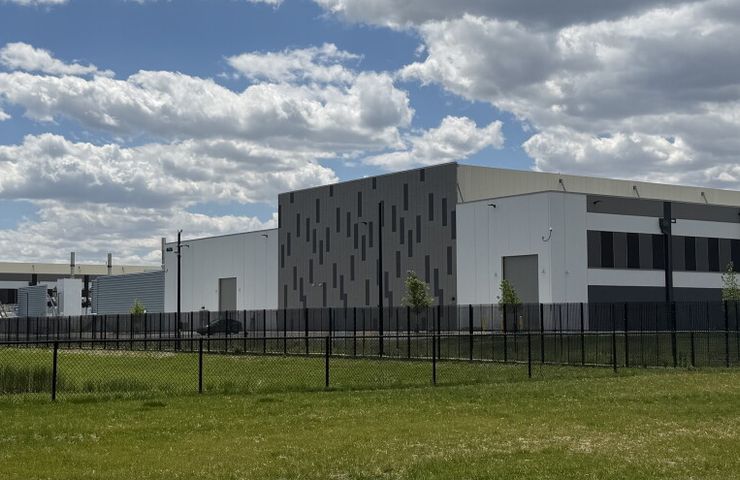
Hydrogen fuel cell news: Microsoft and Plug Power test 3 MW backup system for hydrogen data centers
Plug Power and Microsoft tested a 3 MW hydrogen fuel cell backup prototype that matched diesel performance in simulated data center outages, emitting only water and heat at the point of use.
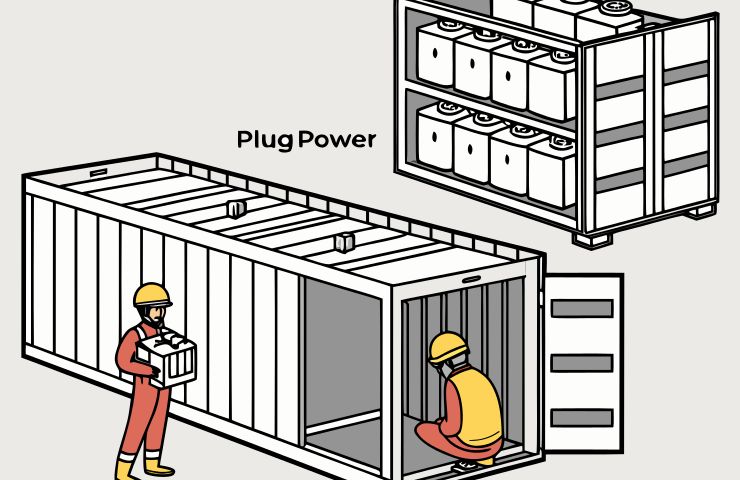
Keeping data centers up and running is crucial because every single app, transaction, and AI operation relies on constant power. For years, diesel generators were the go-to backup solution, but those come with a hefty environmental cost—lots of CO₂ emissions and other pollutants, which are at odds with our sustainability goals. Enter the exciting pilot project from Plug Power and Microsoft. They're trialing a slick 3 MW hydrogen fuel cell system as a direct replacement for those old diesel generators. This setup, located in two 40-foot containers at Plug Power's facility in Latham, is designed to match the performance and response times of traditional diesel generators under real-world outage scenarios. It's a big step in the world of clean hydrogen news, and it might just change how we keep our cloud services secure.
Can hydrogen fuel cells replace diesel generators in data centers?
Diesel generators have been the reliable workhorse for backup power, but they bring along greenhouse gas emissions and particulate pollution. In contrast, hydrogen fuel cells are much cleaner. They work by converting hydrogen and oxygen into electricity through an electrochemical reaction, producing nothing but water and some heat if the hydrogen is low-carbon. The real question here is whether these fuel cells can hold up to the rigorous reliability, quality, and quick start-up times that data centers need. In their latest test, the PEM fuel cells fired up within seconds of a grid drop and could sustain a full simulated load—those performance metrics could lead to a zero-emission alternative we so desperately need.
Inside the 3 MW fuel cell prototype
This demo shines with its containerized array of Proton Exchange Membrane (PEM) fuel cells, specifically designed for stationary applications. Here are some key features:
This arrangement gives engineers the chance to verify ramp rates, power stability, and safety protocols without the complexities of a live data center setting. Pretty neat, right?
Breaking down the PEM fuel cell chemistry
So, how do these PEM fuel cells actually work? Here's the scoop: Hydrogen gas flows into the anode, where a catalyst does its thing, splitting the hydrogen into protons and electrons. The protons navigate through a solid polymer membrane, while the electrons follow an external circuit to generate electricity. Over at the cathode, oxygen from the air teams up with the returning electrons and protons to create water. Because of this electrochemical setup, combustion is off the table, which means no nitrogen oxides or particulates are emitted—and that’s vital for backup power in critical data centers.
Who’s behind the pilot?
Plug Power is a major player in hydrogen fuel cell systems, making waves from their beginnings in material handling to becoming a full hydrogen ecosystem provider. Under the leadership of Andy Marsh, who recently stepped into the chairman role after nearly 20 years as CEO, Plug Power has expanded its offerings to include electrolyzers, storage solutions, liquefaction, and fueling infrastructure.
Microsoft, on the other hand, operates one of the largest hyperscale data center networks in the world and is eyeing the goal of scrapping diesel altogether from their backup systems. With their data center research team, which has run a 250 kW fuel cell for a solid 48 hours, they played a crucial role in shaping the performance standards and testing protocols for this 3 MW demo. This project marks Microsoft’s most significant venture into hydrogen yet and highlights its commitment to clean hydrogen news within the cloud sector.
From niche uses to data center scale
Fuel cells have powered small telecom sites and off-grid setups for quite some time, but larger-scale deployments have been rare. Plug Power's success in forklifts, warehouse vehicles, and on-road applications has given them the expertise and manufacturing scale to pull this off. Taking that knowledge and cramming it into two shipping containers packed with PEM modules is a significant leap—from proving the concept to almost being ready for commercial use in high-demand stationary markets.
Why it matters
This pilot project directly tackles the urgent need for sustainable and dependable backup power in eco-friendly data centers. Here’s what’s at stake:
Of course, we can’t ignore the financial elephant in the room. Right now, the cost per kilowatt-hour for hydrogen setups is still higher than that of diesel, mainly due to the price of fuel cell hardware and hydrogen production. However, there are some positive developments on the horizon—things like low-carbon fuel credits and new safety codes for hydrogen installations are making the landscape a little friendlier.
Policy and economic backdrop
While it's vital to assess technical feasibility, the economics and regulatory landscape will ultimately dictate when hydrogen backup power transitions from pilot projects to real-world applications. Early prototypes come with hefty capital costs and high fuel prices compared to established diesel generators, making total cost of ownership a hot topic. Still, government initiatives like tax credits for clean hydrogen investments and low-carbon fuel standards are beginning to narrow that gap. Plus, companies are looking into clean hydrogen offtake agreements to help secure volumes and fund projects. The development of safety codes and regulations for hydrogen storage and distribution is also in the works, and data from large-scale tests will help shape these standards. All of these elements could speed up the rollout of hydrogen infrastructure for critical power needs.
Growing demand for zero-carbon resilience
As data center capacity continues to balloon, thanks largely to AI, streaming, and cloud services, operators are facing tighter sustainability requirements and grid limitations, making backup alternatives all the more appealing. Battery UPS systems can handle brief outages, while diesel generators are best for longer durations. Hydrogen fuel cells fill the gap, delivering zero-emission backup power at a megawatt scale while offering rapid response times and cleaner operation.
What’s next for hydrogen backup power?
The road ahead involves validating these systems in live data center environments, integrating renewable-based electrolyzers for green hydrogen supply, and fine-tuning cost structures. Collaboration among tech vendors, utilities, and regulators will be crucial for establishing safety standards and economical frameworks that bolster hydrogen infrastructure. Success in this venture could not only lead to cleaner data centers but also enhance backup power reliability across hospitals, telecom hubs, and critical facilities worldwide.
In the end, this groundbreaking 3 MW test underscores the potential of hydrogen as a scalable, clean backup power source. With ongoing innovation and smart partnerships, fuel cells could soon become a mainstay alongside batteries and generators, helping to keep our digital world running smoothly—without a drop of fossil fuel being burned.