Hyundai’s XCIENT truck and wearable robotics debut at Le Mans
Hyundai Motor Group used the XCIENT Fuel Cell truck, X-ble Shoulder exoskeletons and Genesis Box Buggy at Le Mans to showcase hydrogen logistics and advanced robotics.
When you hear “Le Mans,” it’s hard not to picture roaring engines and those beautiful, aerodynamic cars zipping around the track. But in 2026, something exciting happened behind the scenes. Hyundai Motor Group turned the Circuit de la Sarthe service areas into a testing ground for zero-emission trucks, cool wearable robotics, and next-gen electric vehicle platforms. They had one straightforward goal: support Genesis Magma Racing in its Hypercar debut, while also proving that hydrogen and robotics can hold their own under the intense pressure of endurance racing.
Le Mans has a rich history of sparking innovation—think disc brakes in the '50s, turbocharging in the '70s, and hybrid prototypes we've seen in the last decade. This year's event continued that tradition by bringing hydrogen logistics and industrial exoskeletons into the mix. It’s a smart move that shows how motorsport can really lead the charge in making industries greener and workplaces safer.
Company and Motorsport Context
For Hyundai, showcasing its technology at Le Mans follows a two-pronged strategy: building technology and brand reputation. With Genesis Magma Racing, Hyundai's luxury division, stepping into the Hypercar class for the first time, they aimed to link high-performance credentials with their innovative hydrogen and robotics lineup. Getting involved in motorsport is part of a bigger plan to prove that their tech is ready for the real world and to create partnerships that span across sectors—from energy providers to automation experts.
Hydrogen Logistics in High Gear
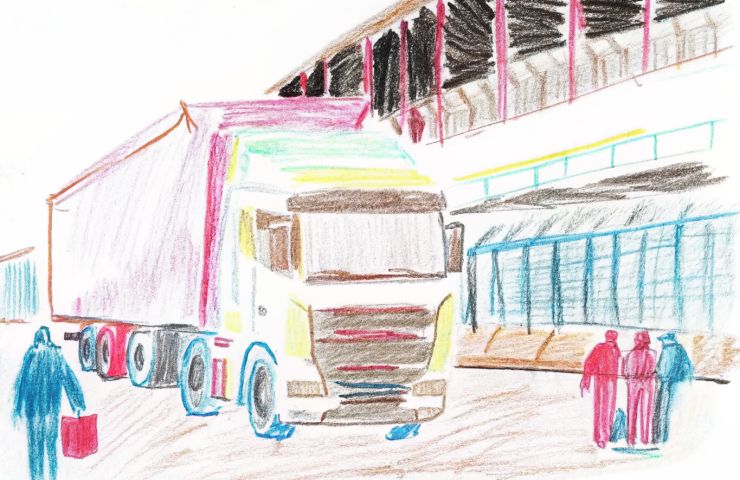
At the heart of Hyundai’s initiative was the XCIENT Fuel Cell heavy-duty truck, which holds the title of the world’s first mass-produced hydrogen fuel cell freight vehicle. During the race weekend, this truck played a crucial role, hauling spare parts, tires, and necessary gear for the Genesis Magma Racing team. They’ve got a fleet of 175 XCIENT trucks in Europe, racking up over 21.8 million kilometers across five countries, including some of the earliest deployments in Switzerland.
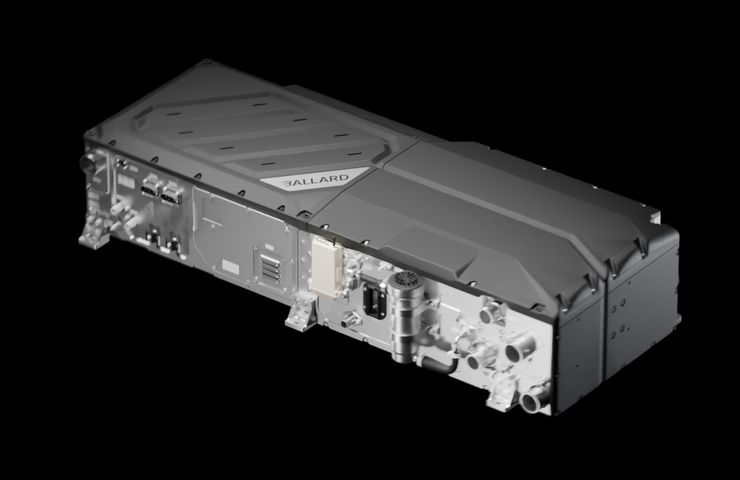
This truck operates smoothly thanks to its fuel cell powertrain, mixing compressed hydrogen from local refueling stations with ambient oxygen to generate electricity. That power drives an electric motor through a high-voltage inverter, while an onboard battery helps regulate power during acceleration and captures energy during braking. Here are some highlights from the weekend:
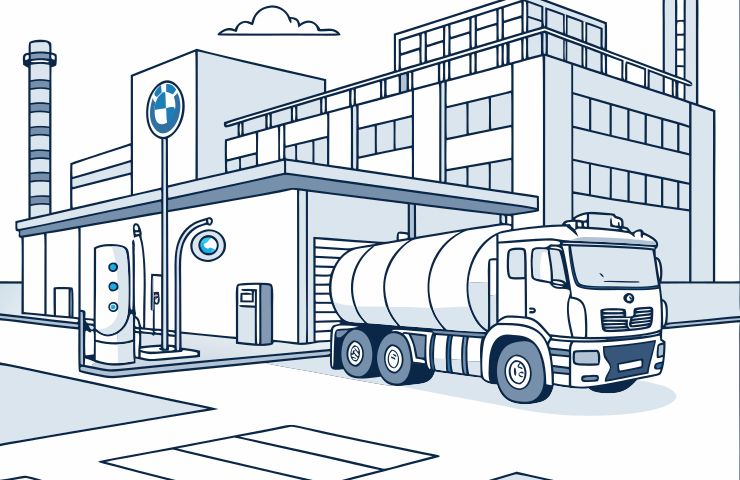
Transporting hydrogen to Le Mans required some serious coordination with local refueling partners. They set up mobile refueling units right on-site, guaranteeing a steady supply of compressed gas. While many European circuits are still building out permanent infrastructure, this flexible solution highlights the necessity for both mobile and fixed options to support high-demand operations.
This deployment tackled a couple of big hurdles for day-to-day hydrogen truck use: it proved that hydrogen trucks can handle heavy-duty cycles and that the refueling infrastructure can keep pace with the requirements of large events. By making the logistics process a showcase for hydrogen technology, Hyundai highlighted how these vehicles could revolutionize freight for urban deliveries, ports, and major events.
Exoskeletons Step In
Meanwhile, in the bustling pit lane, Hyundai’s Robotics Lab rolled out the X-ble Shoulder, a wearable upper body exoskeleton designed to help crew members lift heavy things with less fatigue. They wore these devices while handling tires and other heavy gear, using mechanical linkages and passive support springs to alleviate strain on their shoulders. Internal testing showed:
By taking these exoskeletons from carefully controlled factory settings to the fast-paced environment of a live racing pit, Hyundai was able to test their durability, usability, and safety in one of the most time-sensitive atmospheres in the world.
Zero-Emission Micro-Mobility
In the paddock, Hyundai Mobis showcased its e-Corner steer-by-wire platform with the Genesis Box Buggy Concept. Each wheel is equipped with its own electric motor, steering actuator, and brake system. This setup allows for incredible maneuverability, letting the buggy slide into tight spots or even spin 360 degrees. During Le Mans, it zipped around quietly and emission-free, shuttling VIPs and staff through the crowded areas. Beyond the excitement of the event, this concept hints at future possibilities in:
Business and Brand Strategy
Hyundai’s efforts at Le Mans also serve a bigger business goal. By linking their hydrogen and robotics advancements to the glamorous world of motorsports, they’re boosting their brand image and engaging key stakeholders. Energy companies, fleet managers, and event organizers get a firsthand look at these technologies in action, paving the way for conversations about clean hydrogen agreements and robotics integration services.
Organizations like Hydrogen Europe have pointed to this innovative support showcase as a model for collaboration between industries. Partnerships like these are crucial for developing the refueling network, training people on using exoskeletons, and customizing steer-by-wire platforms for various transportation needs.
Racing Meets Industrial Decarbonisation
Bringing together hydrogen trucks, wearable exoskeletons, and steer-by-wire EVs at a single event really underscores how these technologies can work together. Motorsport’s global audience draws the interest of:
Real-life demonstrations like this change the narrative around hydrogen tech, shifting it from the realm of prototypes to something that’s practical and available, reinforcing the business case for investing in hydrogen production, storage, and distribution dynamics along key transportation routes.
Next Milestones in Hydrogen and Robotics
Looking ahead, Hyundai plans to take these demonstrations to other major events—think international airshows, logistics hubs at seaports, and mass transit centers—to validate their tech across different sectors. At the same time, the Robotics Lab is gearing up to develop lower-body exoskeletons and explore AI-enhanced controls to boost adoption in manufacturing and warehousing. Plus, partners are eyeing permanent hydrogen stations along major European freight routes, aiming to make around-the-clock, zero-emission trucking a real possibility by the end of the decade.
Looking Ahead
Le Mans has shown us that hydrogen logistics and human-support robotics can function flawlessly in some of the most demanding environments imaginable. As we keep an eye on hydrogen infrastructure growth, fuel cell vehicle rollouts, and advancements in industrial robotics, this event has set a new standard: integrating clean energy and advanced human support systems into the fast-paced world of high-stakes operations. We might still be in the early stages of widespread adoption, but things are certainly moving faster now.