Hydrogen Fuel Cell News: BMW Prepares iX5 Hydrogen SUV for Series Production with Flat Storage Concept
BMW is gearing up the iX5 Hydrogen SUV for series production at its Steyr plant, pairing a third-gen fuel cell with a flat storage pack for fast, interior-friendly hydrogen refueling.
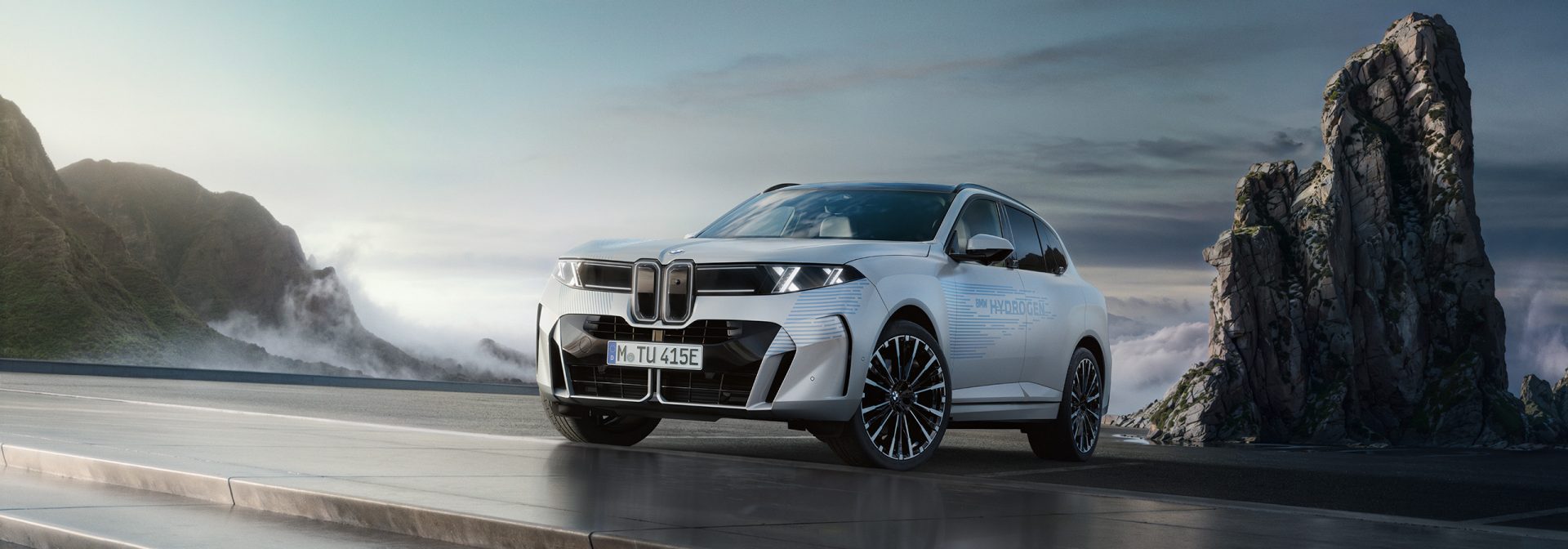
BMW is taking some big steps forward with its hydrogen fuel cell program, getting ready to kick off series production of the iX5 Hydrogen SUV at its Steyr facility in Upper Austria. This move is part of a broader strategy that embraces all kinds of drivetrains—from gasoline to diesel, and plug-in hybrids to battery-electric and hydrogen. The iX5 is a leap forward, shifting hydrogen from small pilot fleets into full-on industrial production. It's fitted with a cutting-edge, third-generation fuel cell system that boasts a sleek storage setup, holding about seven kilograms of hydrogen and allowing you to refuel in under five minutes. Pretty impressive, right?
Technical Highlights
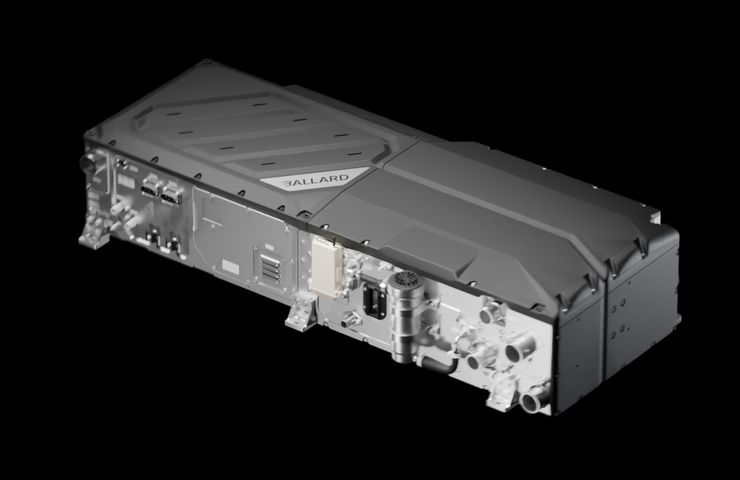
At the core of the iX5 Hydrogen is a compact, third-generation fuel cell technology that BMW developed with Toyota Motor Corporation. This nifty fuel cell stack converts pressurized hydrogen into electricity, providing power to an electric motor and helping a smaller high-voltage battery handle peak performance needs. You get that same zero-emissions driving experience as a battery-electric vehicle, but with refill times that can keep up with conventional internal combustion engines (ICE).
Flat Storage Concept in Detail
The hydrogen storage system is a clever innovation. BMW has arranged several carbon-fiber reinforced composite tanks in a flat module that fits right under the car. This setup allows for around seven kilograms of hydrogen while keeping the passenger and cargo areas intact. Engineers jokingly refer to it as “installation Tetris,” showing off their skills in fitting the hydrogen system into a standard X5 layout without losing space. This advancement tackles a common issue seen with earlier fuel-cell designs that often compromised interior room for tank placement.
Pilot Phase to Production
After wrapping up tests with a global pilot fleet, BMW is shifting from the validation phase to gearing up for series production. This shift signifies a major milestone: hydrogen is moving from the lab and limited trials into everyday manufacturing. The Steyr plant is reconfiguring workflows, quality checks, and supply chains to meet BMW's high-volume standards, moving away from one-off concept builds.
Strategic Partnership Strengthens Roadmap
The partnership between BMW and Toyota dates back to a 2011 agreement, which has laid the groundwork for their joint fuel cell development. They describe this third-generation fuel cell as leaner, more efficient, and simpler to integrate into existing models. Their collaboration isn’t just about the stack; it extends to support for hydrogen infrastructure and a synchronized approach to their development plans. By pooling their resources in research and development, they're aiming to bring down costs—something that’s crucial for making hydrogen vehicles a more common sight on our roads.
Manufacturing Preparation at Steyr
The Steyr plant has a rich history of producing drivetrains, and that experience is being put to work for the iX5 Hydrogen program. BMW is upgrading assembly lines with specialized workstations for hydrogen, creating crash-tested tank assembly zones, and setting up cells for high-volume fuel-cell module installation. They’re also retraining their workforce to handle the unique safety protocols required for high-pressure hydrogen. Instead of creating a separate pilot line, BMW is weaving hydrogen processes into its existing X5 assembly workflow.
Market and Infrastructure Implications
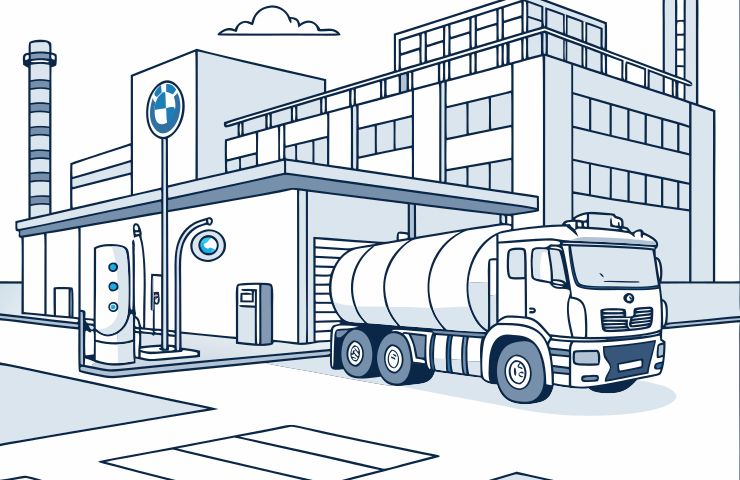
While the electric variants of the X5 benefit from expanding fast-charging networks, the overall hydrogen infrastructure is still in its infancy. BMW’s move to series production could signal to fuel suppliers, station operators, and policymakers that the demand for premium hydrogen-powered vehicles is on the horizon. To keep up with consumer expectations for quick refueling and availability, we’ll need to see a rush in building hydrogen stations and scaling up green hydrogen production through processes like electrolysis.
Positioning and Outlook
The iX5 Hydrogen is carving out its space in the market by focusing on fast refueling and long-range capabilities—attributes that are huge for customers like commercial fleets or luxury buyers who can’t afford long downtimes. Still, the overall cost of ownership will hinge on hydrogen pricing, how scalable fuel-cell manufacturing becomes, and advances in electrolysis capacity. BMW’s flexible approach minimizes risks: if hydrogen vehicles take off, they’ll be ready to ramp up; if not, they still have their plug-in and battery options to fall back on.
This push for series production is going to be a real litmus test for hydrogen's role in everyday passenger cars. If it works out, we might just see hydrogen recognized as a viable counterpart to battery electrification in premium segments; if it flounders, that could strengthen the belief that battery tech will rule the mass market for a while to come.
About BMW Group: BMW Group is a leading global player in the auto industry and mobility services, committed to a technology-open strategy that incorporates a variety of low-emission powertrains.