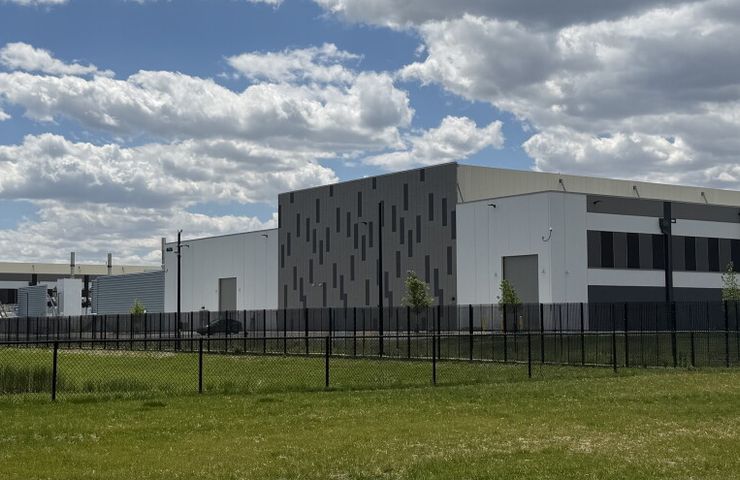
Bloom Energy Expands Hydrogen-Ready Fuel Cell Microgrid at MiTAC’s Fremont AI Campus
Bloom Energy expands its hydrogen-ready solid oxide fuel cell microgrid for MiTAC’s Fremont AI server campus, securing resilient power for AI manufacturing.
Fuel cells are really stepping into the spotlight, moving from being just backup power sources to essential players in industries that can't afford downtime. Bloom Energy has intensified its partnership with MiTAC Computing Technology Corp., rolling out its hydrogen-ready solid oxide fuel cell platform at MiTAC’s AI server manufacturing site in Fremont, California. This follows their earlier setup at MiTAC’s location in San Jose, bumping up the local power generation capacity to support the growing energy demands of AI server production.
Fremont's not just any city; it’s the heart of the East Bay's electronics and semiconductor scene. It’s prized for its strong transport links and a skilled workforce. MiTAC has set up a facility focusing on assembling high-performance server racks specifically designed for generative AI workloads. These pieces of tech can need a hefty amount of power in bursts, so having dependable, local energy is crucial to keep pace in the competitive AI market.
From Grid Woes to Onsite Power
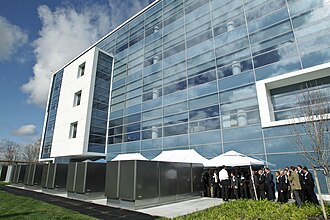
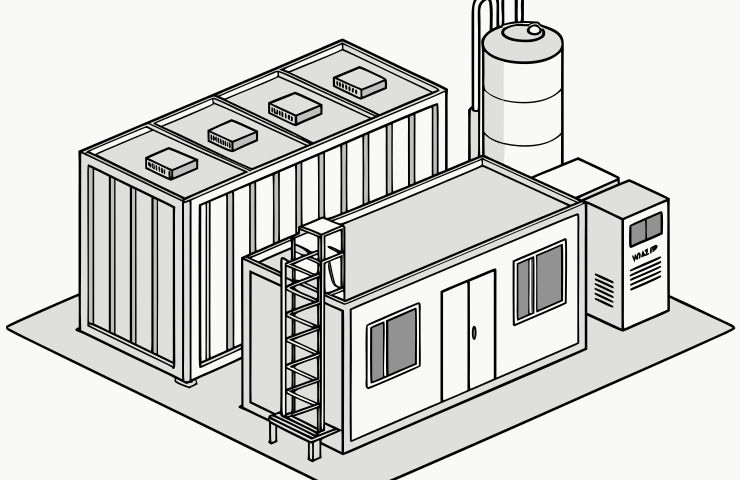
We all know how traditional utility upgrades can get tangled in all sorts of delays—think permitting reviews, capacity limits, and community noise complaints. Diesel generators often come to the rescue, but they have their own set of challenges, especially in areas with strict air-quality rules. That’s where Bloom comes in with a nifty solution: they provide modular Energy Server containers that fit right into the existing power setup. Their smart control software ensures a smooth switch between being connected to the grid and running independently, which means power keeps flowing to production lines, cooling systems, and ventilation fans, even if there’s a blackout.
By sidestepping the need for extensive digging and utility updates, MiTAC can ramp up production and meet the skyrocketing demand for AI hardware without missing a beat.
How Solid Oxide Fuel Cells Operate
The magic lies in solid oxide fuel cells (SOFCs), which are ceramic devices that function at high temperatures—usually above 700 °C. They turn fuel into electricity through an electrochemical reaction. Here’s how it works: oxygen ions move through a dense oxide electrolyte to oxidize the incoming fuel without any combustion. Plus, the heat generated can be reused through combined heat and power (CHP) systems, boosting efficiency to over 60-65 percent. A neat feature of SOFCs is that they can reform hydrocarbon fuels internally, eliminating the need for separate reformers and keeping things simpler.
While natural gas and biogas are standard fuel sources, Bloom’s platform is also hydrogen ready. When it uses pure hydrogen, the only thing that comes out is water vapor, leading to zero carbon emissions at the point of use. This capability connects nicely with the growing hydrogen infrastructure, making future integration with electrolyzers and large-scale hydrogen storage a possibility for fully renewable microgrids.
Gaining an Edge in AI Infrastructure
In the fiercely competitive AI hardware manufacturing arena, keeping everything up and running is key. By bringing power generation right to their facilities, MiTAC dodges issues like grid outages, fluctuating prices, and red tape. The setup of the microgrid being close to the server racks significantly cuts down on energy losses and provides a stable voltage—both vital for the precise assembly and testing of GPUs, CPUs, and memory modules.
This collaboration comes on the heels of Bloom’s partnerships with big names like Brookfield and Oracle, where their multi-megawatt SOFC systems are powering green data centers. These deals highlight how hydrogen fuel cell technology can be the backbone for solutions that are behind-the-meter, making waves in the hydrogen news scene and solidifying Bloom’s reputation as a leader in the push for industrial decarbonization.
Boosting Distributed Power Models
Bloom Energy's microgrid model really showcases a big trend toward distributed generation. As AI and green data centers pop up everywhere, utilities are struggling to keep up with the demand for quick interconnections. Battery energy storage has its perks for short bursts of power, but issues like lifecycle limits and self-discharge can really hinder performance. On the flip side, SOFC systems can run non-stop for thousands of hours with very little drop in efficiency. They’re also designed to allow for hot-swapping of modules, which means maintenance can happen without causing downtime.
Policy, Incentives, and Environmental Considerations
Deploying fuel cells behind the meter involves navigating a tricky policy landscape. California's Self-Generation Incentive Program (SGIP) has historically helped support stationary fuel cells, but there’s talk about changing the program and its funding. Getting ahead of potential funding cuts can help secure cost savings. Meanwhile, local air-quality regulators are taking a close look at any onsite combustion alternatives. Bloom asserts that SOFCs produce lower NOₓ and particulate emissions compared to diesel generators and that using green hydrogen or biogas is in line with state decarbonization efforts.
Fuel Cells vs. Battery Systems
If you’re curious about “how do hydrogen fuel cells work?”—the answer brings up some fundamental differences compared to batteries. Fuel cells provide a steady stream of dispatchable power as long as there’s fuel, while batteries need to be recharged and can wear out over time. For those lengthy AI production runs, having consistent baseload power and the ability to ramp up quickly makes SOFC microgrids a fantastic complement to battery systems. Plus, when you add onsite hydrogen storage, you’re looking at a fully decarbonized, grid-independent energy solution.
Looking to the Future
MiTAC’s microgrid in Fremont is a glimpse into a future where hydrogen production methods, storage solutions, and fuel cell systems come together to energize advanced manufacturing and data center operations. As policy frameworks evolve and renewable hydrogen becomes more accessible, we could see a real uptick in hybrid energy setups that combine solar, batteries, and SOFCs. For companies aiming for zero-emission goals, onsite hydrogen-ready fuel cells will be essential to building resilient strategies.
About Bloom Energy
Bloom Energy is a top-tier provider of onsite power generation and microgrid solutions based in the United States. Their modular Energy Server platform uses solid oxide fuel cell technology to deliver dependable, low-carbon electricity for data centers, industrial clients, and manufacturing facilities.