Hydrogen Data Centers: Equinix and ESB Kick Off Dublin Backup Power Trial
Equinix and ESB are trialing hydrogen generators at a Dublin data center to replace diesel backup, testing reliability, safety and low-carbon credentials for future hydrogen infrastructure.
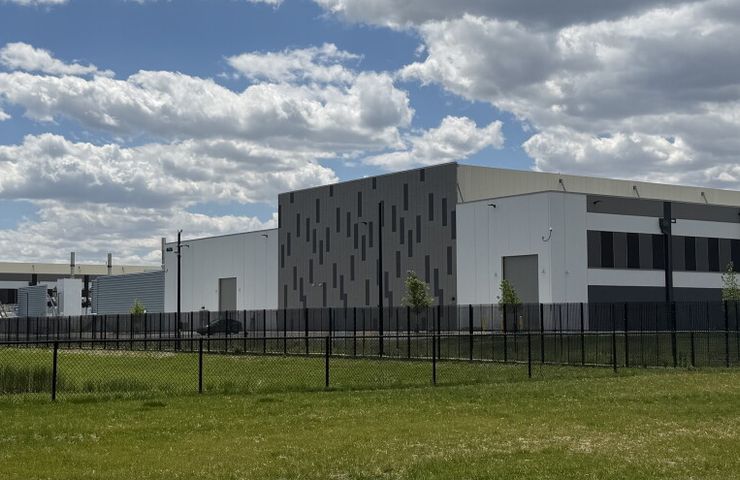
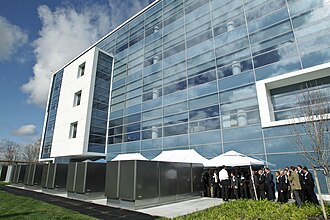
In a bold move towards greener energy, Equinix has teamed up with ESB, Ireland's state utility, to kick off a pilot program testing hydrogen backup power at one of Equinix's data centers in Dublin. The goal? To see if they can replace or at least supplement traditional diesel generators with low-carbon hydrogen-fueled options. This initiative is all about improving resilience while slashing emissions at one of Europe’s busiest clusters of hydrogen data centers.
Project Overview
This exciting pilot is happening at an active colocation facility managed by Equinix in the Dublin area. The plan is to integrate hydrogen generators into the existing backup systems, which include switchgear, uninterruptible power supplies, and various control systems. ESB will supply or even help develop the hydrogen fuel and will manage the generation equipment. While the technical details are under wraps for now, the focus is on evaluating how well the hydrogen generators perform, how responsive they are, and their overall safety during real-world grid disturbances.
Technical Concept
So, how does it work? Hydrogen-fueled generators operate in a way similar to diesel sets by igniting hydrogen mixed with air to drive an alternator. Alternatively, there are fuel cells that convert hydrogen into electricity and water through electrochemical reactions. These fuel cells tend to be more efficient and produce fewer nitrogen oxide emissions. Either way, hydrogen—whether in gas or liquid form—is stored and piped to the unit as needed, ensuring it can kick in automatically within seconds to keep IT operations running smoothly.
Safety and Integration
Using hydrogen safely is a big deal, and that’s why they’re setting up switchgear, leak detectors, and ventilation systems to keep everything running smoothly. The project incorporates explosion-proof equipment where necessary and follows strict separation distances as recommended by safety standards. Control software will also keep a watchful eye on gas pressures, flows, and inventory levels. This kind of integration in a mission-critical environment serves as a test case for what it takes to bring hydrogen infrastructure into sensitive setups more broadly.
Role of ESB
ESB isn’t new to the game; they bring years of experience in power systems to this hydrogen venture. They've poured resources into enhancing wind, solar, and electrolysis research to align with their net-zero strategy. In this pilot, they’ll be working on the logistics for fuel supply—probably using road tankers—and configuring on-site storage to ensure the backup power is reliable, all without upsetting local grid operations. Leveraging their renewable generation experience, ESB is digging into how to source low-carbon hydrogen efficiently.
Equinix Sustainability Drive
Equinix has long been on a mission to power its global operations with 100% renewable energy while targeting science-based emissions cuts. This trial fits perfectly into their plan to phase out diesel and ramp up alternative backup power sources. If this pilot proves successful, it could really solidify Equinix’s place as a frontrunner in green data centers and influence the green choices of enterprise customers focused on sustainability.
Dublin as a Data Center Hub
Dublin has quickly become one of Europe’s data center hotspots, thanks in large part to foreign investment and favorable tax policies. However, with such rapid growth comes challenges: the regional grid is under pressure, and air quality concerns are rising due to frequent generator tests. To address this, Irish regulators are putting the brakes on new connections and encouraging operators to explore low-carbon resilience solutions, making the Dublin pilot a significant one within the national energy and ICT discussions.
From Diesel to Hydrogen
For years, diesel generators have been the go-to for data centers because they’re reliable, start quickly, and pack a powerful punch. But, with increasing scrutiny on their lifecycle emissions and particulates in densely packed areas, the spotlight is shifting. Alternatives like battery storage and gas turbines are gaining traction, but hydrogen is stepping up as a scalable low-carbon candidate that could meet the demanding uptime needs of critical operations.
Hydrogen in Stationary Power
Hydrogen's potential isn't just limited to backup; it can also play a role in peak shaving and grid balancing. Around the world, fuel cells and combustion units are being piloted for varying applications, from telecom towers to hospital emergency systems. Dublin's initiative is joining a growing list of trials across Europe, testing whether hydrogen can meet the performance, safety, and cost needs to replace fossil fuels in vital infrastructure.
Infrastructure Prerequisites
Rolling out hydrogen backup power depends heavily on having a solid hydrogen infrastructure, including production, transport, and storage solutions. Right now, most pilots are bringing in fuel via truck deliveries to on-site tanks sized for the outage duration. Looking ahead, though, the dream is to connect generators directly to local electrolyzers powered by renewables, creating integrated micro-grids with green hydrogen production and consumption. Building out these networks could also provide flexibility services for local grids while boosting energy security during peak demand times or grid emergencies.
Environmental Impact
When paired with low-carbon hydrogen, these generators help drastically cut CO2 and NOx emissions compared to diesel. Just how green the solution is will depend on how the hydrogen is produced: green hydrogen sourced from renewables offers the biggest benefits, while grey or blue hydrogen can yield mixed results. For now, the pilot is holding off on making specific claims about emission reductions until they can confirm their fuel sources, sticking to a transparent approach that stakeholders are increasingly calling for.
Business and Market Dynamics
From a business perspective, hydrogen backup solutions could open up new revenue opportunities for utilities and equipment manufacturers, driving demand for fuel supply contracts and generator upgrades. Colocation providers might use their green resilience features to attract ESG-minded clients and justify higher prices. That said, the economics will be sensitive to hydrogen prices, capital costs for new equipment, and maintenance, especially compared to maturing battery energy storage options and existing diesel fleets.
Regulatory Implications
Regulators in Ireland and beyond are keeping a close eye on how data centers use energy in light of climate goals and grid reliability concerns. Demonstrating success with hydrogen resilience might shape future permitting rules, connection fees, or incentives for low-carbon backup systems. On the flip side, any unanticipated risks, like safety issues or high costs, could lead to stricter controls on gas storage or force operators to build in additional redundancies, impacting the regulatory landscape for hydrogen project financing and site approvals.
Scaling and Lessons Learned
To assess the pilot’s success, they'll look at metrics like reliability, safety, and cost-effectiveness. Equinix and ESB will evaluate start-up times, operation durations, maintenance schedules, and how well everything integrates with uninterruptible power supplies. The insights gained will play a crucial role in determining how they can expand hydrogen backup solutions from this single-site test to a network-wide implementation, while also guiding the best practices for design, operation, and regulatory interactions.
Comparative Projects
There have been similar pilots testing hydrogen for backup power in telecom and industrial settings, but few have integrated into high-demand data center environments as this one aims to do. What makes this Dublin trial especially interesting is the collaboration between a global digital infrastructure provider and a national utility, potentially setting the stage for a replicable model for hydrogen storage and generator systems in critical operations.
Looking Ahead
As we move further into the energy transition, data centers are feeling increasing pressure to go beyond just relying on grid electricity for their power needs. Backup power is a key area for improvement. If the Equinix–ESB trial proves that hydrogen can deliver reliable performance and safety at a reasonable cost, it could pave the way for wider adoption, supporting the setup of local electrolyzers and hydrogen refueling infrastructure across various sectors.
The outcomes of this trial will be important not just for hydrogen advocates, but also for data center leaders and regulators. A successful pilot could ignite further innovation in low-carbon resilience, enhancing the role of green hydrogen production in bolstering crucial infrastructure. Regardless of the outcome, this initiative in Dublin serves as a transparent case study on how hydrogen stands to integrate within our digital and energy systems amid the shift to net-zero.