HyCoFlex Project Achieves Milestone in Hydrogen-Powered Cogeneration
The HyCoFlex project successfully demonstrated a hydrogen-powered cogeneration system at Smurfit Westrock, showcasing the potential for integrating renewable hydrogen into industrial processes.
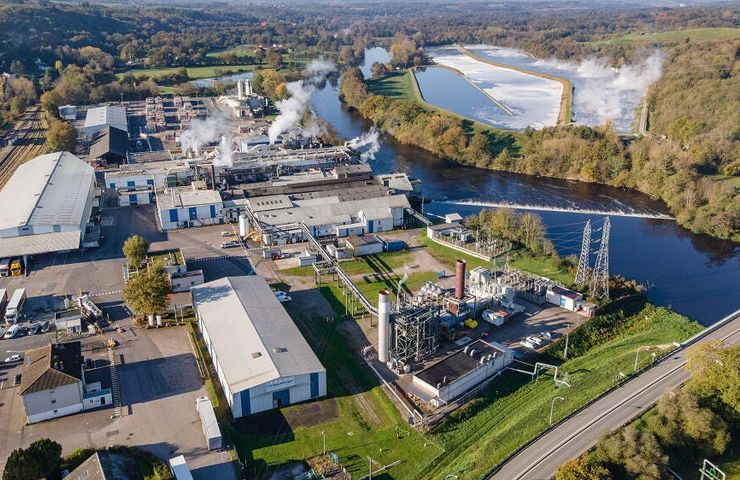
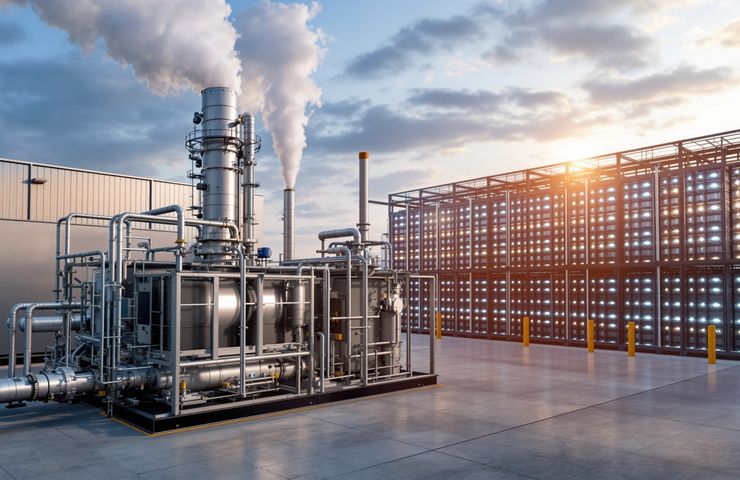
This November, 2026, Siemens Energy and its partners have successfully completed a demonstration campaign of a hydrogen-capable industrial cogeneration system at the Smurfit Westrock paper mill in Saillat-sur-Vienne, France. The initiative, known as HyCoFlex, tested a combined heat and power arrangement configured to use renewable hydrogen to supply both electricity and industrial process steam.
The campaign followed earlier hydrogen-gas-turbine demonstrations at the same site that concentrated chiefly on power generation. This round took a different tack. It focused on whether hydrogen combustion can meet the operational demands of an industrial cogeneration plant — from ignition and start-up to grid synchronization, through full-load operation and load reduction, and finally to shutdown.
Project Overview and Objectives
HyCoFlex is part of the European Union's Horizon Europe initiative and aims to develop a retrofit package for industrial CHP plants that can accommodate hydrogen-rich fuels. The core technology employed is the Siemens Energy SGT-400 gas turbine, which was augmented to operate with hydrogen. According to reports from Siemens Energy, this integrated system can generate electrical capacity and thermal output.
The project consortium includes prominent partners such as ENGIE, and Equinor ASA, which provide expertise in hydrogen demonstrations. The contributions to combustion testing and techno-economic assessments are reported by the sources. Together, the partners set out to prove a practical pathway for adapting existing cogeneration assets to hydrogen-based operation rather than replacing them entirely.
That retrofit focus is deliberate. Many industrial sites need not only electricity but also high-temperature steam for process heat. Simply swapping grid electricity for low-carbon power would leave the emissions associated with process heat untouched. HyCoFlex therefore aimed to address that gap by demonstrating how hydrogen can serve both functions in a single integrated plant.
Significance of the Demonstration
The demonstration notably operated using renewable hydrogen during testing, a milestone in efforts to reduce industrial carbon footprints. The results are expected to inform future industrial applications of hydrogen combustion and to map out technical and operational limits. For facilities in sectors such as paper, chemicals and food production — which commonly require both power and process heating — the project offers a case study in how hydrogen might be deployed on-site.
Retrofitting existing cogeneration assets could be more feasible than building entirely new systems. That was one of the underlying premises of HyCoFlex: to test whether hydrogen compatibility can be integrated into current infrastructure, control systems and operational routines without prohibitive disruption. The demonstration sought to reveal what adaptations are needed and where further engineering work will be required.
Technical Aspects and Innovations
The integration of high-hydrogen dry low-emissions combustion technology in the SGT-400 turbine plays a crucial role in the project's success. This combustion system is designed to effectively burn hydrogen, limiting nitrogen oxide emissions without relying primarily on water or steam injection for emissions control. Tests covered a range of hydrogen-natural-gas blends and exercised the full operational cycle — from ignition through to shutdown — to evaluate performance under realistic industrial conditions.
Engineers monitored how the turbine handled transitions in load and fuel composition. They examined start-up characteristics, the stability of combustion under varying hydrogen fractions, and the dynamics of synchronizing with the grid. These operational envelopes are central to validating whether a retrofitted CHP unit can reliably supply both steady process steam and grid-quality electricity.
Challenges and Future Considerations
Despite the encouraging results, the demonstration does not unequivocally establish that hydrogen CHP is commercially competitive across all markets. Cost and availability of renewable hydrogen remain crucial variables. Maintenance needs, equipment lifetime, safety approvals and regulatory frameworks will also shape feasibility for wider deployment. Moreover, the project's funding structure, which includes total costs verified by sources, underscores the role public investment has played in bringing the demonstration to fruition.
Replication pathways are under particular scrutiny. Policymakers and stakeholders want to understand how the combustion technology tested here could be scaled or adapted in other industrial settings. They are asking what retrofit steps are transferable, what site-specific constraints will limit adoption, and which regulatory hurdles must be addressed before hydrogen combustion becomes a routine choice for process heat and power.
Operational reliability is another area for continued attention. The demonstration provided data on one turbine model at one site. Translating those findings into broader commercial practice will require further demonstrations, longer-term operation to assess wear and maintenance cycles, and clear safety and certification processes for hydrogen use in industrial environments.
As the project continues to evolve through April 30, 2027, it may provide valuable insights and data for broader deployment and acceptance of hydrogen fuel solutions. The remaining phase of work is expected to expand the dataset and refine the techno-economic evaluations that will inform investment and policy decisions.
In summary, while the HyCoFlex project marks a significant achievement in hydrogen-fueled industrial cogeneration, future adoption will depend on addressing numerous logistical, economic, and technical challenges. Continued collaboration among industry partners and research institutions will be essential to advancing the viability of hydrogen as a sustainable energy source.