Hitachi Energy Demonstrates Hydrogen-Fueled Shore Power System at Port of Gothenburg
Hitachi Energy successfully demonstrated a hydrogen-powered shore power system at the Port of Gothenburg, replacing diesel at berth and accelerating port decarbonization.
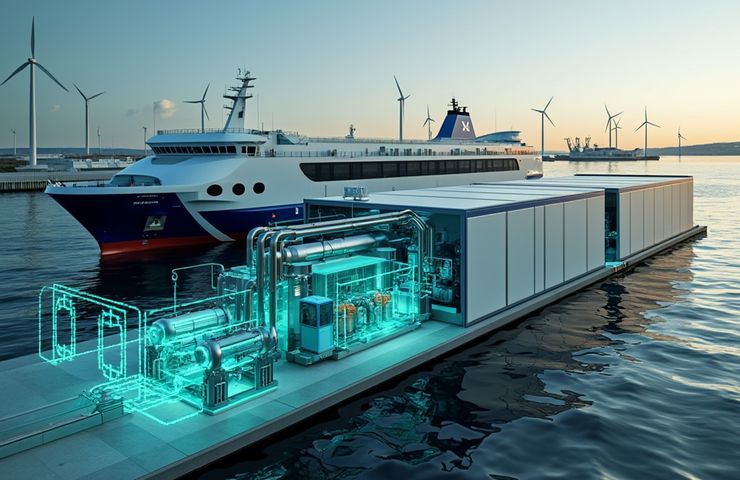
Hitachi Energy is making waves in the push for maritime decarbonization. In May 2025, they wrapped up a groundbreaking two-week demo of their HyFlex hydrogen-powered generator at the Port of Gothenburg in Sweden. What’s exciting? This wasn’t just another tech test—it was the first real-world trial of a completely zero-emission shore power system that blends hydrogen fuel cells with port-side electrification.
Charting a Cleaner Course at Sea
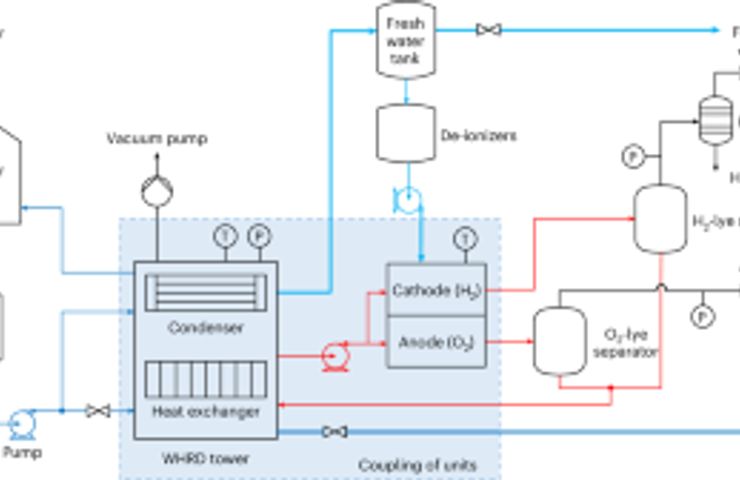
The idea is simple, but powerful: swap out dirty diesel generators on docked vessels for clean hydrogen power. HyFlex does all the heavy lifting using proton-exchange membrane (PEM) fuel cells—pulling in hydrogen and oxygen to create electricity, with nothing but water vapor coming out the other side. It ties directly into the port’s electrical system, all while dodging the limitations of an overextended grid.
This matters more than you might think. According to Hitachi Energy, the system helps major ports cut down on air pollutants like particulate matter and nitrogen oxides, while also slashing carbon emissions. It’s a great fit for the stricter European Union shore power mandates coming into play by 2030.
It Takes a Village—And a Few Heavy Hitters
This pilot didn’t happen in a vacuum. It came together thanks to a strong lineup of partners across the maritime and energy sectors:
- Stena Line lent its ships and shared valuable knowledge from its own green roadmap.
- PowerCell Group brought the hydrogen horsepower with high-efficiency marine fuel cell stacks.
- Linde Gas stepped in with renewable green hydrogen supply and fueling logistics.
- The Port of Gothenburg provided critical local infrastructure and aligned the project with its Climate Neutral Port 2030 plan.
Funding? A solid 40% came from the European Union’s Horizon 2030 Clean Ports Initiative, which shows how well the project lines up with the EU’s climate strategy.
Modular, Adaptable, and Built for Real-World Ports
What makes HyFlex unique isn’t just the clean energy—it’s how easy it is to use. It’s built as a modular, plug-and-play system that can drop into existing port setups without triggering a total grid overhaul. That’s especially useful for remote or northern ports dealing with power constraints. Instead of investing millions in new grid infrastructure, ports can now leapfrog straight into zero-emission technology.
The numbers speak for themselves: early data suggests ships tapping into HyFlex shore power could cut their operational costs by as much as 15–20% compared to traditional diesel setups. That’s not just climate-friendly—it’s business-savvy too.
Why Gothenburg? Why Now?
If you’re going to kick-start a green port revolution, Gothenburg is a smart place to do it. As Scandinavia’s biggest port, handling nearly a third of Sweden’s foreign trade, it carries both logistical importance and symbolic weight. Since 2022, the port has fast-tracked electrification and clean fuel projects, aligning itself with the Paris Agreement and the IMO 2023 climate goals.
This also ties in with a broader trend in the hydrogen fuel cells space. Batteries have made strides for short-distance routes, but for large-scale ships or those that sail icy waters—as many do across the Baltic—hydrogen steps in as the more realistic option. It’s got the energy density and performance to handle tough conditions, where batteries might fall short.
The team isn’t done yet. By 2026, they’re eyeing new trials on ice-class vessels in colder northern ports—another step in proving hydrogen’s chops under pressure.
Bigger Than a Pilot, Ready For Prime Time
Though this was labeled a “pilot,” it's more of a curtain call for what’s coming next. Technologies like HyFlex are ready to leave the lab and start plugging into regular port operations. With emissions rules tightening and the cost of inaction growing, we’re likely to see more ports worldwide look to hydrogen as a long-term solution.
Insiders at Hitachi Energy have hinted that rollout plans are already in motion. Over the next three years, they aim to bring the system to other European hubs, laying the groundwork for a global standard in hydrogen-powered shore systems. As one energy systems official put it, “Hydrogen’s not staying on the sidelines—it’s becoming one of the key drivers of clean transport.”
That’s no exaggeration. The cost of green hydrogen has dropped more than 50% since 2020. But while production’s getting cheaper, infrastructure remains the final hurdle. This successful demo goes a long way in proving that hydrogen works—especially in hard-to-decarbonize spaces like shipping.
Setting Sail Toward a Better Future
Sure, the shipping world might not always grab headlines in the clean tech space—but maybe it should. Projects like the HyFlex deployment in Gothenburg show what’s possible when innovation meets real-world needs. As pressure mounts to cut carbon and rethink how we move goods across the globe, replicable, scalable advances like this could become the new norm for keeping the engines of trade turning—without the emissions.