H2APEX and Lhyfe Expand Clean Hydrogen Offtake Agreement in Germany
H2APEX and Lhyfe have extended their German partnership for clean hydrogen, securing up to 100 tonnes per year of RFNBO-certified supply for two years.
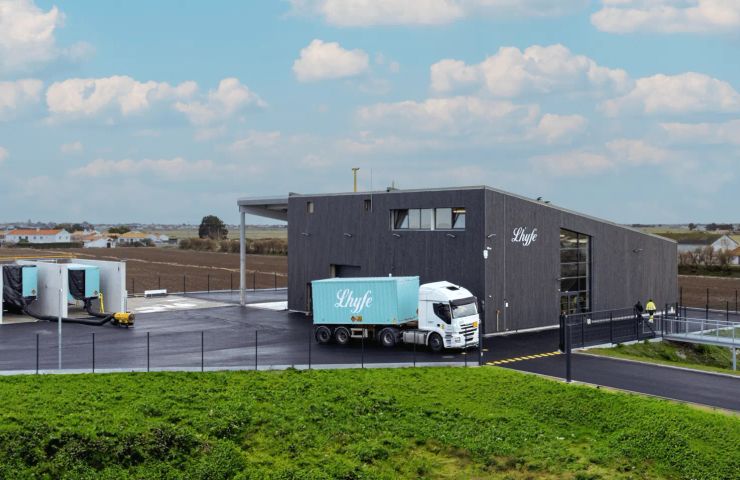
H2APEX Group SCA and Lhyfe have just taken a big step in the world of renewable hydrogen by expanding their supply agreement in Germany. The new deal means Lhyfe will be supplying a hefty 100 tonnes of RFNBO-certified hydrogen each year for the next two years. The goal? To ramp up availability for both mobility and industrial uses across the country.
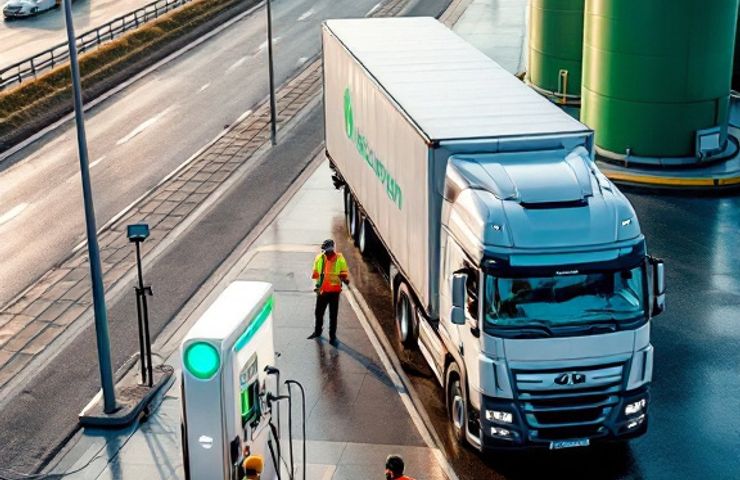
Imagine it like a relay race: Lhyfe hands off the freshly produced hydrogen while H2APEX handles everything downstream—storage, compression, and distribution. This way, fuel cell trucks and industrial sites can make use of certified green hydrogen even before the larger domestic plants and import routes are fully up and running.
Germany’s Hydrogen Ambitions
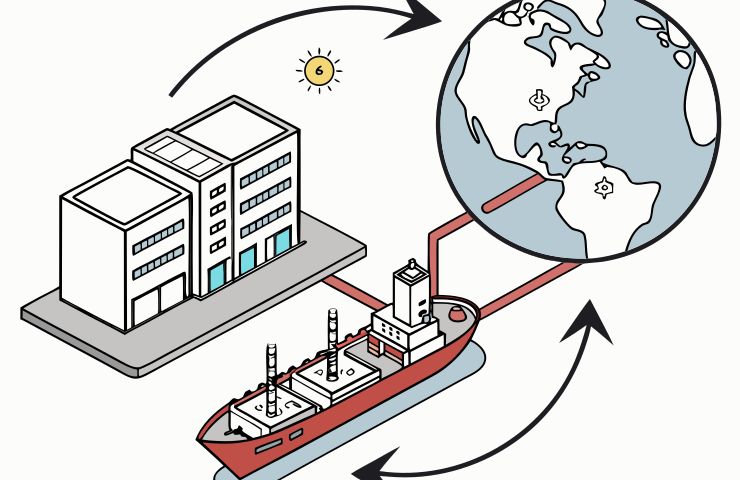
Since launching its National Hydrogen Strategy back in 2020, Germany has upped its game by raising its 2030 target for electrolysis to at least 10 GW. The plan is to meet about 70% of future hydrogen demand through imports by leveraging the country’s extensive ports and transport network. But here’s the kicker: building the necessary pipelines, terminals, and interconnectors isn’t a quick process. That’s where these bilateral supply deals come in, helping to bridge the gaps in hydrogen infrastructure.
Why RFNBO Certification Matters
Now, let’s talk about that RFNBO certification. Under EU guidelines, renewable hydrogen needs to meet several key criteria before snagging the RFNBO label, including additionality and geographic correlation. Producers must document where their renewable electricity is sourced, prove that each kilogram of hydrogen is contributing to new wind or solar capacity, and show lifecycle greenhouse gas savings. This certification gives a peace of mind to industrial and mobility customers that their green hydrogen isn’t just greenwashing.
The European Commission also tightened the rules around RFNBO, insisting that hydrogen production is directly linked to newly built renewable sources, rather than just tapping into existing green grids. This means every megawatt-hour powering electrolysis really leads to genuine emissions cuts.
But even with all this, today’s announcement raises some eyebrows. There’s no mention of pricing or payment terms, and it’s not clear which facility will be supplying the hydrogen, how it’ll get to refueling stations, or who the end customers are. The phrase “up to” makes it clear that the 100 tonnes per year is more of a cap than a guarantee.
Company Roles in the Value Chain
H2APEX started out back in 2000 as APEX Energy Teterow GmbH, but went all in on hydrogen in 2012. They rolled out a 2 MW electrolyser in 2020 and snagged EU funding for a big 100 MW project at their Rostock-Laage site. Nowadays, they’re all about project development and have striking storage and refueling infrastructure, boasting an ambition of up to 2 GW capacity—though that's still a work in progress.
Lhyfe, founded by Matthieu Guesné in 2017, is making waves in 11 countries across Europe with nearly 190 employees. They kicked off a wind-linked industrial plant in 2021, followed by an offshore pilot platform in 2022. As a listed company on Euronext Paris, Lhyfe is laser-focused on providing green hydrogen for transport, mobility, and industry.
Electrolysis in Brief
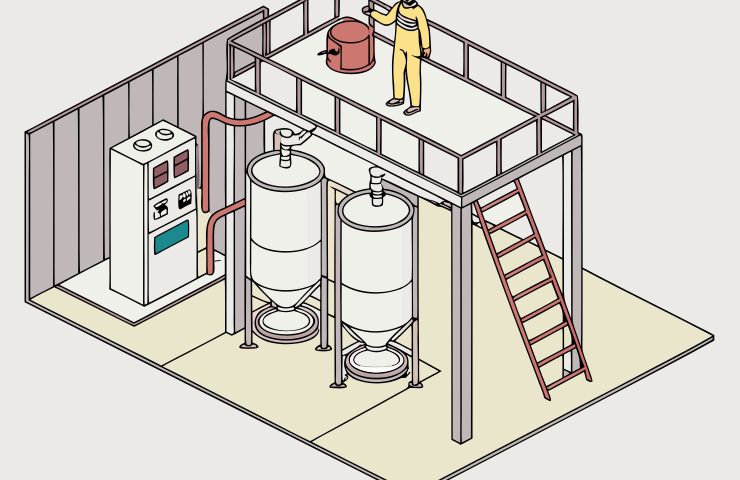
So, how does this work? Water electrolysis involves splitting H2O into hydrogen and oxygen using electricity. The latest PEM and alkaline electrolysers achieve around 70% efficiency. After that, the hydrogen is dried, compressed, and stored. If it’s powered by dedicated renewable energy, then we’re talking about a true renewable fuel of non-biological origin.
That said, the cost factor is still a challenge. Green hydrogen often comes in at double the price of grey hydrogen, which is produced from steam methane reforming without carbon capture. This price gap, along with changing subsidy schemes and grid fees, makes every offtake contract a small but crucial step toward making green hydrogen truly competitive.
Bridging the Supply Gap
Early-stage hydrogen projects face a classic chicken-and-egg dilemma: customers hesitate to invest in fuel cell fleets or retrofits without a certified supply while producers need reliable offtake agreements to fund large electrolysers. Smaller contracts like this recent one help to provide interim volumes, allowing refueling stations and specialized plants to make the green switch before the large-scale infrastructure is finally in place.
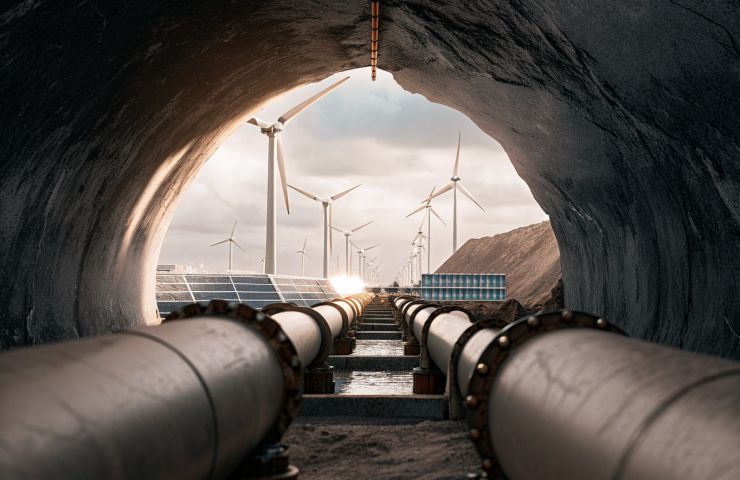
Across Europe, initiatives are underway to link producers, ports, and consumers using cross-border pipelines and import terminals. Germany is actively pursuing routes from Norway and North Sea hubs, but these projects often lag behind schedule. Meanwhile, partnerships between producers and infrastructure developers could deliver tangible volumes sooner from operational facilities.
So what’s on the horizon? Keep an eye out for these smaller offtake deals evolving into long-term contracts, paving the way for the deployment of multi-hundred-megawatt electrolysers, dedicated pipelines, and extensive storage solutions. If enough players get involved in this relay, we could see a self-reinforcing cycle of demand, scale-up, and cost reduction—turning those small springs of hydrogen into a steady, powerful flow for Germany’s factories and fleets.