Green Steel Breakthrough: Hydnum Steel’s Fossil-Free Hydrogen-Powered Plant
Hydnum Steel plans a fully digitalised, fossil-free steel plant in Puertollano, Spain, using green hydrogen-based DRI-EAF and renewable electricity to produce up to 2.7 Mt/year of low-carbon flat steel with a 98% emissions cut. Backed by a €1.65 billion investment including €150 million from Cofides’ FOCO fund and partners like Siemens, ABEI Energy and Primetals, the project could become a model for Europe’s green steel transition.
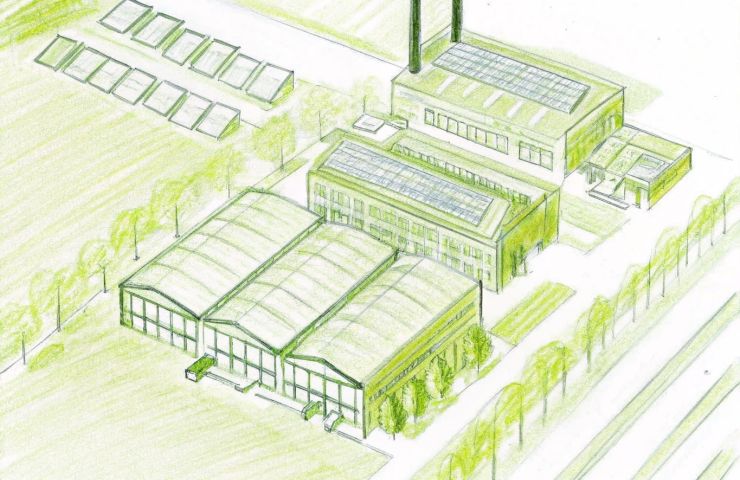
Imagine a world where steelmaking doesn’t rely on coal at all—instead, it runs entirely on pure green hydrogen. It sounds like something out of a sci-fi novel, right? Well, hold onto your hats because Hydnum Steel is making that dream a reality over in Puertollano!
Shaking Things Up in the Steel Industry
Steel has always been one of those tough nuts to crack when it comes to cutting emissions. It cranks out about 1.8 to 2.0 tonnes of CO₂ for every tonne of steel produced, thanks to those traditional blast-furnace plants that burn coal and coke like it's going out of style. But Hydnum Steel is flipping the script with a fully digitalized greenfield facility that aims to slash those nasty Scope 1 and 2 emissions by up to a staggering 98% compared to outdated methods.
So, what’s the game plan? Instead of relying on fossil fuels, Hydnum Steel is shifting gears to electric arc furnaces powered exclusively by renewable electricity and green hydrogen. This hydrogen will either be made right on-site or close by, thanks to their partnership with ABEI Energy, making good use of the abundant solar and wind resources that Puertollano has to offer.
Why This Matters
- Cutting emissions by up to 98% compared to conventional blast-furnace methods.
- An annual capacity of up to 2.7 million tonnes of low-carbon flat steel.
- Creating over 1,000 high-skill jobs and generating another 4,000 indirect positions.
- Securing 500 MW of grid access for powering electrolysers and furnaces.
- Implementing Zero Liquid Discharge water recycling, making this a true "cero vertidos" operation.
And trust me, those figures aren't just fluff—they're backed by independent studies showing that a 90–95% reduction in emissions is actually achievable with green hydrogen in direct reduction. By setting their sights on a 98% target, Hydnum is really going for gold!
The Secret Sauce
What’s the winning recipe at Hydnum? It’s all about the cutting-edge technology:
- Hydrogen-based DRI-EAF route: This involves reducing iron ore using green hydrogen. Then, instead of going through coke ovens or blast furnaces, the iron gets melted with scrap in electric arc furnaces.
- Endless Strip Production (ESP): Continuous casting and rolling that not only lowers energy consumption but also boosts productivity by up to 60% compared to traditional methods.
- Zero Liquid Discharge: A water-treatment system that recycles almost all process streams, drastically reducing freshwater use in semi-arid regions like Castilla-La Mancha.
- Industrial Digital Twin: With Siemens’ automation and simulation platform, this facility fine-tunes hydrogen flows, furnace temperatures, and maintenance schedules in real time.
Essentially, in a hydrogen-based direct reduction (H₂-DRI) system, green hydrogen interacts with iron ore pellets at temperatures between 800 and 1,000°C to release oxygen, yielding sponge iron and water vapor. This sponge iron then enters an electric arc furnace with recycled scrap, where powerful arcs melt it down into steel.
Who’s in the Driver’s Seat?
The heavy lifter here is Russula, leading the consortium and bringing together expertise in rolling-mill engineering, process automation, and endless strip technology. Their digital-first approach integrates hundreds of sensors and PLCs, which pump data into Siemens’ cloud-based analytics for real-time adjustments and cybersecurity.
Plus, with Cofides' FOCO fund investing €150 million in equity, there’s a clear vote of confidence, unlocking additional bank debt towards the overall €1.65 billion budget. And the regional support from the Junta de Castilla-La Mancha as a Proyecto de Singular Interés and Proyecto Prioritario helps speed up planning and infrastructure.
On top of that, ABEI Energy is on board to manage the renewable energy and hydrogen supply, leveraging local solar, wind, and storage assets to provide a steady feed for the electrolysers and furnaces, keeping everything humming smoothly even when grid demand fluctuates.
And let’s not overlook the policy perks. Hydnum Steel is woven into Spain’s industrial decarbonisation strategy under PERTE II, allowing access to EU funding like the Innovation Fund. This gives them some insulation against pesky power price swings.
Revamping Puertollano
For a town that used to lean on coal mines and oil refineries, Hydnum Steel represents a massive turnaround. Puertollano boasts solid hydrogen and grid infrastructure, with 500 MW of connectivity at the Brazatortas node and direct access to renewable projects like Iberdrola’s electrolyser.
They’re expecting more than 5,000 jobs to sprout during construction and operation, along with training programs and supplier clusters that should spark a broader economic revival. Plus, discussions with automotive and construction firms that are concerned about Scope 3 emissions could establish a reference price for low-carbon steel across the Iberian Peninsula.
Aiming for Beyond Spain
This project comes at a time when European green steel initiatives are popping up all over. Sweden’s HYBRIT and H2 Green Steel are already in various stages of development, while major players are exploring hydrogen injection and DRI-EAF setups in multiple countries. With EU analysts predicting over €180 billion in investment needed to decarbonise the steel sector by 2030, Hydnum Steel is definitely a key piece in that puzzle.
If Hydnum can hit its cost and production targets, it’ll demonstrate that hydrogen can take root in sunny, renewable-rich markets. But if the company faces challenges such as high power costs or permitting obstacles, it’ll highlight the gaps in policy and infrastructure that need to be addressed for the industry to really thrive.
Get Ready for Fossil-Free Steel!
So here’s the big question: can an old-school industry like steel finally transition to the zero-carbon future? With its bold engineering, digital savvy, and strong financial backing, Hydnum may just have the key to unlock that door. They’re not just constructing a plant; they’re laying down a playbook for a fossil-free future. Keep an eye on Hydnum Steel—they just might be the blueprint everyone’s been waiting for!