Green Hydrogen Project Advances in Newfoundland's Placentia Bay Despite Industry Headwinds
World Energy GH2 is progressing with a wind-powered green hydrogen and ammonia project in Newfoundland's Placentia Bay—backed by provincial government and aimed at positioning the region as a global clean energy hub.
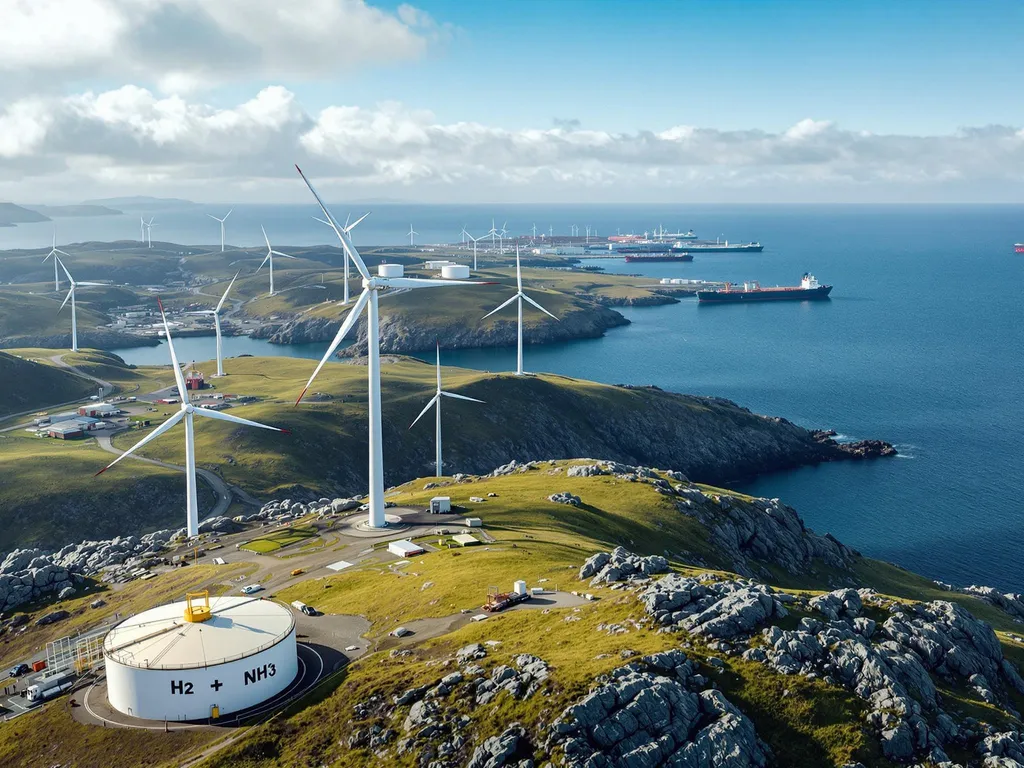
Out in the remote stretch of Placentia Bay, Newfoundland, something big is happening—something that could reshape how we think about clean energy. A Canadian-led team called World Energy GH2 is rolling up its sleeves to launch a bold green hydrogen and clean ammonia production project, powered entirely by the fierce Atlantic winds. It’s still navigating environmental reviews and feasibility checks as we move through 2024, but make no mistake—this is one of the most ambitious steps Canada’s taken toward a sustainable energy future.
Taking a Big Swing on Clean Energy
World Energy GH2, with backing from the Government of Newfoundland and Labrador, is betting big on this shift. For a province long defined by offshore oil and commercial fishing, Placentia Bay is about to take center stage as a symbol of clean-powered reinvention.
“We’re not just building turbines,” said CEO Sean Leet in a recent update to stakeholders. “We’re building a beacon for global energy transformation.”
The project’s game plan? Use powerful coastal winds to generate clean electricity, funnel that power through electrolysis to produce green hydrogen, and then ship it out to fuel the world—or convert it to ammonia, which is easier to store and transport. In short, they’re aiming to turn wind into globally viable clean fuel.
Why Here? Why Now?
On the surface, Placentia Bay might not look like a global energy hotspot—but it’s got one major asset: wind. Lots of it. And in the world of renewables, that’s pure gold. Once known for shipbuilding and tight-knit fishing communities, the area is now being reimagined as a launchpad for net-zero energy exports.
Across the globe, countries are racing to build out hydrogen infrastructure, spurred by incentives like the U.S. Inflation Reduction Act and Europe’s push toward hydrogen-powered economies. Newfoundland’s aiming to stake its claim in this emerging market—and turn this clean shift into a long-term economic boost.
The Power Trio: Wind, Electrolysis, and Ammonia
At the heart of it all are three key technologies working in sync:
- Wind energy provides steady, renewable power straight from the Atlantic gales.
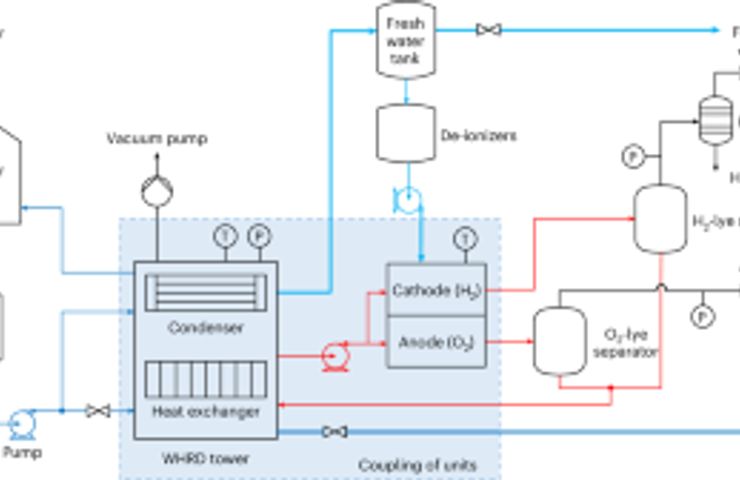
- Electrolyzers take that power and split water into hydrogen and oxygen—no emissions, just clean fuel.
- Ammonia production binds that hydrogen with nitrogen to create a stable, shippable fuel that fits right into existing transport systems.
Together, these technologies do more than check a sustainability box—they make green hydrogen a real, viable global fuel, and position Newfoundland and Labrador to be a serious player in the sustainable energy world.
Government's All In
Premier Andrew Furey has made it clear: the future is clean, and Newfoundland plans to lead. His administration is offering the financial support and policy framework needed to de-risk big projects like this—critical when you're trying to build a first-of-its-kind hydrogen facility in relatively uncharted territory.
Let’s be real—hydrogen infrastructure is still in its early days and comes with challenges. But government support helps put wind in the project’s sails, reducing uncertainty and attracting investors who are eager to be part of the next energy revolution.
High Potential, High Pressure
Of course, no project of this scale happens without a few waves. Environmental reviews are in full swing, and concerns about wildlife and ecosystems—especially when it comes to wind turbines—are part of the conversation. There are also ongoing efforts to consult with Indigenous communities and ensure that land use is sustainable and respectful.
And there’s competition. Other players across Atlantic Canada are chasing similar goals, with deep-pocketed investors and well-connected international backers. That’s putting pressure on World Energy GH2 to move fast in 2024—securing financing and regulatory green lights to stay ahead.
A Big Piece in the Hydrogen Puzzle
So, what’s at stake? If this project crosses the finish line, it could anchor a new transatlantic supply chain—one that ships green hydrogen and ammonia from Canada to Europe and beyond. That’d be a game-changer for both Canada’s climate goals and its global energy cred.
And for the hydrogen world? It’s yet another signal that zero-emission technologies are moving out of the lab and into day-to-day life. Real-world, shovel-in-the-ground projects like this give the whole sector a boost—proving that green hydrogen and sustainable energy aren’t just future dreams, but current realities being built right now.
All Eyes on 2025
Now it comes down to execution. If World Energy GH2 clears the regulatory hurdles and secures full funding, construction could kick off within the next couple of years. That would mean hundreds—possibly thousands—of new jobs for a region that could really use them.
More than that, though, it would mean rewriting Newfoundland and Labrador's energy legacy—from one built on oil to one powered by clean innovation.
As one official joked at a local town hall, “Hydrogen can be our new offshore.” That might sound like a stretch—but given where this project’s headed, it might be closer than you think.