UTE and HIF Global Seal Power Price Deal for Paysandú Plant
UTE and HIF Global have agreed on the electricity price for a 1 GW green hydrogen plant in Paysandú, Uruguay, removing the main hurdle to the project's final investment decision.
Uruguay's state-owned utility, UTE, has finally reached an agreement with Chile's HIF Global on the electricity tariff for an innovative plant in the Paysandú region. This marks a crucial breakthrough—after some serious back-and-forth, they've tackled the biggest hurdle that had been holding up the project's final investment decision, making large-scale hydrogen production from renewable sources a real possibility.
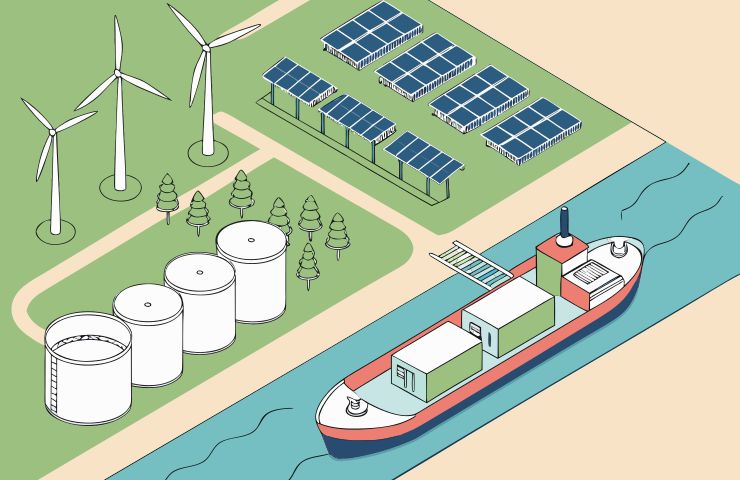
This plant is poised to be one of the largest private investments in Uruguay's history, featuring a massive gigawatt-scale electrolysis facility powered by dedicated wind and solar parks that together boast 2 GW of generation capacity. The goal? To blend green hydrogen with captured carbon dioxide from the state’s biofuels subsidiary, ALUR, and whip up hundreds of millions of liters of carbon-neutral e-fuels, like synthetic methanol and e-gasoline, aimed at international markets. Now, securing that competitive electricity rate is key—not just for the project’s success but also because electricity costs make up about 70% of its total operating expenses, which will directly impact the price of these e-fuels as they try to meet soaring global demand.
Why Price Matters
When it comes to clean hydrogen and e-fuel facilities, power costs are the name of the game. In Uruguay's already very green electricity market, where over 95% of power comes from renewable sources, industrial tariffs are running between US$60 and US$80 per MWh. During talks, HIF Global was aiming for a long-term rate in the low US$40s per MWh. Achieving that would really help with cost targets, but it could also create tensions with other industrial consumers and put pressure on UTE’s financial model.
After months of negotiations shaped by the Ministry of Industry, Energy and Mining (MIEM), they finally found some common ground. While the final price remains under wraps, insiders suggest that they struck a deal that makes financial sense for the project while still upholding Uruguay’s principles around fair pricing and industrial decarbonization. By aligning the priorities of a private developer with those of a public utility, this agreement could pave the way for other hydrogen initiatives, from electrolysis campuses to zero-emission ammonia plants.
Project Scope and Technology
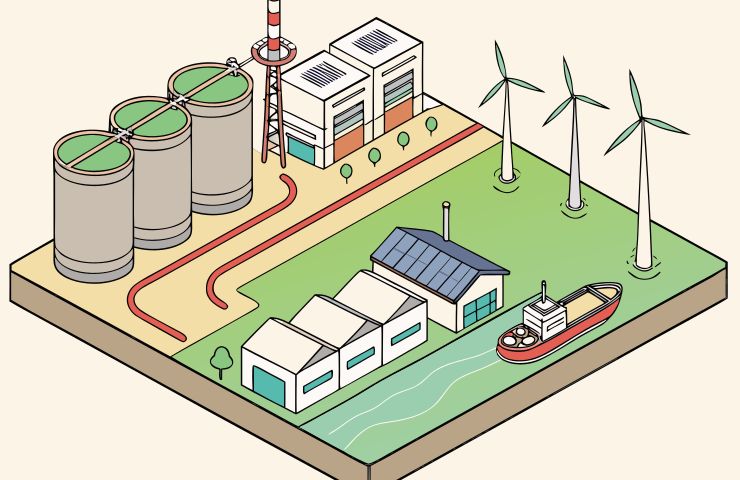
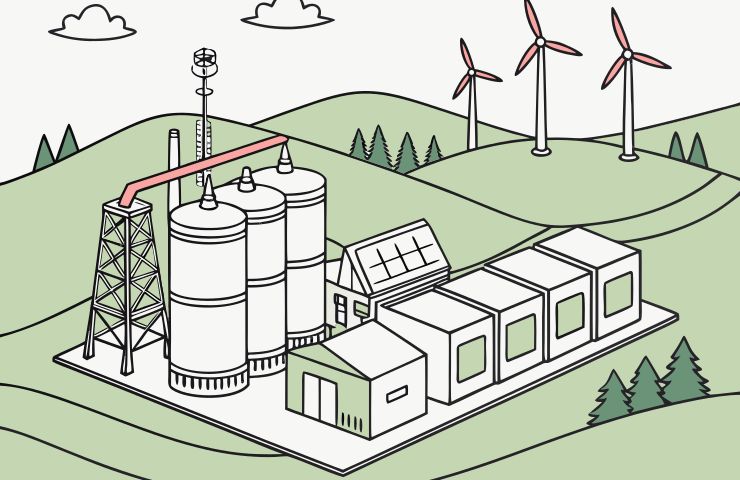
The Paysandú complex is gearing up with 1 GW of proton-exchange-membrane or alkaline electrolyzers that will split water into oxygen and green hydrogen. To keep the process running smoothly, the facility will draw and treat water from the nearby Uruguay River, purifying it before feeding it into the electrolyzer units. On the energy side, the setup includes cutting-edge wind turbines and solar arrays, alongside electricity sourced from UTE's grid. All of this makes for a robust hydrogen infrastructure capable of handling the intermittent nature of renewables and storing excess energy in compressed hydrogen.
Once the hydrogen is produced, it’s compressed and piped to synthesis reactors, which blend it with 710,000 tonnes of biogenic CO₂ from ALUR. Through a catalytic process involving heat and pressure, these materials come together to create methanol that can either be sold straight as a carbon-neutral fuel or transformed into gasoline-range hydrocarbons. The plant is eyeing an annual output of about 256 million liters of e-gasoline, derived from roughly 100,000 tonnes of hydrogen and 710,000 tonnes of CO₂. This scale has the potential to demonstrate how hydrogen production and effective hydrogen infrastructure can thrive in areas rich in renewable resources.
Strategic Importance for Uruguay
For over a decade, Uruguay has been a quiet leader in the renewable energy transition, boasting one of the highest shares of wind and solar in its electricity grid. Riding that wave, the government recently released a national green hydrogen roadmap, with ambitious plans to ramp up production to one million tonnes a year by 2040. This comes on the heels of initial pilot facilities with a few hundred megawatts of electrolyzer capacity, setting sights on scaling up to about 20 GW by the middle of the century, which could translate into billions in export revenues and a wealth of specialized job opportunities in operations, engineering, and logistics.
The Paysandú initiative, backed by around US$4 billion in capital investment, could be the crown jewel of that strategy. For HIF Global, which is already running a certified e-methanol plant in Chile, this project solidifies its footing as a global supplier of e-fuels. Plus, for Uruguay, it means advancing industrial diversification, boosting local tech know-how in electrochemical systems, and solidifying the nation’s reputation as a trustworthy partner in the clean hydrogen supply chain.
Local and Regional Reactions
While there’s a lot of support from national authorities and industry players, not everyone is on board. Community groups in Paysandú and even across the border in Argentina have raised red flags about water usage, river transport, and environmental repercussions. A coalition of local groups has kicked off petitions, aiming to gather 15,000 signatures to trigger a mandatory public consultation, highlighting the ongoing conversations about sustainable development and cross-border ecological impacts.
Some critics liken the situation to previous disputes over pulp mills along the same river, cautioning about heavy barge traffic, shoreline infrastructure, and cumulative stress on the ecosystem. However, project planners emphasize that they will carry out thorough environmental impact assessments, maintain ongoing monitoring, and implement design features aimed at minimizing water withdrawals and habitat disturbances. Balancing these social and ecological aspects will be just as crucial as finalizing those commercial agreements.
What’s Next?
With the power price issue smoothed out, HIF Global and its partners are gearing up for a final investment decision that could come within the next few months. Detailed engineering studies, financing arrangements, and supply chain agreements are all in the works, along with securing necessary regulatory approvals, environmental permits, and any stakeholder consultations that may be required.
At the same time, they’re diving into logistics, planning for the integration of river barges for transporting CO₂ and methanol, and expanding hydrogen storage facilities that will help manage grid variability. Ultimately, Paysandú has the potential to serve as a model for scalable green hydrogen production and electrolysis technology throughout Latin America. By demonstrating that it’s possible to harmonize a reasonable electricity contract, solid hydrogen infrastructure, and community engagement, Uruguay could very well set the stage for emerging hydrogen exporters around the globe.