Green Hydrogen Production Soars with Modified TiO2 Catalyst
RMIT-led researchers report a modified titanium dioxide catalyst that boosts green hydrogen production rates by over 80 times in lab tests, hinting at low-cost catalyst opportunities.
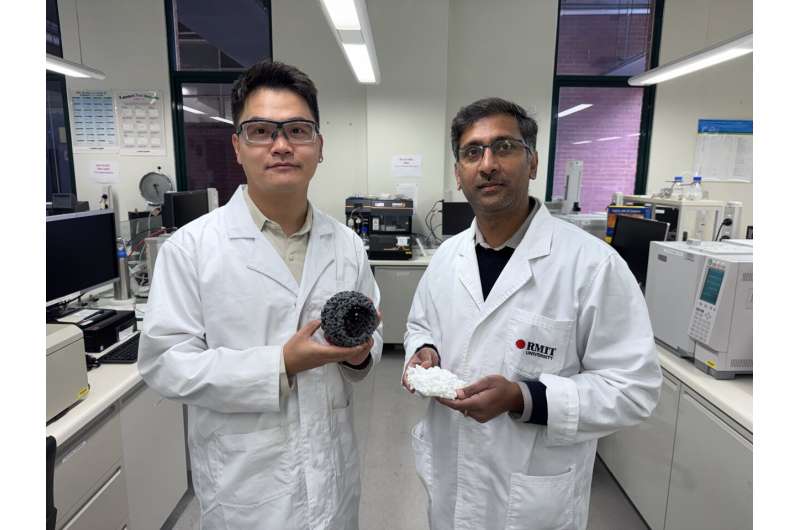
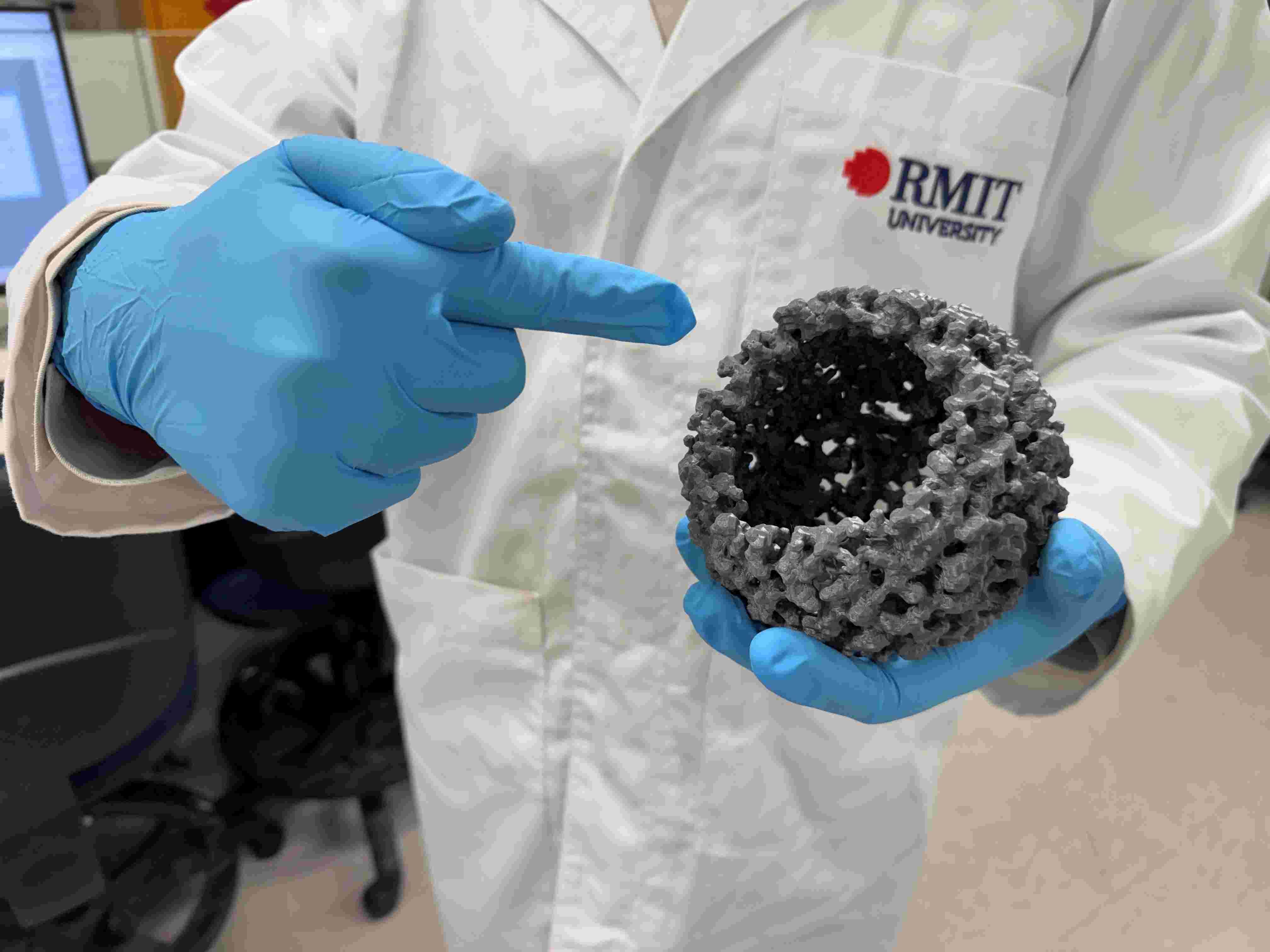
In an exciting leap for green hydrogen production, a research team from RMIT University in Australia has hit a major milestone in the lab. They’ve managed to improve a standard titanium dioxide photocatalyst to the point where it produces hydrogen at rates that are over 80 times better than untreated commercial TiO2, all under similar test conditions. This achievement comes from a collaboration with Zhoukou Normal University and Xinyang University, showcasing a new approach that focuses on materials to enhance sustainable energy.
The team’s experiments took place in Victoria, where they used a methanol solution to gauge how well the photocatalyst could create hydrogen. While methanol isn’t a true water-splitting agent, it does act as a sacrificial electron donor. The impressive boost in activity hints that even the standard TiO2 used in the industry still has a lot of unexploited potential. Their modifications—including the creation of defects, adding nickel, and designing nanoscale hollow spheres—have significantly improved charge separation and increased the number of reaction sites on the surface.
Smart Material Engineering
The magic behind this breakthrough lies in the intentional design of materials. While pristine TiO2 is appreciated for being abundant, stable, and cheap, its limitations include poor light absorption (it mainly grabs UV light) and the rapid recombination of photogenerated electron-hole pairs. To address these drawbacks, the researchers added a touch of nickel as a co-catalyst. This addition creates localized pathways for charge transfer, opening up active sites where protons can more easily reduce, which speeds up the hydrogen evolution reaction. On top of that, the creation of defects leads to oxygen vacancies and other structural imperfections that help keep electrons around longer, allowing them to take part in surface chemistry instead of just recombining.
To optimize performance further, they shaped the catalyst into nanoscale hollow spheres. This design not only increases the specific surface area but also enhances light scattering within each sphere. This means photons can spread out more evenly and react across a larger chunk of material. Together, these tweaks create a more efficient flow of energy and charge, overcoming some of the inherent issues that come with wide-bandgap semiconductors like TiO2.
Lab Showcase with a Methanol Donor
During their tests, the team successfully generated hydrogen in a methanol-infused solution. Since methanol acts as a sacrificial reagent, it helps tidy up the process by consuming holes and preventing charge recombination—making it easier to measure how much hydrogen is being produced. This kind of setup is pretty standard in the early research stages of photocatalytic hydrogen production, as it minimizes unwanted side reactions on the catalyst surface. That said, flipping from methanol to pure water in real-world applications remains a big hurdle. We can’t solely rely on sacrificial donors in large-scale setups, so future tests need to prove that direct solar-driven water splitting can work before we hit the commercial stage.
What's Next for Low-Cost Hydrogen?
A persistent challenge in hydrogen production has been the need for expensive or rare catalyst materials like platinum. In contrast, both titanium dioxide and nickel are abundant and budget-friendly. If these materials can perform well, they could significantly cut down the costs associated with electrolyzers or photocatalytic reactors. This shift could pave the way for a more decentralized hydrogen infrastructure where fuel could be produced right on-site without needing long supply chains—a game-changer in areas looking to adopt hydrogen vehicles and hydrogen refueling stations.
This finding also adds to RMIT's reputation for excellence in hydrogen materials research, building on previous work in areas like seawater splitting and floating photocatalytic modules. With governments and industries increasingly targeting hydrogen as a key player in decarbonizing tough sectors—think steelmaking, shipping, aviation, and chemicals—a catalyst based on TiO2 represents a scalable pathway forward. Even small advances in the cost and performance of this catalyst could shake up project economics, lowering barriers for new markets like off-grid refueling stations and modular chemical sites.
Challenges Ahead
While the numbers look great, we've got to take a step back and remember that lab results can be just the tip of the iceberg. The improved TiO2 system now needs to prove itself in the real world—think full sunlight, temperature swings, long-term cycling, and pure water feeds. Durability tests and pilot-scale prototypes are where the rubber will meet the road. Plus, researchers will need to measure efficiency under actual solar conditions and make sure materials hold up over time.
Then there’s the scale-up challenge: creating these defect-rich hollow spheres in large quantities—and doing it cost-effectively. Integrating those nickel tweaks without messing anything up or causing unwanted side reactions will require some serious process control. This is where collaboration between materials scientists, chemical engineers, and industry partners becomes crucial. It’s all about translating what works in the lab into something that can be designed into commercial reactors.
A Broader Trend in Photocatalysis
This initiative reflects a larger trend in hydrogen research and development: real-world improvements often come from smart engineering of existing catalysts rather than reinventing the wheel with entirely new materials. Techniques like defect design, constructing heterojunctions, optimizing co-catalyst loading, and tweaking morphology have a proven track record of transforming familiar semiconductors into high-performance systems. With a global network of researchers dedicated to photocatalytic hydrogen evolution, RMIT’s work might just inspire similar efforts focused on other oxide supports or hybrid composites that can better respond to visible light than TiO2.
At the end of the day, the quest for an affordable, durable, and efficient photocatalyst is a shared goal for the entire community. This modern study offers important insights, highlighting that with targeted adjustments to known materials, we can unlock surprising gains. It shows that even materials we think we know inside and out might still have some tricks up their sleeves, especially when we use today’s advanced characterization tools and nanoscale fabrication techniques.
Looking forward, success in catalysis isn't just about making the best catalyst—it also needs to go hand in hand with reactor engineering and system integration. But for now, this study serves as a reminder that sometimes, the most significant breakthroughs come from rethinking what’s already familiar instead of always chasing the latest exotic materials. We might just find that the next chapters in the story of sustainable energy will be penned through the lens of defects, dopants, and hollow spheres.