Green Hydrogen Production Leads the Charge in Near Zero-Carbon Aluminium Recycling at Hydro Høyanger
Norsk Hydro has begun a three-year pilot using green hydrogen to fuel an aluminium recycling furnace at its Høyanger plant, marking a major step toward near zero-carbon aluminium.
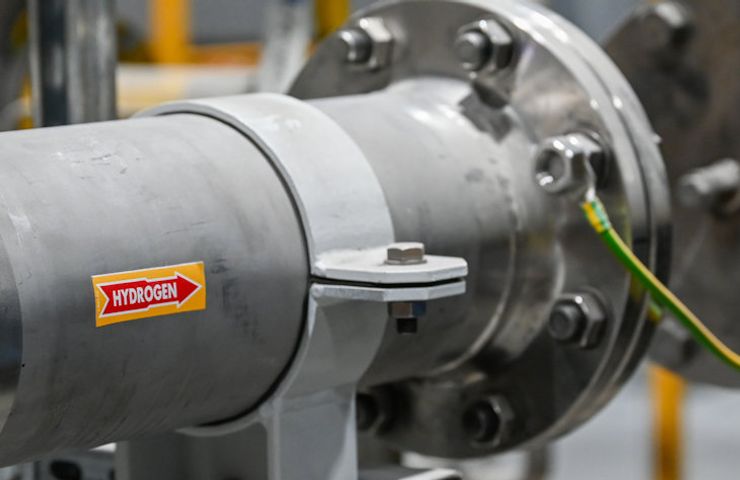
Norsk Hydro ASA has kicked off an exciting three-year pilot project at its Høyanger recycling facility in Norway, where they’re experimenting with powering a remelting furnace using green hydrogen generated through water electrolysis with renewable hydropower. This is a big deal for the circular aluminium recycling industry, as it's testing out the potential for green hydrogen to step in for liquefied natural gas (LNG) and significantly cut down operational emissions, aiming for near-zero levels. As one of the first large-scale assessments of green hydrogen in aluminium recycling, this project puts Hydro right at the cutting edge of green hydrogen production and hydrogen infrastructure innovation.
A Game-Changer in Circular Aluminium Recycling
The Høyanger facility is designed to handle around 36,000 tonnes of post-consumer aluminium scrap every year, transforming everything from old vehicles to building facades into valuable ingots for casting. By mixing these recycled ingots with primary aluminium, customers can get low-carbon casting products that come with verified footprints. The issue, however, is that traditional remelting furnaces still rely on LNG, which contributes to greenhouse gas emissions even in a recycling model. That’s where the Høyanger pilot aims to make a real impact.
When the scrap arrives at the plant, it undergoes a rigorous process that includes de-coating and quality sorting. Specialized equipment is used to eliminate contaminants and organic materials, ensuring a steady supply for the hydrogen furnace. This prep work is essential for maintaining alloy specifications and supporting the high throughput that's needed for industrial operations.
Over the next three years, one of the facility’s furnaces will be fueled by hydrogen instead of LNG. Thanks to green hydrogen production powered by local hydropower generated from Hydro’s 40 power plants, which together produce a whopping 13.7 TWh annually, that furnace could operate with nearly zero direct CO₂ emissions at the point of use. Early assessments indicate that hydropower-based hydrogen could emit only about 22 grams of CO₂-equivalent per kilogram, while natural gas is around 2,750 grams. If this pilot proves successful, it could completely change the game for reducing carbon footprints in aluminium recycling.
Green Hydrogen Infrastructure at Scale
Hydro Havrand, the green hydrogen arm of Norsk Hydro, has taken charge of designing and installing the hydrogen production and storage systems. This setup features two polymer electrolyte membrane (PEM) electrolysis modules that can dynamically ramp up output to meet the furnace's demands, diaphragm compressors to boost hydrogen pressure to industrial levels, and buffer tanks that can accommodate several hours of operation to handle load fluctuations. This solid integration of hydrogen infrastructure showcases how effectively large-scale hydropower can be paired with onsite hydrogen storage for industrial applications.
The PEM electrolysis method produces high-purity hydrogen without needing any extra purification, plus advanced control software keeps tabs on cell voltage, stack temperature, and gas purity in real-time. By keeping the electrolyzer onsite, the project avoids the risks and emissions that come from transporting hydrogen, creating a model that could inspire regional hubs driven by green hydrogen production. Engineers will also dive into testing combustion features and refining burner designs to prevent issues like flashbacks and ensure stable flames at the high temperatures needed for aluminium remelting.
On the financing side, Enova SF, the Norwegian state enterprise focused on energy and climate technologies, is providing up to NOK 83.3 million to help mitigate risks associated with the pilot and speed up deployment. This public support highlights the increasing interest in clean hydrogen news and opens paths for potential financing mechanisms that align with project goals.
Collaboration Driving Decarbonization
The Høyanger pilot is a great example of how effective collaboration can drive progress among government, industry, and tech experts. Norsk Hydro ASA brings decades of aluminium expertise and a legacy of harnessing hydropower, while Hydro Havrand offers deep understanding of hydrogen production methods and onsite electrolysis. Enova SF adds a policy and financing angle that can really help scale innovation.
Insights gained from a ground-breaking trial at Hydro Navarra in Spain, where green hydrogen was used to melt the world’s first industrial-scale batch of recycled aluminium, are directly informing Høyanger’s design and operations. Technical teams are sharing knowledge across sites to refine best practices regarding burner configurations, gas mixing, and metallurgical quality control. This international collaboration is speeding up the adoption of zero-carbon recycling and establishing Høyanger as a crucial player in Europe’s growing network of sustainable industry trials.
A Glimpse into the Future
As demand for low-carbon materials ramps up in sectors like automotive, construction, and packaging, a successful hydrogen-fueled remelting process could open up new market opportunities. Early conversations with key customers suggest that the benefits of achieving near-zero CO₂ levels could outweigh any slight increases in fuel costs, especially as hydrogen prices start to drop with greater economies of scale.
Hydro’s roadmap aims for net-zero aluminium production by 2050, leveraging three main strategies: improving energy efficiency, ramping up scrap usage, and switching fuels. The Høyanger pilot tackles the latter two, providing valuable data to inform expansions into other casthouses like Årdal and Karmøy. By showcasing reliable performance, this project could pave the way for integrated solutions in other high-temperature industries—like steel, cement, and glass—where hydrogen infrastructure could similarly take over from fossil fuels.
Challenges and Next Steps
While there's a lot of enthusiasm surrounding this pilot, it’s not without its challenges. Hydrogen tends to be pricier than natural gas when you look at energy costs, and the initial investment for electrolysers, compressors, and storage can be daunting. Engineers will need to figure out if any operational savings, like reduced emission fees or potential carbon credits, can help balance out these expenses in the long run.
Another significant aspect is managing combustion byproducts; hydrogen flames can produce higher nitrogen oxides (NOx) levels without proper control. To address this, continuous emissions monitoring will help determine if additional treatments or burner adjustments are needed. Plus, refining safety protocols to handle hydrogen's unique properties is crucial for setting industry-wide standards.
Broader Impact and Momentum
Even though the pilot focuses on a single furnace, its implications stretch much further than just Høyanger. Successfully decarbonizing this facility could prove that claims about hydrogen news as a scalable solution for hard-to-abate sectors are valid, affecting procurement decisions and sparking new agreements for green hydrogen. European regulators are keeping a close eye on this project, and the insights gained from Høyanger might well influence guidelines around hydrogen purity, combustion techniques, and NOx reduction strategies.
This initiative also breathes new life into Høyanger’s industrial identity by turning its hydropower heritage into a modern asset for decarbonization. It not only preserves high-value jobs in a community that’s seen demographic shifts but also opens up opportunities for startups and research partnerships. On a global scale, the Høyanger pilot sends a powerful message: when renewable electricity, innovative technology, and public support come together, even traditional industrial sites can transform into hubs for sustainable manufacturing.
As this project unfolds over the next three years, the world will be keeping an eye on how one furnace in western Norway might set new standards for sustainable metals. The Høyanger green hydrogen pilot isn't just an experiment—it's a sneak peek into the future of industrial decarbonization.