Green Hydrogen Production from Pilbara Magnetite Points to New Low-Emission Resource
Lab experiments confirm that Pilbara magnetite can generate natural hydrogen and that fluid injection boosts yield, indicating iron ore regions may hold a low-emission energy resource.
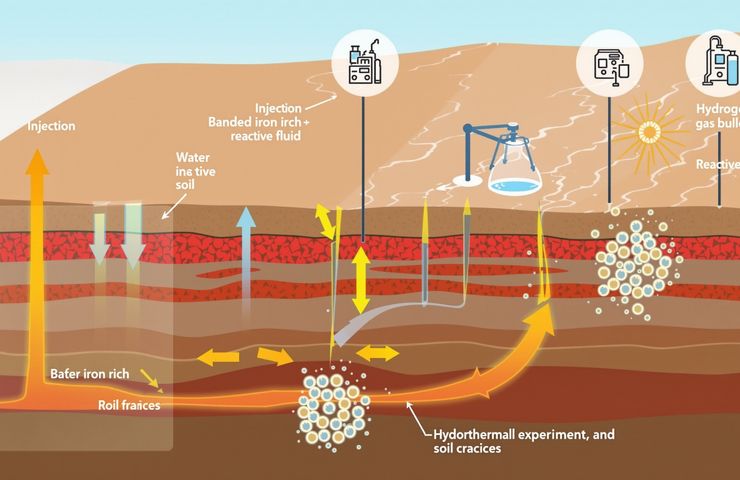
Edith Cowan University researchers in Western Australia have discovered that magnetite found in the Pilbara banded iron formations can actually produce hydrogen gas when conditions are right. By injecting a specially designed solution into the mix, they found that they could boost hydrogen output beyond the standard rates. This exciting breakthrough supports the notion that Australia’s iron ore region could hold a new, low-emission energy resource. Although it’s been dubbed a "green hydrogen goldmine" by the media, the experiments are still in the lab phase. Still, the results suggest a fascinating combination of mining geology and hydrogen production methods that could change the game for both sectors.
- Key Insights
- Hydrogen is produced when magnetite interacts with water at around 200°C and high pressure over several weeks.
- Powdered magnetite generates hydrogen per gram compared to solid slabs, emphasizing how geometry plays a role.
- Injecting a simple reactive solution increases hydrogen production beyond what occurs naturally.
- The findings propose a geological mechanism for hydrogen generation within banded iron formations.
- Utilizing existing mining and drilling infrastructure in the Pilbara could potentially lower development costs.
- Commercial potential remains to be tested in field trials, relying on consistent flow rates, purity of hydrogen, and the ability of the reservoir to regenerate.
Experiment and Findings
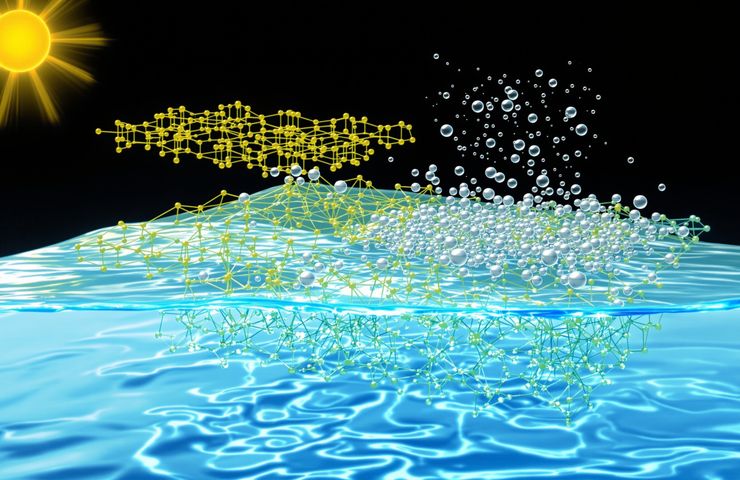
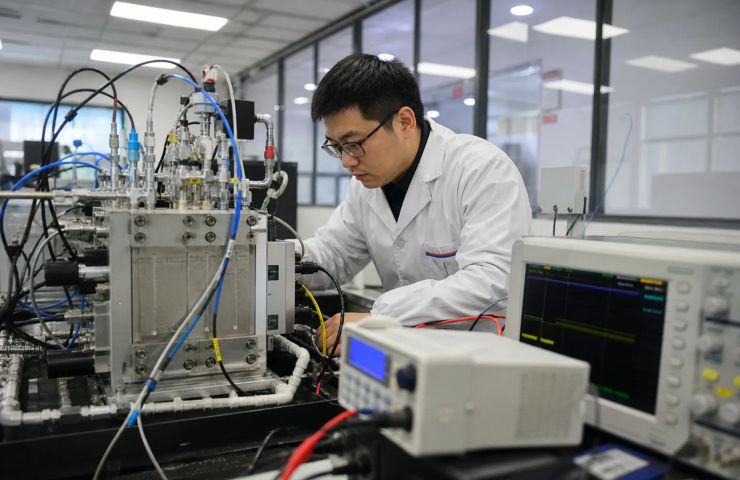
In lab tests published in the International Journal of Hydrogen Energy, researchers submerged magnetite samples in water at roughly 200°C under significant pressure for about sixty days to mimic the hydrothermal conditions found underground. This led to a chemical reaction that released molecular hydrogen, confirming a natural generation pathway. By comparing solid slabs to finely ground powder, the researchers reported that the powdered form could deliver more hydrogen per gram, thanks to the larger reactive surface area. This suggests that when it comes to field-scale hydrogen yields in iron formations, factors like rock fragmentation and natural permeability will be crucial.
Stimulated Hydrogen Generation
To take things a step further, the team injected a specially formulated aqueous solution that modified the redox and pH levels, significantly boosting hydrogen output. This method is somewhat similar to enhancing geothermal systems, where reactive fluids are circulated through magnetite-rich zones to ramp up gas production. Making this work in practice would call for detailed models of fluid movement, heat transfer, and mineral reactivity, to design injection and production wells that maximize sustained hydrogen flows without running out of reactants too quickly.
Natural Hydrogen in the Australian Context
The national science organization, CSIRO, along with Geoscience Australia, has been mapping where hydrogen can be found in Australia, using soil-gas surveys, fluid inclusion studies, and dedicated wells. Although explorations in ultramafic rocks and salt lakes have found some mixed accumulations of hydrogen, consistent commercial flow rates have been hard to come by. Geoscience Australia ranks Australia as one of the leading countries for natural hydrogen potential, noting that ongoing subsurface processes like serpentinization and radiolysis are likely responsible for its generation. The recent findings from ECU about magnetite could open up a new avenue—proving that banded iron formations, which have typically just been mined for ore, may also have the capacity to produce reactive hydrogen.
Business and Strategic Implications
The Pilbara region is already equipped with the rail, port, and power infrastructure needed to support iron exports. If pilot wells can generate hydrogen at an industrial scale, existing facilities for gas separation and compression could potentially be repurposed to process and export hydrogen to markets in Asia. Initial assessments suggest that production costs could be low, making it competitive with electrolysis-based green hydrogen if efficiencies line up correctly. To seize this opportunity, companies will need to drill for resource confirmation, conduct flow testing, plan for reservoir management, and secure offtake agreements. Collaborations among mining companies, energy service providers, and government bodies will be crucial for attracting investment and navigating new regulatory landscapes surrounding geologic hydrogen.
Environmental and Technical Challenges
Extracting natural hydrogen poses similar challenges to those faced by geothermal and unconventional gas operations. In the arid Pilbara region, balancing the water required for injection against its availability is a significant concern. Plus, controlling fluid chemistry is essential to avoid contaminating groundwater or mobilizing heavy metals. Strict monitoring protocols will need to be established to manage potential issues like induced seismicity, gas composition changes, and leakage. Because hydrogen has a very small molecular size, it’s more likely to escape, and the risk of embrittlement in steel casings means developers will have to consider specialized materials or lining technologies. They’ll also have to adapt to changing regulations, many of which were initially tailored for hydrocarbons and mining, while ensuring they involve local communities and Traditional Owners in the planning process.
Outlook
The ECU magnetite experiments provide real data, shifting natural hydrogen from an interesting idea to something that could be tested on a pilot scale. The next phase involves installing test wells in banded iron formations, refining reservoir models, and conducting techno-economic studies to compare stimulated geological hydrogen with electrolytic green hydrogen. If field trials can confirm the ability to produce high-purity, sustained hydrogen flows, the Pilbara region could become a dual-resource powerhouse—exporting not only iron ore but also a new low-emission energy resource. Until then, it’s best for stakeholders to consider the term “hydrogen goldmine” as a hopeful vision while recognizing the substantial scientific advancements that are paving the way for better industry collaboration and policy development.