Green Hydrogen Production: Castilla y León Authorizes 40 MW Moreruela II Electrolyser with 50 MW PV in Zamora
Castilla y León approved the 40 MW Moreruela II electrolyser with an integrated 50 MW solar park, advancing green hydrogen production amid groundwater debates in rural Zamora.
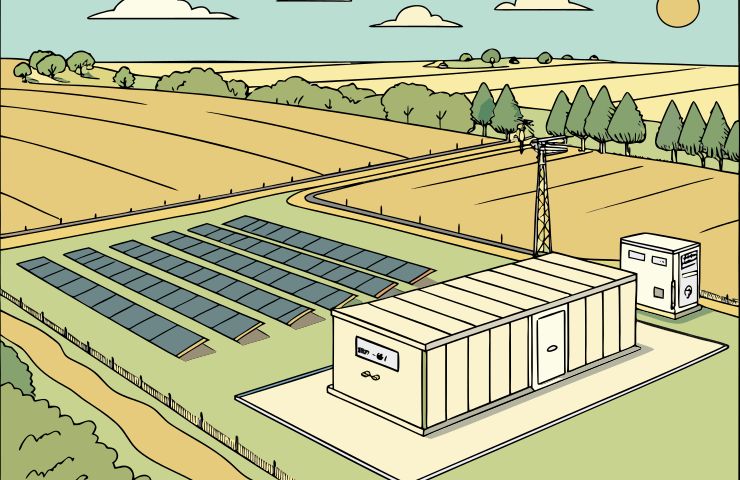
Junta de Castilla y León in Spain has just given the green light for the Moreruela II green hydrogen plant in Granja de Moreruela, Zamora. This project, developed by Inari Solar, S.L. and supported by the Andalusian team at Ansasol, is set to combine a 40 MW electrolyser with a 50 MW photovoltaic park. It's all part of the region’s plan to tap into renewable resources for large-scale green hydrogen production and boost the local economy.
Moreruela II aims to produce up to 720 kg/h of ultra-pure hydrogen (99.999% grade) using water electrolysis. Here's a quick rundown:
Local Context and Community
Now, let’s take a look at Granja de Moreruela, which is a quaint little town with around 250 residents. With a history steeped in farming and pastoralism, the town boasts a per-capita income near €23,000 but faces challenges like depopulation and limited industrial opportunities. Local leaders see renewable energy as a way to diversify. That said, some community members are raising red flags about the potential impacts on groundwater and local agriculture.
Technical Design Deep Dive
At the heart of Moreruela II is the Proton Exchange Membrane (PEM) electrolysis, known for high current densities and quick responses to varying power input.
This hybrid setup minimizes energy loss during transmission and makes the most out of locally sourced renewables, marking a significant step toward creating one of Spain’s first large-scale, independent hydrogen systems.
Spain’s Hydrogen Trajectory
Spain's National Recovery and Resilience Plan, along with the 2020 Hydrogen Roadmap, is paving the way for industrial-scale green hydrogen production. The Power to Green Hydrogen Mallorca plant made headlines in 2022 as the first example of dedicated PV and electrolysis integration. Now, Castilla y León is aspiring to develop "hydrogen valleys" that can connect production with e-methanol or synthetic fuel facilities.
Water and Environmental Debate
The groundwater concession from the Confederación Hidrográfica del Duero (CHD) allows Inari Solar to withdraw 117,000.7 m³ of water per year for 25 years at a max flow rate of 3.8 L/s. However, some studies indicate that this could potentially lower the water levels that feed into the nearby Reserva Natural de las Lagunas de Villafáfila, which is vital for migratory birds.
The Junta’s approval acknowledges that the project meets current environmental impact standards, but stresses the importance of a solid monitoring plan when it gets underway.
Regional Hydrogen Strategy
With over 60 green hydrogen projects on the drawing board, Castilla y León is eyeing around €6.6 billion in investments, which could create about 3,200 jobs. Zamora province alone is home to at least six electrolysis projects and nine biogas plants. Moreruela II complements its predecessor, Moreruela I (led by Utu Solar), reinforcing a collaborative approach that taps into local gas networks and grid resources.
Business and Strategic Implications
For Inari Solar and its parent company Ansasol, Moreruela II represents a critical strategic venture. They’re projecting an annual hydrogen output of approximately 1,900 tonnes—though this is still a preliminary figure until independent studies back it up. Landing offtake contracts with industrial customers or mobility sectors will be key to securing revenues and making the capital expenditures worthwhile.
Moreruela II has a five-year timeframe to kick off construction following its environmental approval. Key milestones will include wrapping up detailed engineering, securing grid connections for the PV and electrolytic processes, and addressing water monitoring commitments. How well it balances integrating renewables while respecting environmental needs could set a standard for future hydrogen projects in Spain.
As rural Spain looks to reinvent itself with zero-emission technology, Moreruela II symbolizes a crucial experiment: can large-scale green hydrogen production thrive alongside wetland conservation and local water requirements? Stakeholders will be monitoring permit compliance, actual hydrogen production numbers, and emerging offtake agreements as important indicators of its success.