Green Hydrogen Production Boosted by $3.1B YPP-Kazakhstan Agreement
YPP Corp and Kazakh Invest ink a $3.1B deal to create Kazakhstan’s largest green hydrogen and ammonia complex, marking a major step in the global renewable hydrogen race.
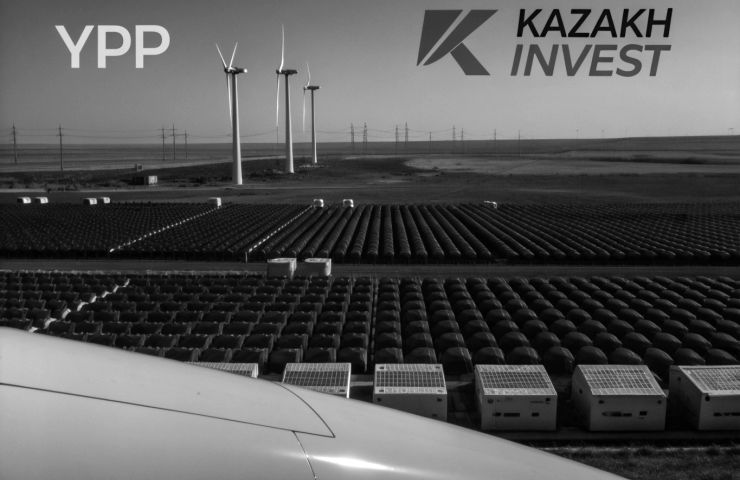
On July 15, 2025, a groundbreaking alliance came together as South Korea’s YPP Corporation joined forces with Kazakhstan’s national investment agency Kazakh Invest to kick off one of Central Asia’s biggest green energy ventures to date. The ambitious plan? A $3.1 billion Green Energy Complex designed to supercharge green hydrogen and green ammonia production in a country more known—until now—for its fossil fuel roots.
Putting Steel Behind the Hydrogen Dream
This isn’t just another renewable project. With the goal of producing up to 75,000 tons of green hydrogen and 310,000 tons of green ammonia each year, the scale is huge. And it’s all powered by up to 2 gigawatts (GW) of wind and solar. That’s a serious investment in clean energy, with most of the output aimed squarely at export markets. Kazakhstan, it seems, isn’t just dipping a toe into the hydrogen game—it’s diving in headfirst, eager to turn its economic diversification plans into a tangible, domestic advantage built on green hydrogen.
YPP Corporation—which stands for "Your Permanent Partner"—is making a bold move. Led by Chairman John M. Bek, the South Korean engineering and energy giant has been steadily pivoting toward global hydrogen markets. Their investment in Kazakhstan isn’t just about chasing profits; it’s a strategic bet that South Korean hydrogen production know-how can play a leading role on the international stage, fully aligned with the world’s march toward zero-emission technology.
From Steppes to Storage Tanks
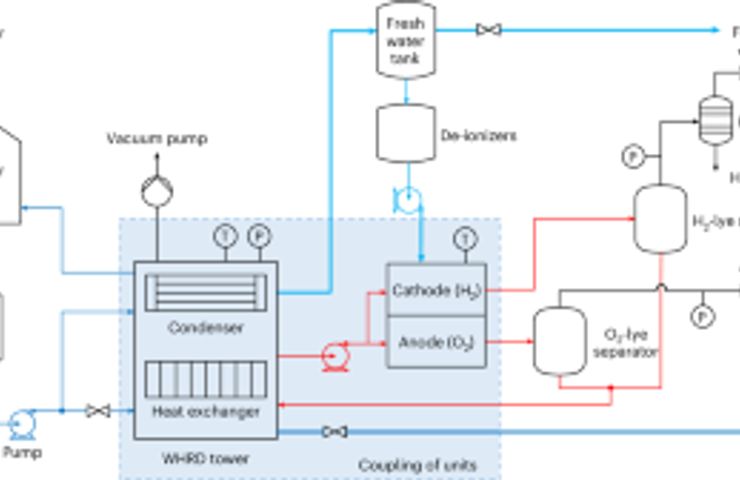
Kazakhstan has been busy shaking off its image as a fossil fuel stronghold. With enormous untapped renewable potential—think 1,820 billion kWh/year from wind and around 2.5 billion kWh/year from solar—the country is positioning itself as a future renewables powerhouse. The forthcoming Green Energy Complex will harness this potential through advanced electrolysis, using clean energy to split water and produce hydrogen. That hydrogen then heads into high-tech ammonia synthesis units—likely powered by a next-gen, green version of the Haber-Bosch process—to churn out green ammonia destined for export or domestic use in heavy industry.
But there’s more: the site will also be kitted out with long-duration energy storage, high-efficiency water purification, and integrated logistics hubs. That means round-the-clock operations, even when the notoriously harsh Kazakh winters roll in.
As Azamat Kozhanov, Deputy Chairman at Kazakh Invest, points out, this mega-project could go beyond export dollars—it might also jumpstart the modernization of Kazakhstan’s power and heating systems, especially in vital cities like Almaty.
Strategic Dynamics—and Samsung's Shadow
One name floating quietly in the background—but not officially on the dotted line just yet—is Samsung C&T. Though not an investor (for now), the electronics and infrastructure giant is being eyed as a potential offtake partner, hinting at a possible future in transporting or purchasing hydrogen and green ammonia for global markets. That kind of interest from a major global player strongly suggests that this project has the kind of scale—and staying power—that major buyers want in on.
Globally, the race is on to build out serious hydrogen infrastructure, and Kazakhstan just planted its flag. Countries everywhere—from Saudi Arabia’s massive NEOM venture to Australia’s H2Hub—are jumping into the fray, aiming to turn their ample wind and sun into serious export businesses. This deal gives Korea a firm early footing in Central Asia’s slice of the hydrogen economy—and positions Kazakhstan as a key launchpad.
Risks, Rewards, and Reality Checks
Of course, it’s still early days. The ink is dry on a framework agreement, but a lot of boxes remain unchecked: final investment decisions, detailed engineering, environmental sign-offs—you name it. Still, the very act of signing this agreement has already made waves, with ripple effects across energy, finance, and geopolitics.
What’s on the line? A lot. We’re talking major inflows of foreign direct investment, advanced technology transfer, thousands of potential jobs, and perhaps most significantly, meaningful momentum in Kazakhstan’s push toward industrial decarbonization. But it won’t be smooth sailing. Pulling together high-tech systems at this scale—especially in a region new to this level of hydrogen production—will take smart planning and top-tier execution.
Can YPP Pull It Off?
That’s the big question, right? Success here depends on how fast YPP Corporation can line up co-investors, secure offtake deals, and clear regulatory hurdles. But judging by the company’s recent push into global hydrogen infrastructure, they're not flying blind. South Korea’s broader playbook—like its forward-looking Green New Deal—shows a clear strategy: lead in renewable tech, and export that expertise worldwide.
If you asked Chairman Bek for a soundbite, it might go something like this: “We’re not just laying down hardware—we’re building a template for how clean ammonia and green hydrogen production can work on a global scale.”
And as Kazakhstan stakes its claim in this fast-growing energy arena, this partnership could be one of those pivotal moments—where energy superpowers of the future start taking shape.
Looking Ahead
So, what’s next? Expect key updates to roll out in 2026, from environmental filings to financial close. More interestingly, keep an eye out for firm offtake agreements—maybe even from Samsung C&T or other heavy hitters. The shift to green hydrogen isn’t guesswork anymore. The engines are running, and they’re headed straight into the heart of the Eurasian steppes.