Green Hydrogen Production and Metals Recycling Projects Advance in Huelva
Moeve’s Onuba green hydrogen project and Atlantic Copper’s CirCular metals recycling plant have mobilized about €1.55 billion in Huelva, combining renewable hydrogen production with critical-metals recovery to bolster Spain’s energy transition and circular-economy goals.
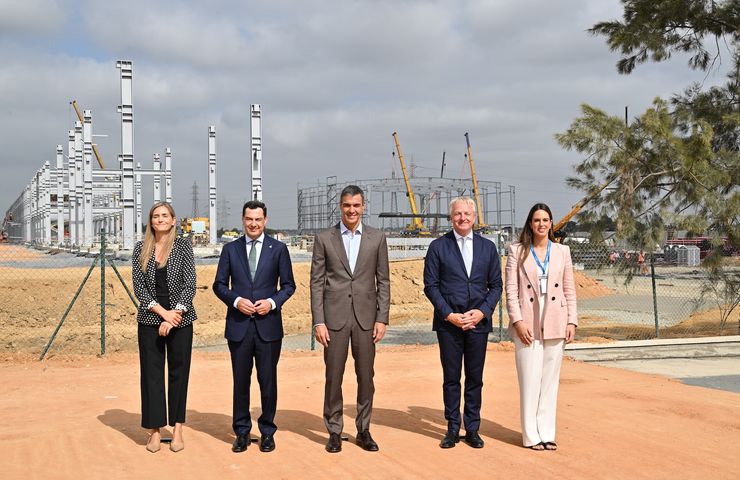
Moeve and Atlantic Copper are diving headfirst into some major industrial projects in Huelva, Andalusia. They’re rolling out the Onuba green hydrogen electrolysis facility, which aims to churn out renewable hydrogen, alongside the CirCular metals recycling plant, focused on recovering valuable metals from electronic waste. All in all, these efforts are pumping about €1.55 billion into the local economy and reinforcing Huelva’s status as a vital hub for industrial and energy transitions.
Key insights
- The Onuba facility will kick off with a solid 300 MW green hydrogen production capacity, with a possible expansion of 105 MW, aiming for 45,000 tons of low-emission hydrogen each year.
- CirCular is set to handle around 60,000 tonnes each year of WEEE-derived non-ferrous scrap, recovering copper, gold, silver, and other essential metals.
- The combined investment totals about €1.55 billion, which breaks down to over €1 billion earmarked for Onuba and roughly €550 million for CirCular, bolstered by EU and Spanish public funding.
- Both projects align with Spain's Circular 2030 goals and PERTE ERHA, holding strategic European designations aimed at smoothing out the permitting and financing processes.
Project details
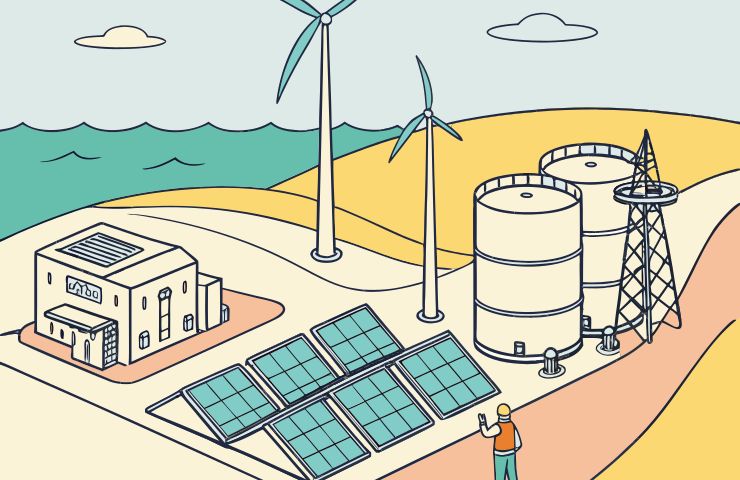
The Onuba facility, located at Energy Park La Rábida in Palos de la Frontera, marks the first step in building the Andalusian Green Hydrogen Valley. It will harness solar power from a dedicated photovoltaic array and the grid to run proton-exchange membrane electrolyzers. With an initial capacity of 300 MW, the goal is to produce up to 45,000 tonnes of green hydrogen annually. Public funding through PERTE ERHA contributes about €304 million, enhancing its feasibility. Should expansion happen, an additional 105 MW will depend on grid access and long-term agreements for selling hydrogen fuel and industrial feedstock.
The CirCular plant integrates into Atlantic Copper’s metallurgical complex in Huelva. It will take in pre-processed scraps from licensed WEEE handlers and employ hydrometallurgical and smelting techniques to recover valuable metals like copper, tin, nickel, palladium, platinum, silver, and gold. By connecting with the existing smelter, it can streamline the movement of recovered metals into refining and casting processes, which boosts efficiency in both logistics and quality control. Its designation by the European Commission spotlights its importance in enhancing the supply chains of critical materials.
Financing and partnerships
Moeve has secured strategic equity investment from Hy24 and COFIDES, with the two taking a 29% stake to help fund the costly procurement of electrolyzers. Atlantic Copper, which has been with Freeport-McMoRan since 1993, is financing CirCular internally while tapping into regional development grants for its circular-economy initiatives. Both companies believe that shared investment structures can lower sponsor risk and open doors for better debt financing options.
Environmental considerations
Onuba is projected to cut around 250,000 tonnes of CO₂ emissions each year once it’s fully operational. However, the water needs for electrolysis—scaled in several cubic meters per ton of hydrogen—pose challenges in the semi-arid climate of Andalusia. Meanwhile, CirCular boosts resource efficiency by redirecting hazardous e-waste away from landfills and reducing the dependency on virgin mining activities. They’re also installing advanced emissions controls and wastewater treatment systems to comply with EU and Spanish environmental standards.
Historical context
Huelva’s industrial legacy goes back to 1970 when its copper smelter first opened. Over the past fifty years, the province has transformed into a hub for metallurgy and chemical production, thanks in part to its deep-sea port connections. In an interesting twist, Cepsa—now known as Moeve—rebranded in 2024 to shift from oil refining to cleaner energy solutions, focusing on sustainable mobility, low-carbon fuels, and green hydrogen. With Onuba, they’re continuing a journey of progressive industrial transformation in southern Spain.
Market outlook
On a global scale, the demand for hydrogen is still on the rise—especially in refining, ammonia production, and new sectors like steelmaking and heavy transportation. The ups and downs in gas prices have actually made green hydrogen production look more appealing, and with high copper and precious metals prices, urban mining is looking pretty promising too. If these Huelva projects hit their targets, they could spark a wave of similar investments across Europe, creating hydrogen infrastructure hubs and large-scale recycling facilities.
Future challenges
There are a few hurdles to jump over, like grid connection capacity, which has been identified as a bottleneck since network operators are in the middle of upgrading substations and lines. Also, nailing down long-term contracts for green hydrogen requires clarity on pricing and regulations. As for CirCular, expanding their e-waste collection networks and ensuring quality feedstock are crucial for hitting their throughput targets. There have already been delays related to land use, water rights, and environmental permits—highlighting the need for smoother processes going forward.
Implications
- The standards set for green hydrogen production costs and metals recovery yields will inform future projects all over Europe.
- If these projects succeed, they may lure further investments in hydrogen fuel cell infrastructure and circular economy plants throughout Spain.
- Long-term sustainability hinges on stable policy support, transparent regulations, and viable offtake agreements in these developing markets.
As green hydrogen production and metals recycling shift from the drawing board into real-world execution in Huelva, the region is gearing up to be a prominent example of industrial decarbonization and resource circularity in Europe.