Green Hydrogen Production Advances at NEOM: 4GW Renewable-Powered Complex Nears Commissioning
A new 4GW renewables-powered green hydrogen and ammonia complex at NEOM in Saudi Arabia nears commissioning, aiming for up to 600 tonnes per day of production and 5 million tonnes of annual CO2 avoidance.
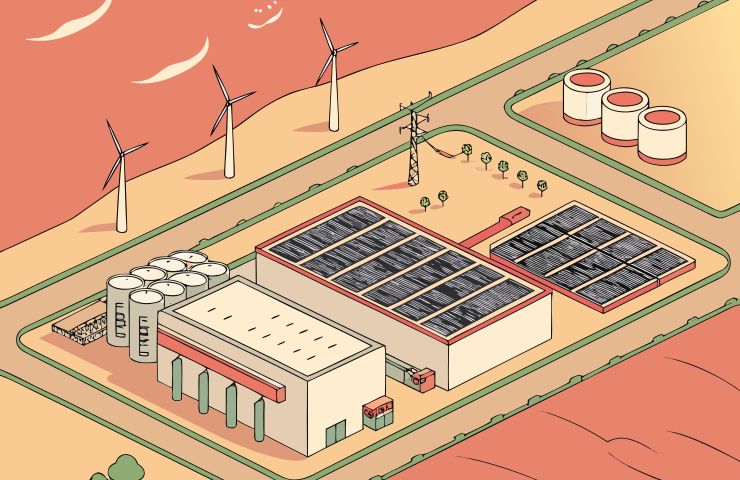
On the sun-drenched shores of Saudi Arabia’s Red Sea coast, a massive industrial facility is just about ready to shake things up in the world of hydrogen production. The NEOM Green Hydrogen Complex is gearing up to harness around 4 gigawatts of renewable energy—thanks to 257 onshore wind turbines and a huge solar farm—to push water through electrolysis and cook up around 600 tonnes of green hydrogen each day. This carbon-free fuel will be transformed into green ammonia right on-site and shipped off to markets in Asia and Europe via a specially designed marine jetty. As one of the largest hydrogen infrastructure projects out there, it's not just ambitious; it’s also a central player in Saudi Arabia’s plan to diversify its economy under Vision 2030.
From Vision to Reality
Born from the desire to move away from oil dependency, the NEOM Green Hydrogen Project is a partnership between NEOM, ACWA Power, and Air Products. They wrapped up financing in 2023 with a whopping USD 8.4 billion—a big milestone in the world of Islamic finance—and the construction work kicked off soon after. By early 2025, reports indicated that they were about 80 percent done, and by early 2026, that number climbed to around 90 percent. This project is tapping into the region’s fantastic wind resources and the intense sunlight of the Tabuk desert, proving that green hydrogen production isn’t just a dream; it’s becoming an industrial reality.
Powering the Electrolysers
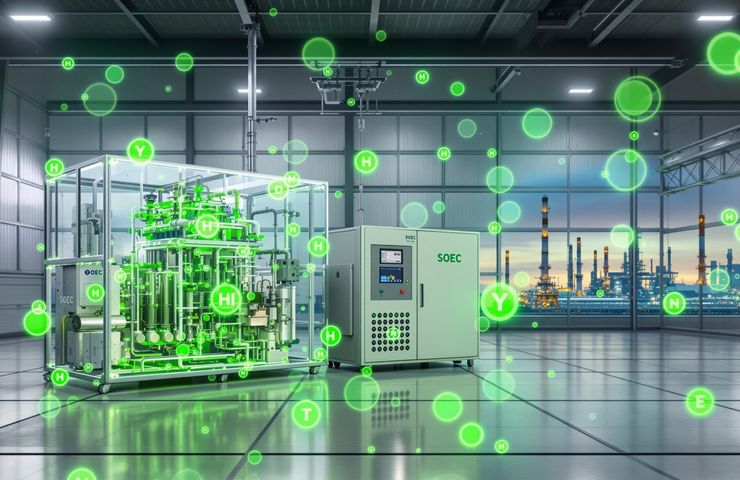
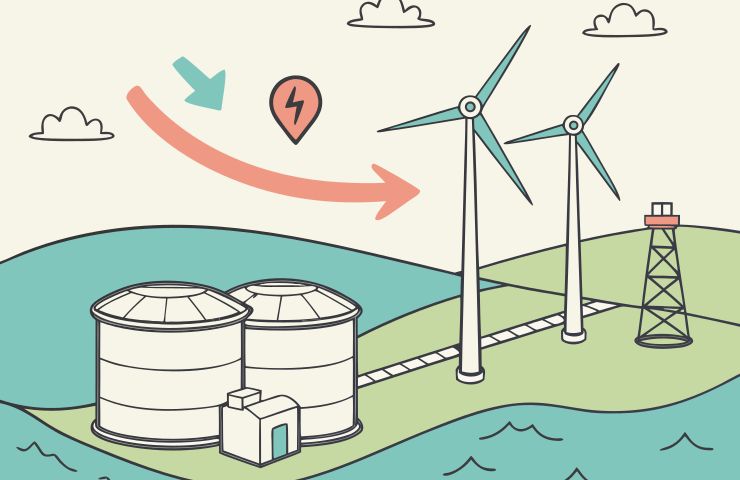
The facility's lifeblood lies in large arrays of water electrolysers that break down demineralized water into hydrogen and oxygen. These electrolysis modules are energized by a dedicated fleet of wind turbines and solar panels, with storage systems helping to smooth out any short-term fluctuations. By blending different renewable energy sources—like how onshore wind tends to be stronger at night and solar shines bright during the day—the plant can keep a steady flow of hydrogen coming out. This scale of green hydrogen production is pushing the operational controls to find the sweet spot between variable energy generation and electrolyser demand, all to maximize efficiency and uptime.
Green Ammonia Synthesis
Turning that green hydrogen into ammonia involves using the clean hydrogen in a Haber–Bosch synthesis loop. Nitrogen gets pulled from the air and combined with the hydrogen at high temperatures and pressures alongside an iron catalyst, resulting in ammonia that’s cooled, liquefied, and ready to be exported. Ammonia’s got the advantage of fitting right into existing shipping and storage systems, making it a smart choice for carrying hydrogen over long distances. Once it hits the destination markets, that green ammonia can be converted back into hydrogen for electricity generation or used in industries, though they’re keeping a close eye on energy loss during those conversion steps when looking at the whole lifecycle efficiency.
Peers and Competition
All over the globe, other big players in the green hydrogen scene are popping up—from Europe’s North Sea and Australia’s Pilbara to Chile’s Atacama Desert—but few can rival NEOM’s size and financial backing. The European Union is mapping out plans for several gigs worth of electrolysis plants under its renewable hydrogen strategy, while Australia is roping in investment for its coastal wind-and-solar projects. What sets NEOM apart is its mix of private investment, government support, and exclusivity agreements, making it both a commercial opportunity and a strategic asset in Saudi Arabia’s clean energy game.
Strategic Implications
For Saudi Arabia, this isn’t just about building something impressive; it’s a calculated move to tap into future markets for clean ammonia and green hydrogen. With Air Products locked in as the exclusive buyer, they’re setting up long-term agreements that should keep income flowing, even if the specifics of the contracts remain under wraps. If everything goes as planned, this could lead to new industries in the Oxagon industrial zone, like green steel or fertilizer production. Plus, the financing model they’re using might serve as a blueprint for future large-scale hydrogen projects, combining local investment with backing from regional and international banks.
Social and Environmental Dimensions
Supporters of the project emphasize that swapping out fossil-based hydrogen or ammonia could help prevent around 5 million tonnes of CO2 emissions each year. But, building a huge facility in a desert coastal area comes with its own set of challenges: water needed for electrolysis and cooling is sourced through desalination, land development can disrupt local ecosystems, and renewable installations might interfere with wildlife habitats. On the social side, the wider NEOM development has drawn criticism for allegedly displacing local communities, including the Howeitat tribe. Rights groups have reported instances of forced evictions and penalties for those who resist, raising important questions about balancing rapid low-carbon infrastructure growth with social justice.
What Comes Next?
As of mid-2026, they’re reporting that the construction site is about 90 percent finished, with commissioning expected by the end of the year. Hydrogen production is likely to tap into its full potential gradually, aiming for that big output of up to 600 tonnes per day. If this project takes off, it could spark a global interest in green hydrogen production hubs, especially in sunny or windy regions. However, the project’s success will be closely tied to global energy prices, changing sustainability standards in import markets, and the competition from other low-carbon options like blue hydrogen with carbon capture or direct electrification strategies.
In the end, the NEOM Green Hydrogen Complex stands at a crossroads of technology, finance, and geopolitics. It’s testing whether green hydrogen can make the leap from being a pilot project to a widely traded commodity and whether massive renewable integration can yield reliable, cost-effective results. How it performs could shape investor confidence, policy creation, and future strategies for the next generation of hydrogen infrastructure—both in Saudi Arabia and beyond. As the world strives to cut emissions in heavy industry and shipping, the insights gained at NEOM might just set the stage for cleaner energy systems worldwide.