Iberdrola and bp to boost hydrogen production in Castellón
Iberdrola and bp are exploring boosting green hydrogen output in Castellón, using €211 million in EU support to power electrolysers with solar and wind, cutting emissions and creating local jobs.
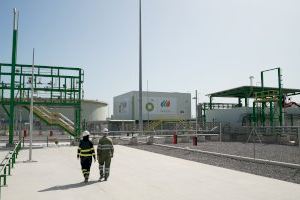
Iberdrola and bp are teaming up to kick off an exciting new project aimed at boosting green hydrogen production in Castellón. This initiative perfectly aligns with Spain’s Hydrogen Roadmap and the EU’s climate goals. What’s the game plan? They’re looking to combine big electrolysis units with renewable energy sources to churn out hydrogen for local industries and transportation needs. They’ve even managed to secure around €211 million in public funding through the EU’s IPCEI Hy2Use framework. By exploring ways to expand beyond their initial design, they’re set on meeting the rising demand and solidifying Spain's role in the booming clean hydrogen market and industrial decarbonization efforts.
Breaking Down the Tech
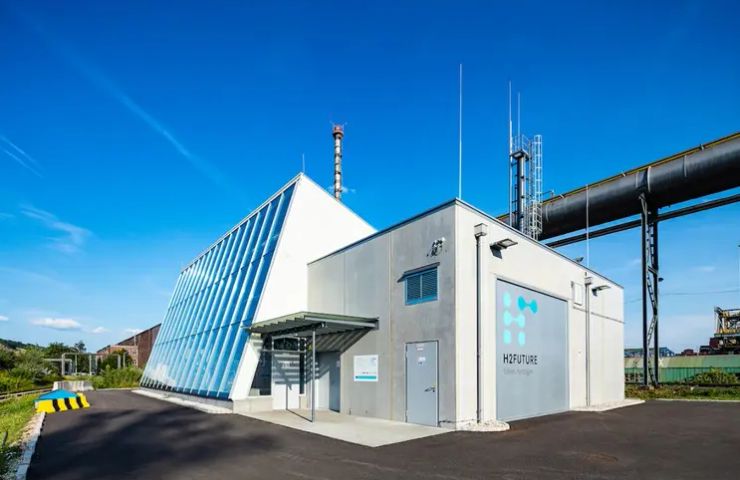
At the heart of this Castellón project is electrolysis, a pretty impressive method for producing green hydrogen. Here’s how it works: renewable electricity comes into play, splitting water into hydrogen and oxygen. Basically, when solar panels or wind turbines power proton exchange membrane (PEM) electrolysers, they produce pure hydrogen without any nasty carbon emissions. These modular systems can adjust their production based on weather conditions and grid demands, which means they offer a lot of flexibility. And with smart digital control systems optimizing everything to match supply with demand, the hydrogen produced is dried, compressed, and stored for future use. It’s a great showcase of how modern infrastructure can take advantage of renewable power and electrolysis to drive hydrogen production.
Addressing Real-World Challenges
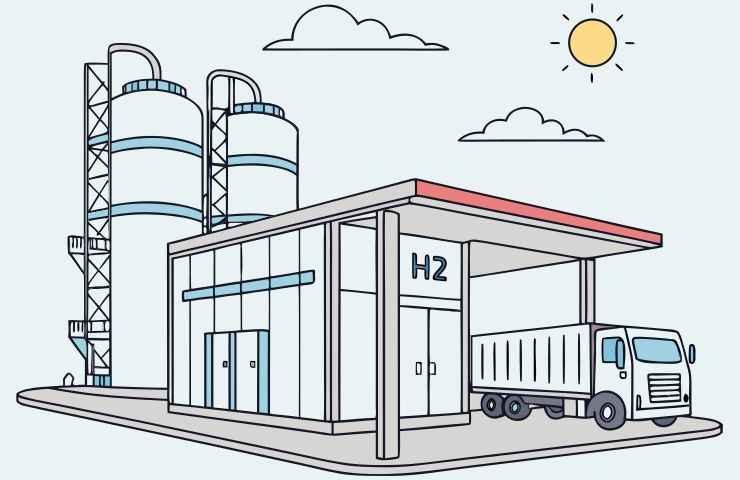
This partnership is all about tackling real-world challenges in sectors like petrochemicals, ceramics, heavy transport, and even emerging green data centers. Right now, many local industries in Castellón depend on fossil fuels for hydrogen in their refining and manufacturing processes. By making the switch to green hydrogen, they can significantly cut greenhouse gas emissions and reduce pollutants in the air, which is a win for community health. Plus, in the transport sector, hydrogen fuel cell trucks and buses will have nearby access to hydrogen, paving the way for zero-emission logistics around the Port of Castellón. They’re also working on hydrogen refueling stations to boost the rollout of hydrogen vehicles, which should help solve range issues thanks to longer refueling options.
Made for Spain’s Future
What’s really neat about this Castellón initiative is its focus on local impact. There’s a strong “made in Spain” vibe here. Local universities and engineering firms are set to collaborate on research and development, with plans for regional manufacturing hubs to produce everything from electrolyser stacks to storage tanks. This approach is all about accelerating deployment and reducing costs through economies of scale. Castellón, home to around 176,000 residents with a per capita income close to $29,000, stands to benefit from the creation of hundreds of skilled roles in operations, maintenance, and research. Plus, with the Port of Castellón serving as a potential export hub, there’s a real chance to ship surplus hydrogen or its derivatives to other Mediterranean markets, boosting Spain’s clean energy exports.
Local Economic Boost
This new facility is set to give a real jolt to the Castellón economy. Local contractors will get involved in construction, benefiting civil works, electrical installation, and logistics companies. Once the plant is up and running, it’s going to need technicians, operators, and support staff—creating long-term, well-paying job opportunities. They’re also planning training programs and technical apprenticeships in partnership with vocational schools to develop a skilled workforce. Plus, suppliers of valves, sensors, membranes, and other control systems will see a boost, creating a robust domestic supply chain for electrolysers. For local governments, the project promises higher tax revenues and public-private partnerships, paving the way for a more resilient economy beyond the traditional fossil fuel industries.
Creating a Hydrogen Hub
The Castellón project is leveraging the region’s abundant sun and wind to establish a local hydrogen hub. Thanks to the IPCEI Hy2Use initiative, both EU and national authorities are co-financing strategic setups that link renewable energy sources, electrolysis plants, storage facilities, and demand from local industries. This coordinated effort is designed to reduce the risk associated with large investments while establishing safety standards and guidelines for materials used in pipelines. Future plans include high-pressure storage tanks and a pipeline extension to nearby refineries, facilitating direct hydrogen supply or blending with natural gas. By pooling knowledge and resources, the partners are laying the groundwork for a strong hydrogen infrastructure that could lead to groundbreaking green hydrogen developments across Spain and Europe.
Environmental and Energy Security Gains
Switching to green hydrogen could have massive environmental benefits. By transitioning away from fossil-based hydrogen, the plant could potentially slash CO₂ emissions by tens of thousands of tonnes annually—kind of like taking thousands of gas-guzzlers off the roads! On top of that, reducing reliance on fossil fuels means fewer particulate emissions, which helps improve urban air quality and overall public health. And let’s not forget that locally produced hydrogen boosts energy security, lessening vulnerability to price fluctuations in imported natural gas. In today's unpredictable energy landscape, this project enhances Castellón’s resilience and supports the increasing demand for clean hydrogen news that showcases real climate benefits.
Looking Forward
With the initial plans in the bag, Iberdrola and bp are now exploring how much additional capacity the Castellón facility could take on. They believe that ramping up production is very much on the table as they secure offtake agreements with refineries, chemical plants, and transport operators. If all goes well, Castellón could serve as a model for similar projects popping up in Andalusia, the Basque Country, and other industrial regions in Spain. In the long run, green hydrogen might fuel new ammonia synthesis units, synthetic fuel plants, and support clean shipping, tapping into maritime routes throughout the Mediterranean. This versatile energy carrier also has the potential to enhance hydrogen refueling stations and aid hydrogen data centers during peak demand times.
Paving the Way for a Cleaner Future
This collaboration between Iberdrola and bp is a shining example of how established energy companies can join forces to push the clean hydrogen economy forward. By harnessing cutting-edge electrolyser technology, strategic EU funding, and local know-how, the Castellón initiative is laying a solid foundation for industrial decarbonization. Early lessons from this project will help lower costs and boost efficiency in equipment, while clear reporting guidelines under the IPCEI Hy2Use ensure everything stays transparent and accountable. As green hydrogen production ramps up, initiatives like this one will not only tackle pressing real-world problems but also create jobs and cut emissions—ultimately fueling a more sustainable and resilient future for Spain and beyond.