Graphmatech Secures €2.5M EU Grant to Scale Graphene Hydrogen Storage Tech in Sweden
Graphmatech secures €2.5M from EU to scale graphene-based hydrogen storage lining in Sweden, aiming to cut leakage by 83% and expand production to 200 tonnes annually—with support from Levidian and the Swedish Energy Agency.
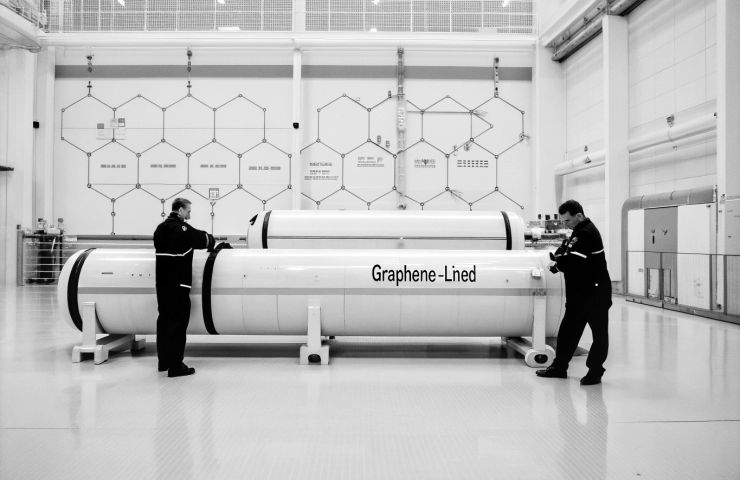
Graphmatech, a Swedish startup making waves in hydrogen storage innovation, just secured a hefty €2.5 million grant from the European Union. The funding will enable the company to ramp up production of its breakthrough polymer-graphene composite lining, a material that could seriously cut down hydrogen leakage in storage and transport. The plan is to get a modular production and testing facility up and running at their Uppsala HQ by mid-2025.
A Big Leap in Hydrogen Containment
At the center of this effort is a smart piece of tech called AROS Polyamide-Graphene. The name might sound complex, but the idea is simple: take graphene—which is incredibly strong and practically impermeable—mix it into polyamide, and you've got a super tough, high-performance barrier. Compared to the polymers currently being used across the industry, this stuff reduces hydrogen emissions by as much as 83%. That means cleaner operations, safer systems, and less wear and tear—without having to scrap or redesign your whole setup.
The best part? It’s a straightforward retrofit. These liners can slide into existing tanks, pipelines, and containers with barely a blip in ongoing operations. That's important, because hydrogen is notorious for sneaking through standard materials and slipping into the atmosphere—where it actually has about twelve times more warming potential than CO₂ over a century. So, cracking the containment issue is key to making sustainable energy systems actually deliver on their emissions promises.
From Lab to Factory Floor
This isn’t just a cool lab experiment anymore. The new pilot facility in Uppsala kicks off a major shift toward real-world production. With an extra boost of SEK 10 million from the Swedish Energy Agency, Graphmatech is scaling up from making 5 tonnes of material a year to 200 tonnes. That’s a massive leap—and one that lines up with rising demand across industries, from hydrogen mobility and container systems to niche uses in industrial packaging that need high-performance barriers.
The tech is already being teed up for deployment. By 2027, the company expects its lining material to be in service in around 1,500 commercial vehicles, covering everything from delivery vans to heavy-duty freight trucks. It’s a solid proving ground to show that this stuff works not just in labs, but out on the road.
Strategic Partnerships Driving Scale
Graphmatech’s growth story is closely tied to broader moves in EU decarbonization policy, where hydrogen infrastructure is becoming a central pillar. But producing clean hydrogen is only half the battle—you need reliable ways to store and move it. That’s where this project steps in.
A big part of the strategy is a partnership with Levidian, a UK-based cleantech firm that produces both hydrogen and graphene from methane through its patented LOOP process. The cool part? The graphene spun out as a byproduct from Levidian’s hydrogen production becomes the key ingredient in Graphmatech’s lining material. So you’ve got a self-reinforcing, low-impact supply chain that’s pumping out clean hydrogen and the tech to keep it under control—all while slashing emissions up and down the process.
Closing the Loop on Clean Hydrogen
The reality is, hydrogen’s green credentials depend a lot on how well it’s handled. If it leaks, it undermines the whole low-carbon pitch. But this new class of graphene-reinforced linings could flip that script—offering a fix that doesn’t demand massive hardware replacements. Think surgical upgrade, not open-heart surgery.
That said, scaling up graphene hasn’t exactly been a cakewalk for most in the industry. It’s expensive, tricky to produce consistently, and a pain to scale. But Graphmatech’s model—blending regional R&D powerhouses like Uppsala with smart international collaborations and public funding from the EU and Swedish Energy Agency—could be the playbook to watch.
The Bigger Picture
This isn’t just about fancier materials—it’s about making the whole hydrogen economy more solid and dependable. By fixing the quiet but critical problem of hydrogen escaping into thin air, Graphmatech is laying the groundwork for something bigger. Every pipeline, every storage tank, every vehicle that keeps its hydrogen where it belongs is a small win for industrial decarbonization.
As fuel cell vehicles hit the highways, electrolyzers go online, and the net-zero race heats up, this kind of behind-the-scenes infrastructure work may turn out to be the real game-changer. Because when it comes to sustainable energy, sometimes the most important tech is the stuff you don’t even see.