Gas Malaysia and Air Liquide to Explore Low-Carbon Hydrogen, Bio-LNG and CO2 Off-Take in Malaysia
Gas Malaysia Berhad and Air Liquide Engineering & Construction signed an MoU at Gastech 2026 to explore low-carbon hydrogen, Bio-LNG and CO₂ off-take projects in Malaysia. The agreement sets a framework for feasibility studies but does not commit to specific investments or construction.
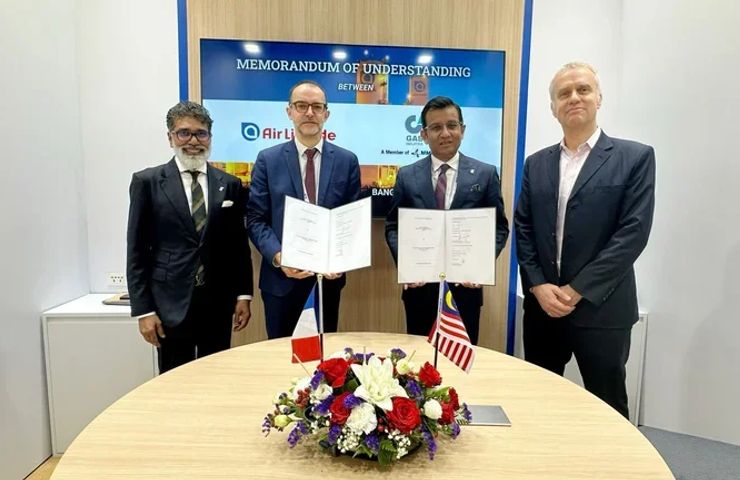
At Gastech 2026 in Bangkok, Gas Malaysia Berhad and Air Liquide Engineering & Construction signed a memorandum of understanding to dive into some potential energy-transition projects in Malaysia. Their main focus? Low-carbon hydrogen, Bio-LNG, and CO2 off-take options.
This agreement sets up a framework to explore whether industrial customers, along with the existing infrastructure and market conditions, can really support different lower-carbon solutions. It's important to note that this isn’t about committing to an investment or a finalized construction plan just yet.
Strategic Rationale
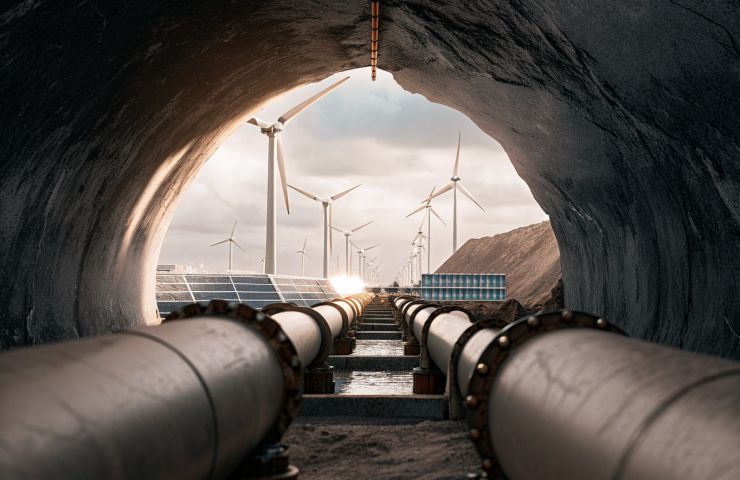
This partnership really plays to the strengths of both companies. Gas Malaysia is broadening its horizon beyond just natural gas distribution with its GM32 strategy. Their network already stretches over 2,800 kilometers, serving up more than 1,000 industrial customers, 1,900 commercial ones, and around 21,000 residential connections. Now, they’re stepping into the world of renewable gas and hydrogen. On the flip side, Air Liquide Engineering & Construction comes to the table with decades of engineering prowess and unique technologies in areas like autothermal reforming, steam-methane reforming, electrolysers, and more. By joining forces, these companies aim to tackle the technical and commercial challenges that come with industrial decarbonization.
Inside Gas Malaysia’s Strategy
So, what's this GM32 strategy all about? It’s about strengthening their core gas operations and expanding into renewable and low-carbon sectors. The MoU marks a significant step in this journey, integrating their existing pipeline assets, customer ties, and commercial expertise to explore alternative fuels. With Gas Malaysia's established network, they could potentially cut down on the time and cost usually needed to kickstart hydrogen or Bio-LNG supply chains from the ground up.
Air Liquide’s Technical Edge
Air Liquide Engineering & Construction has a solid global reputation for turning out successful industrial gas projects. Their portfolio showcases integrated setups combining autothermal reforming, their proprietary Cryocap™ H₂ CO₂ capture technology, air separation units, and cryogenic hydrogen liquefiers. This wide-ranging experience means they can offer insights into optimized plant designs, efficient heat integration, and modular setups that fit Malaysia’s needs perfectly. Especially with those modular electrolysers, they could be conveniently located near industrial sites, cutting down on transport and compression costs.
Technical Paths Under Review
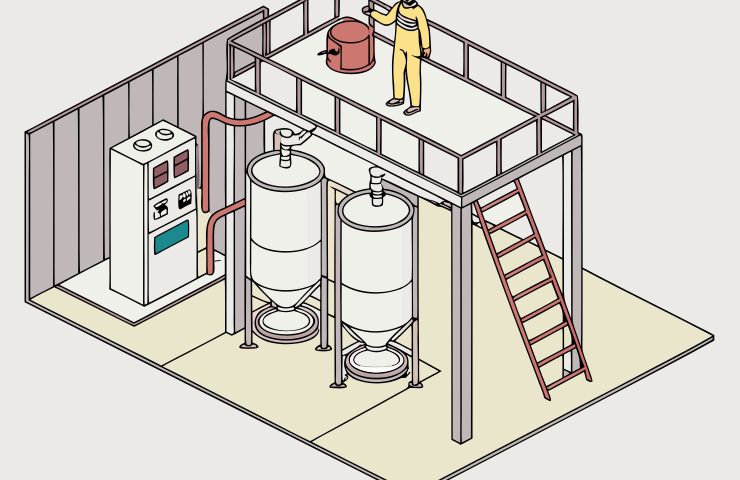
The MoU encompasses a variety of hydrogen production routes. In a typical electrolysis setup, electricity is used to split water into hydrogen and oxygen. The environmental impact here really depends on the carbon footprint of the power source. Alternatively, they’re looking at steam-methane reforming or autothermal reforming of natural gas to create synthesis gas, which can then be refined into hydrogen while applying CO₂ capture to minimize lifecycle emissions. Both approaches could incorporate pressure-swing adsorption to ensure the hydrogen achieves high purity levels.
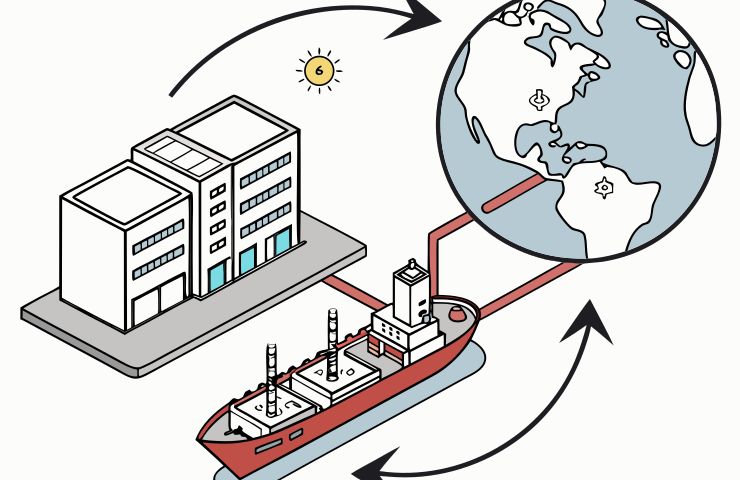
Then there’s Bio-LNG on the agenda. This process involves upgrading biogas from organic waste or sustainable materials into biomethane, which is then cooled down to cryogenic temperatures for storage and transport, resembling conventional LNG. How green this process is will largely depend on where the feedstock comes from, how effectively they control methane leakage, and what energy is used for liquefaction.
The agreement also looks at CO₂ off-take arrangements. This involves compressing and liquefying captured carbon from industrial facilities before sending it off to users or storage operators. Unlike permanent geological storage, true emissions reduction here would require a transparent transport chain, monitoring, and long-term management of the delivered CO₂.
Policy and Market Context
These exploratory projects fit right in with Malaysia’s National Energy Transition Roadmap and the Hydrogen Economy and Technology Roadmap that were rolled out by the Ministry of Economy and the Ministry of Science, Technology, and Innovation in 2023. These roadmaps spotlight hydrogen, bioenergy, and CCUS as critical leverage points, suggesting the establishment of initial low-carbon hydrogen hubs by 2030—particularly in Sarawak—and setting the stage for a comprehensive domestic hydrogen ecosystem that covers everything from production to demand, safety standards, and certification. By engaging with industrial customers through Gas Malaysia’s existing pipeline connections, this MoU could help turn those policy goals into actionable pilot studies.
Economic and Environmental Considerations
The details on scale and cost for each option are still on the table. Low-carbon hydrogen plants that use reforming typically have steep initial costs, but they benefit from established gas suppliers. On the other hand, electrolyser projects are more flexible at smaller scales, yet they rely heavily on the availability of renewable power at competitive prices. Plus, Bio-LNG has the potential to tap into value from agricultural and municipal waste, but its practicality hinges on efficient waste collection and managing methane emissions. And let’s not forget, any credible claims about emissions reductions will need transparent lifecycle assessments, independent verification, and strong carbon accounting practices in place.
Next Steps and Risks
As they move forward, both sides will conduct in-depth feasibility studies to evaluate feedstock availability, grid and pipeline readiness, customer needs, and regulatory aspects. Key decisions will revolve around selecting a hydrogen production method, securing sustainable biogas sources, defining carbon-intensity standards, and finalizing firm off-take agreements. No project financing or specific site locations have been announced just yet, and the choice of hydrogen pathways will definitely influence the trade-offs between cost, energy efficiency, and emissions outcomes.
There are risks to consider too. Hydrogen projects utilizing reforming may face challenges with upstream methane leaks and leftover CO₂ emissions if capture rates aren’t up to par with industry standards. At the same time, electrolysis efforts might struggle to get access to dedicated renewable energy at a competitive price. Bio-LNG supply chains will need solid feedstock certifications to dodge any unintended impacts on land use or issues with double-counting renewable traits. And just capturing carbon doesn’t automatically guarantee it stays out of the atmosphere, as the responsibility for that lies with whoever uses or stores the CO₂.
Industry Implications
Even though this is still in the conceptual phase, the MoU signals to Malaysia’s industrial players that lower-carbon gas options could soon be on the table. Local manufacturers, power plants, and petrochemical operations might start exploring how hydrogen blends, biomethane, or captured CO₂ fit into their plans. This also highlights a larger trend of distribution utilities shifting from relying solely on natural gas to offering more valuable energy services.
On a broader scale, this initiative is in line with other Southeast Asian efforts aiming to create hydrogen hubs and regional supply chains. However, it’s more of a feasibility partnership at this point rather than a binding agreement for off-take or funding. The decisions on final investments will depend on changes in global supply chain costs, timelines for domestic permits, and any emerging incentives such as carbon credits or tariffs that reflect carbon intensity.
Outlook
If the feasibility studies show favorable outcomes and there’s clarity in regulations—especially concerning hydrogen blending, pipeline fees, and CO₂ transport permits—this exploratory MoU could progress to pilot plants by the early 2030s. That timeline aligns nicely with Malaysia’s aspiration of setting up its first low-carbon hydrogen hub by 2030, paving the way for more extensive regional supply chains.
For the time being, the Gas Malaysia–Air Liquide MoU lays an exciting groundwork for what’s next in Malaysia’s journey toward industrial decarbonization. As these feasibility studies roll out, the burning question will be whether these proposed projects can achieve financially viable economics while ensuring tangible emissions reductions, effectively transforming policy dreams into real, competitive, lower-carbon energy options for Malaysian industries.