EU Approves €103M Dutch Scheme to Advance Hydrogen Infrastructure and Renewable Methanol Shipping
The European Commission approved a €103 million Dutch scheme to fund renewable hydrogen and methanol vessels in short-sea shipping, supporting EU decarbonisation and port infrastructure development.
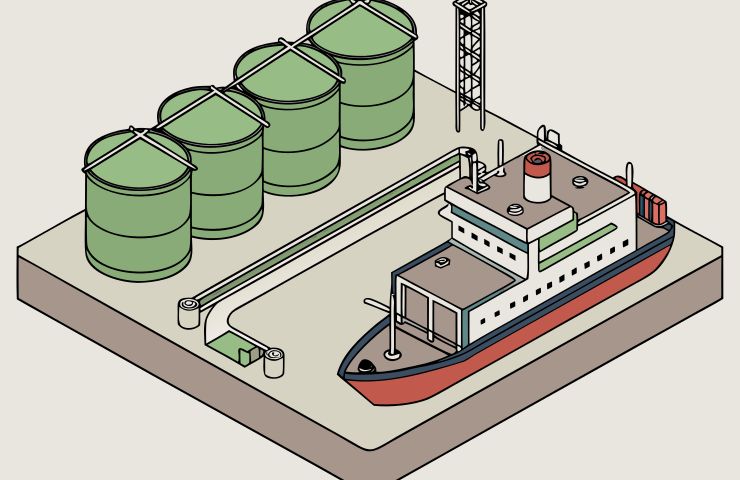
The European Commission just gave the green light to a solid €103 million Dutch state aid scheme aimed at boosting zero-emission vessels navigating the North Sea’s short-sea routes. This funding is set to support the construction of new ships and the retrofitting of existing passenger, cargo, and work vessels to run on renewable hydrogen and renewable methanol between 2027 and 2031. Pretty exciting, right?
The goal here is to tackle those hefty upfront costs associated with alternative fuel systems, like specialized engines, storage tanks, and necessary safety equipment. This direct grant scheme will help bridge the investment gap that’s been slowing down large-scale adoption. Plus, shipowners will get to compete in a fair and open process managed under EU State aid rules.
This initiative is in sync with the Dutch Ministry of Infrastructure and Water Management’s broader agenda for clean shipping, which also includes a whopping €230 million subsidy for inland vessels using electric, hydrogen, or methanol propulsion, along with a €210 million Maritime Masterplan funded by the National Growth Fund. The early rounds have already backed projects like hydrogen-powered push tugs and methanol retrofits, laying the groundwork for scaling up exciting new projects.
With its extensive network of inland waterways and Europe’s largest port located in Rotterdam, the Netherlands is perfectly positioned to lead the charge in maritime decarbonization. Short-sea shipping plays a huge role in regional freight and passenger transport, and moving more traffic to low-emission vessels could significantly ease congestion on the roads while helping cut greenhouse gases, all in line with the EU’s NAIADES III strategy.
Technical Focus: Renewable Methanol as a Marine Fuel
Renewable methanol is made by synthesizing hydrogen—produced using renewable electricity—with captured CO₂ into a liquid fuel. This fuel is compatible with modified internal combustion or dual-fuel engines. The best part? It doesn’t emit any sulfur oxides and significantly reduces particulate matter and nitrogen oxides compared to heavy fuel oil. Operators can switch between methanol and marine gas oil, which makes transitioning a bit smoother as the bunkering infrastructure builds up.
Now, methanol’s energy density is about two to three times lower than marine gas oil, so ships will need larger tanks to maintain their range. It’s also crucial that tanks, piping, and engine components are made from methanol-resistant materials to prevent corrosion. Plus, crews will need proper training to handle the fuel’s toxicity and low flashpoint safely. Fortunately, the Dutch scheme has explicitly included funding for engine modifications, tank coatings, and safety training.
Engine manufacturers are rolling out dedicated methanol platforms and dual-fuel systems, with dual-fuel engines offering some flexibility. If bunkering gaps pop up, vessels can fall back on conventional fuels. While pure-methanol engines maximize the emission benefits, they do require more extensive safety systems. Grants will be awarded based on the technical feasibility and environmental performance of these systems.
On the supply side, planned expansions in the Rotterdam industrial cluster will connect offshore wind-powered electrolyzers to carbon capture hubs. This linkage will create a green hydrogen and CO₂ feedstock supply chain for onsite methanol synthesis. The timing of this state aid scheme aligns perfectly with those developments, helping secure marine offtake agreements essential for investment in a circular carbon economy.
Scalable Renewable Hydrogen Propulsion
Vessels harnessing renewable hydrogen can utilize fuel cells or modified combustion engines. Fuel-cell systems transform hydrogen into electricity and water, leading to zero local emissions, while hydrogen combustion engines may need selective catalytic reduction to manage nitrogen oxides. Both pathways align well with the upcoming emissions limits under the EU’s FuelEU Maritime rules.
Onboard storage of hydrogen can use high-pressure tanks (350–700 bar) or cryogenic storage at –253 °C. Each method requires strict safety measures; considering hydrogen’s wide flammability range and low ignition energy, advanced leak detection and ventilation along with specialized materials are a must to avoid issues like embrittlement. By helping cover part of these upfront costs, the scheme is reducing the barriers for early adopter projects.
Renewable hydrogen supply in the Netherlands is on track to expand, with government auctions expected to stimulate plans for over 2 GW of electrolyzers by 2030. Helping secure vessel conversions under this grant means producers can align capacity with guaranteed demand, thus minimizing market risk and enhancing project bankability.
We’ve already seen small-scale hydrogen refueling trials at inland ports proving successful with shore-side infrastructure models. Adapting similar designs at coastal terminals could enable a continuous flow of short-sea operations, as long as ports invest in compliant storage zones in line with the EU Alternative Fuels Infrastructure Regulation.
Policy Framework and Compliance
Before giving their approval, the Commission carefully reviewed the scheme under the 2022 State Aid Guidelines on Climate, Environmental Protection and Energy (CEEAG). The proposal clearly tackled high CAPEX barriers, offered grants through competitive calls, laid out clear technical and sustainability criteria, and had clawback provisions in place if projects fall short.
Beneficiaries will need to keep tabs on the type and volume of fuel used and track lifecycle emissions to comply with EU’s Renewable Energy Directive II and FuelEU Maritime benchmarks. This kind of monitoring ensures that supported vessels are genuinely contributing to measurable greenhouse gas reductions and aren’t just relying on transitional or low-carbon solutions.
Industry Implications and Market Dynamics
For shipowners, this scheme takes a lot of the risk out of investing in alternative fuel systems, easing the path to early compliance with stricter emissions standards. Engine manufacturers and material suppliers will get clearer demand signals, which will help them scale production and innovate their engine and tank designs.
Ports stand to benefit by upgrading their bunkering infrastructure, from retrofitting existing pipelines to installing hydrogen compressors and methanol storage tanks. We might even see public-private partnerships forming to share costs, drawing on financing models that have worked for LNG terminals but tweaking them to fit the safety and environmental needs of hydrogen and methanol.
Fuel producers will have the advantage of secured off-take volumes, which will be key for financing expansions of electrolyzers and carbon capture installations. As production ramps up, the costs associated with green hydrogen and methanol should gradually decline, making these clean marine fuels even more competitive with fossil alternatives.
Maritime insurers and lenders are keeping a close eye on these pilot deployments. Early data on safety, operational reliability, and maintenance will refine risk models, potentially leading to lower insurance premiums and borrowing costs for zero-emission fleets.
Challenges and Risks to Monitor
Ensuring the integrity of renewable feedstocks is crucial; if the pathways for methanol or hydrogen become reliant on fossil-based inputs, the environmental perks go right out the window. Certification of CO₂ sources and transparent electricity accounting are pivotal for maintaining credibility.
We also need to be aware that rapid growth in the fuel supply chain might outpace the standardization of tanks, piping, and safety protocols. Delays in crew training, approvals from classification societies, or port permits could bottle things up, which emphasizes the importance of coordinated planning among regulators, operators, and infrastructure providers.
Strategic Outlook
This €103 million Dutch scheme is a prime example of how targeted public support can help clear the path for maritime decarbonization. By converting vessels to renewable methanol and renewable hydrogen, the Netherlands is set to glean operational insights and safety standards that could guide broader EU policy and industry practices.
As the first recipients of these grants kick off their vessel conversions, stakeholders will be watching closely to see if the bunkering infrastructure, regulatory alignment, and supply-chain readiness come together smoothly. A successful outcome could pave the way for achieving the European Green Deal’s ambitious goal of slashing transport emissions by 90% by 2050, possibly setting the stage for other Member States and global shipping hubs to follow suit.