Environmental and EJ Groups Challenge Green Hydrogen Infrastructure Plan at LA’s Scattergood Plant
Environmental and justice groups sue Los Angeles over CEQA review of Scattergood’s $800 million hydrogen-ready retrofit, citing health, NOx and water risks.
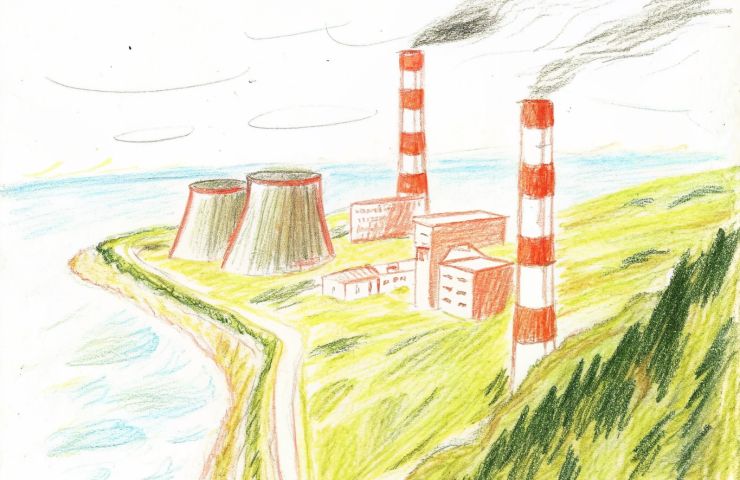
A coalition featuring several environmental and justice organizations has taken the City of Los Angeles to court, disputing the recent approval of a plan by the Los Angeles Department of Water and Power (LADWP) to upgrade the Scattergood Generating Station. They’re pushing back against the retrofit, which aims to turn the facility into a hydrogen-ready combined-cycle plant. The group includes well-known advocates like Food & Water Watch, Physicians for Social Responsibility – Los Angeles (PSR-LA), the Sierra Club, Communities for a Better Environment, and Los Angeles Waterkeeper. Their main concern? They believe the modernization plan is overlooking critical health, air quality, and climate protections.
The lawsuit focuses on what the coalition claims are gaps in the environmental review that took place under the California Environmental Quality Act (CEQA). LADWP is seeking around $800 million from ratepayers to replace two old steam units with a new system designed to burn a blend of 70% methane and 30% hydrogen. The city and LADWP have pitched this project as a major leap toward achieving 100% carbon-free energy by 2035, even positioning it as a front-runner in the development of hydrogen infrastructure across California.
Technical Deep Dive: Hydrogen–Methane Co-Firing
So, what’s actually happening with this combined-cycle configuration? It involves a gas turbine that generates power by burning a mix of compressed air and a combination of natural gas and hydrogen. The hot exhaust drives turbine blades for electricity generation, while a heat recovery steam generator turns waste heat into steam to power a secondary turbine. By designing the turbine to handle up to 30% hydrogen initially, the plan aims to cut CO₂ emissions compared to burning straight methane. However, turbine parts like burners and piping need to be made from materials that can handle hydrogen’s unique characteristics to avoid issues like embrittlement and ensure stable flames.
But here's the catch: hydrogen burns differently than methane. Its higher flame speed and temperature can actually lead to increased formation of nitrogen oxides (NOx). Standard dry low-NOx (DLN) burners are designed to limit emissions for natural gas, but they could face issues like flashback or incomplete combustion when hydrogen levels are high. To stay within the regulatory limits set by the South Coast Air Quality Management District, the project plans to implement selective catalytic reduction (SCR) downstream. Still, the effectiveness of SCR at these high hydrogen blends hasn’t been proven on a large scale, raising concerns about real-world air quality for nearby communities.
The vision for generating green hydrogen at the plant involves using water electrolysis powered by renewable energy. Through this process, electrolyzers split water into hydrogen and oxygen, consuming about 50–55 kWh of electricity to produce one kilogram of hydrogen. Advocates argue that it’s only hydrogen generated from dedicated renewable sources that can truly be considered green, steering clear of reliance on renewable energy credits. On top of that, environmental groups are worried about the project’s potential water consumption, with estimates from Food & Water Watch suggesting that a broader hydrogen hub in Los Angeles could need more than 1.5 billion gallons of water yearly, which raises further concerns about sustainable resource management.
Getting that 30% hydrogen blend needs some serious infrastructure work, including a dedicated blending skid and a robust fuel delivery network. Upgrades will involve hydrogen compressors, flow measurement systems, and storage tanks that are compatible with hydrogen. Even small leaks can pose significant risks, affecting safety, efficiency, and climate impacts. Undetected hydrogen leaks could raise local concentrations, potentially causing dangerous situations in burners or contributing to indirect warming due to extended methane lifetime in the atmosphere.
Health and Justice Impacts
Communities near the Scattergood Generating Station, such as Inglewood, Hawthorne, and Lennox, already face some of the worst air quality in the nation. PSR-LA has pointed out that the extra NOx from burning hydrogen could worsen ozone levels, leading to more asthma and other respiratory issues. Noise, explosion risks, and the burden of additional pollution have surfaced as key claims in the lawsuit, asserting that the City didn’t fully analyze the health impacts on vulnerable communities.
The coalition’s legal filings argue that the environmental impact report (EIR) didn’t sufficiently explore alternatives like long-duration battery storage or replacing units with simple-cycle peakers, which could provide reliability without the dangers of more combustion. They contend that depending on a fossil-based retrofit is merely "greenwashing," as it hides ongoing reliance on methane while delaying true decarbonization efforts.
Strategic and Regulatory Stakes
This lawsuit comes at a time when state policies around hydrogen and renewables are shifting. California Senate Bill 1350 now permits green hydrogen to count towards the state’s Renewable Portfolio Standard (RPS) if it can prove it cuts air pollution. The Scattergood project is one of the first large municipal undertakings to test SB 1350’s standards, putting it in the spotlight of hydrogen energy news and regulatory frameworks.
The City Council’s decision to deny an appeal against the EIR certification shows strong support for hydrogen combustion as a component of the clean energy transition. Ratepayer funds earmarked for the $800 million retrofit could end up being a sunk cost if issues with hydrogen supply, water shortages, or technical challenges derail the project. There’s a lot at stake here, as utilities and investors across the nation watch closely to see if the project can secure a reliable green hydrogen supply chain and meet NOx limits without incurring hefty costs from repeated retrofits or legal holdups.
Lessons from Other Hydrogen Retrofit Efforts
Looking around California, other utilities have been experimenting with hydrogen blending in gas-fired turbines in areas where water availability and regulatory challenges differ. For instance, a midstate plant tested 10% hydrogen co-firing with only limited SCR controls, reporting minor emissions increases while avoiding complexities related to ocean cooling. Meanwhile, industrial centers in the San Joaquin Valley are focusing on hydrogen for non-combustion uses, like fertilizers and chemical feedstocks, which sidesteps issues around NOx and water usage.
These experiences point out that location and intended use significantly influence outcomes. Coastal facilities must handle potential ocean cooling phase-outs and marine ecosystem protections, while inland sites are often grappling with water scarcity. The Scattergood retrofit is therefore a high-stakes trial that combines strict coastal ecological regulations, urban power needs, and issues of environmental justice all under one roof.
Economic and Market Considerations
An $800 million investment in a hydrogen-ready retrofit puts a lot on the line for ratepayers. LADWP argues that this combined-cycle system will extend the life of Scattergood and help it qualify for RPS credits under SB 1350. But let's not forget, green hydrogen is still much pricier compared to natural gas in terms of energy cost, and dealing with logistics like compression and storage adds to those expenses. If they struggle to site electrolyzers because of water rights conflicts, the plant might keep relying on methane-heavy fuels, which would undercut the projected CO₂ reductions and shake confidence in hydrogen infrastructure.
Additionally, manufacturers and technology providers are keenly observing whether turbine makers can demonstrate long-term viability with elevated hydrogen levels. If everything operates smoothly at Scattergood, it could ramp up the market demand for DLN burners and mid-pressure electrolyzers, helping to bring down costs. But if technical barriers arise, interest in hydrogen co-firing for power might wane, shifting investor focus to alternatives like modular nuclear options, geothermal solutions, or battery-complemented peak gas systems. Either way, the economic landscape for hydrogen production and storage will be influenced by the lessons learned and policy shifts stemming from these developments.
What Lies Ahead
The ongoing CEQA lawsuit is set to challenge how thoroughly courts will enforce environmental and public health reviews for hydrogen projects. A ruling against the City could compel more in-depth scrutiny of future proposals, encouraging utilities to emphasize electrification and battery storage instead of retrofitting fossil plants. On the flip side, a ruling in favor of the retrofit could spur similar hydrogen blending projects, impacting the regulatory landscape for emerging hydrogen hubs in California and beyond.
For everyone involved in hydrogen infrastructure, the Scattergood situation highlights why it’s crucial to focus on solid technical validations, engage transparently with communities, and enforce strict environmental standards. As hydrogen moves from experimental phases to more widespread use, balancing the potential for decarbonization with local environmental justice needs will be essential in determining if green hydrogen can emerge as a trustworthy clean energy solution or if it becomes a contentious compromise.