News
Sustainable Innovation: A Deep Dive into Eco-Friendly Materials for Exhibition Booths
In the wake of growing environmental consciousness, businesses and individuals alike are increasingly turning towards sustainable practices. This shift extends to the realm of exhibition booths, where a new wave of eco-friendly materials is gaining prominence. This article explores a diverse range of sustainable materials for constructing exhibition booths, emphasizing their environmental benefits and innovative applications. It looks into how these materials contribute to eco-friendly practices in booth design. Bamboo: Nature's Versatile Wonder Bamboo emerges as a prominent eco-friendly ma…
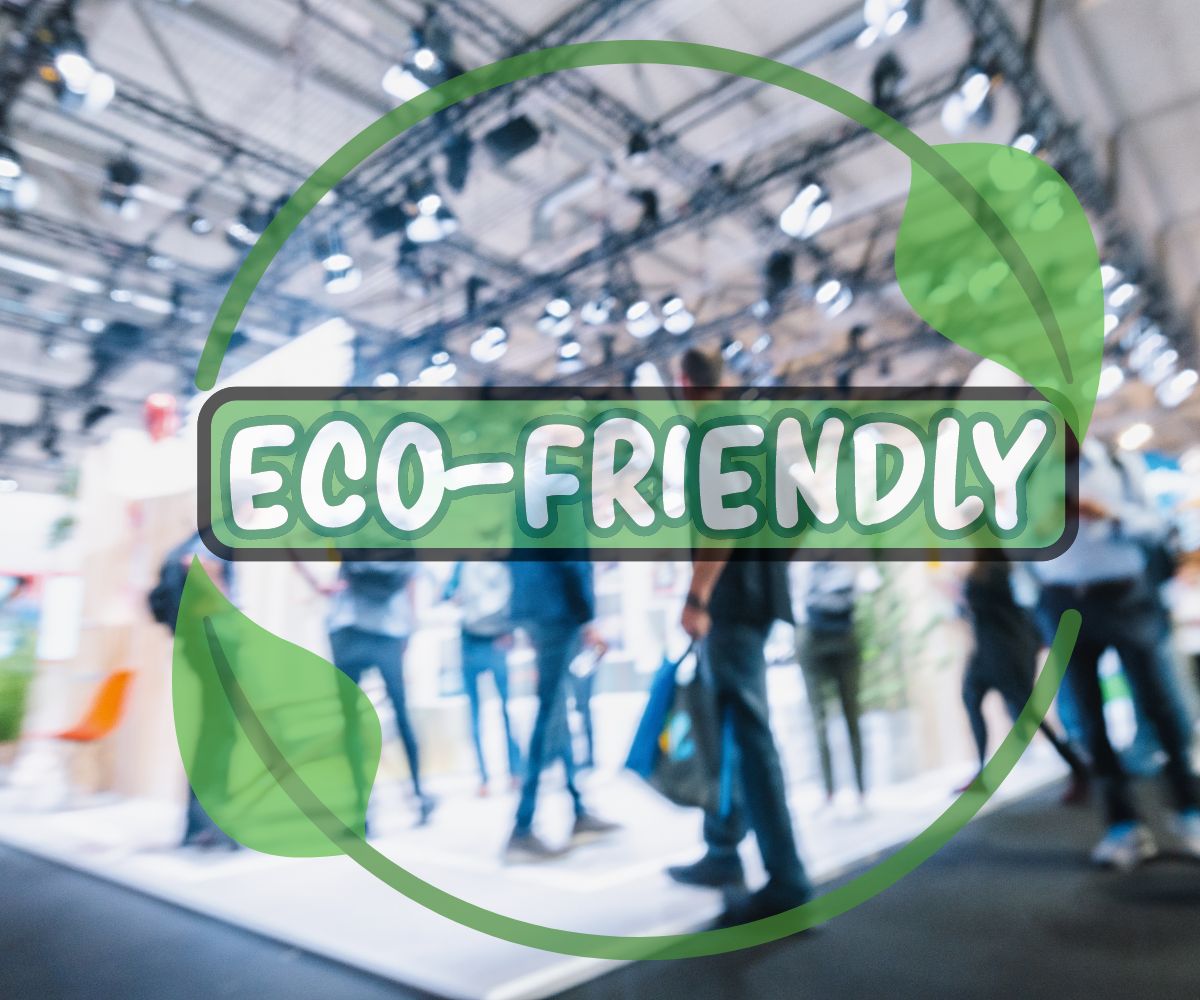
In the wake of growing environmental consciousness, businesses and individuals alike are increasingly turning towards sustainable practices. This shift extends to the realm of exhibition booths, where a new wave of eco-friendly materials is gaining prominence.
This article explores a diverse range of sustainable materials for constructing exhibition booths, emphasizing their environmental benefits and innovative applications. It looks into how these materials contribute to eco-friendly practices in booth design.
Recycled PET (rPET) Plastic: Transforming Waste into Innovation
The pervasive issue of plastic pollution has spurred the development of recycled PET plastic for exhibition booth materials. Derived from post-consumer plastic bottles, rPET offers a second life to discarded materials.
This versatile material can be molded into various shapes, providing a sustainable option for booth components such as panels, furniture, and promotional items. Choosing rPET plastic not only reduces reliance on virgin plastic but also supports the movement towards a more circular and sustainable plastics economy.
In conclusion, the shift towards eco-friendly materials in exhibition booth construction reflects a broader commitment to sustainability within the business world. By choosing these mentioned materials, exhibitors can create visually appealing, durable, and environmentally responsible booths.
As the demand for sustainable solutions continues to grow, the exhibition industry is poised to play a pivotal role in showcasing innovative and planet-friendly practices. By embracing these materials, exhibitors can lead the way toward a greener and more sustainable future for the events industry.
Bamboo: Nature's Versatile Wonder
Bamboo emerges as a prominent eco-friendly material for exhibition booths, distinguished by its rapid growth and sustainability compared to conventional hardwoods. With its versatile applications in structural elements, flooring, and decorative features, bamboo proves itself to be a multifaceted resource. According to Econation, the widespread use of bamboo is evident, with over one billion people residing in bamboo houses globally. UNESCO further underscores its efficiency, noting that 70 hectares of bamboo can produce enough material to construct 1000 houses. Bamboo's intrinsic aesthetic charm, coupled with its eco-friendly attributes, makes it an optimal choice for those emphasizing sustainability in their exhibition booth designs. Beyond its practical advantages, bamboo's visual appeal adds a touch of natural elegance to environmentally conscious booth constructions.
Recycled Aluminum: Shaping the Future Responsibly
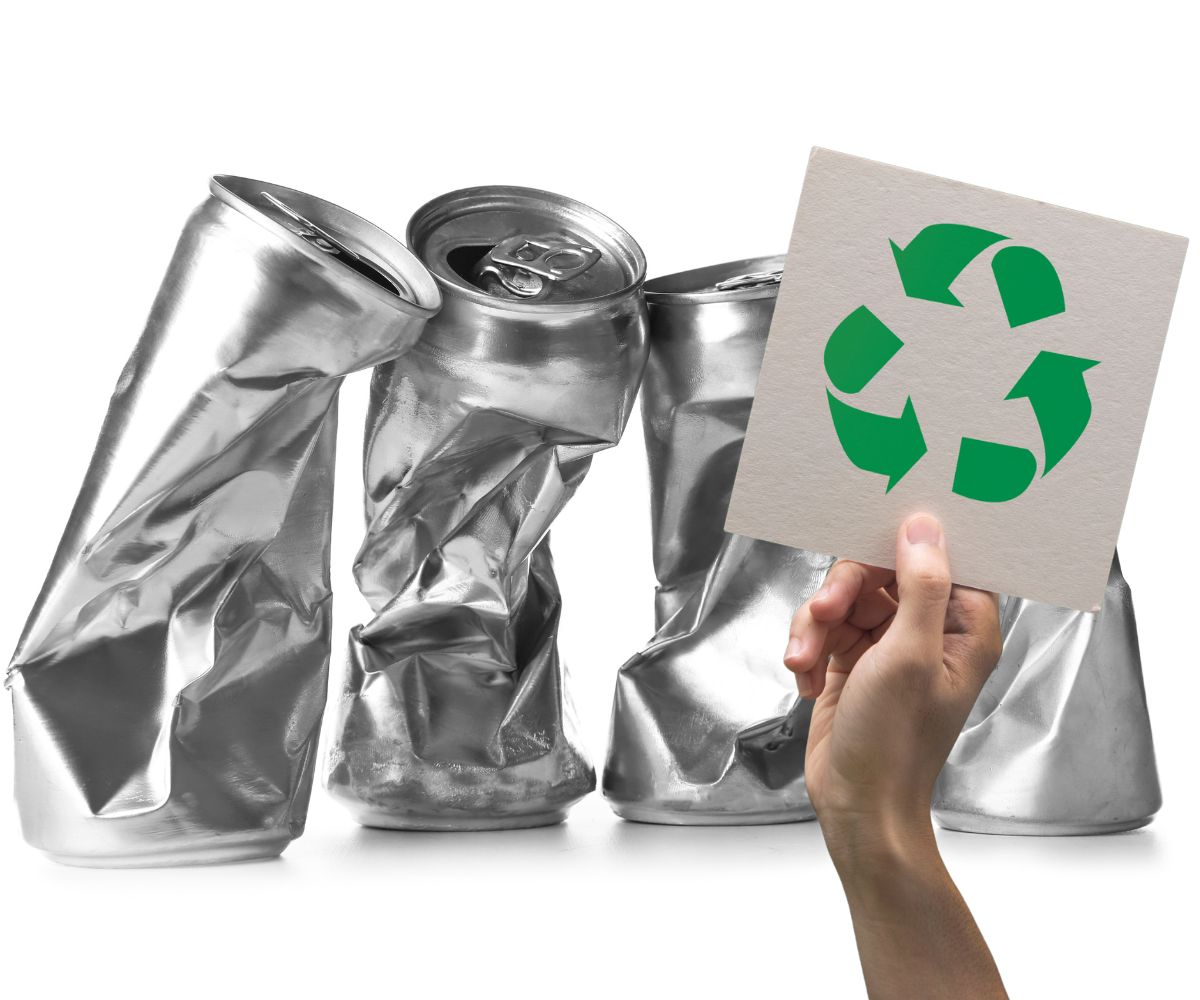
Aluminum, renowned for its lightweight and pliable characteristics, is extensively utilized in the construction of exhibition booths. It holds a remarkable position as one of the world's most recycled materials. According to The World Counts, a staggering 75% of all aluminum ever produced is still actively in use today. The global Recycling Efficiency Rate (RER) for aluminum, standing at an impressive 76%, highlights the material's efficient recycling processes. This figure serves as a testament to the effectiveness of aluminum recycling throughout the entire value chain. Opting for recycled aluminum in booth construction significantly mitigates the environmental impact associated with its extraction and manufacturing processes. Notably, the recycling process requires a mere 5% of the energy needed to produce new aluminum, emitting only 5% of the greenhouse gas emissions. An intriguing statistic highlights that the recycling of aluminum cans alone saves enough energy to power over 4.4 million European homes for an entire year. This sustainable choice not only conserves energy but also diminishes the demand for new raw materials, aligning with the principles of a circular economy. Practices adopted by companies such as Eco-Systems Sustainable Exhibits include the use of aluminum extrusions for exhibit booths, incorporating up to 70% recycled aluminum. This exemplifies a commitment to durability and environmental responsibility. By choosing recycled aluminum for booth structures and signage, these businesses set a commendable standard, showcasing the harmonious integration of innovation and sustainability. For those interested in learning more about such environmentally conscious exhibition booths, additional insights can be found at ecosystemsdisplays.com.
FSC-Certified Wood: Timber with a Conscience
For those who prefer the classic appeal of wood, opting for FSC-certified wood is a responsible choice. The Forest Stewardship Council (FSC) highlights the global recognition and trust associated with its logo, visible to 56% of consumers worldwide. FSC's commitment to ensuring wood products originate from responsibly managed forests underscores its role in promoting biodiversity and supporting the well-being of local communities. FSC-certified wood, suitable for booth structures, flooring, and decorative elements, seamlessly integrates elegance with a dedicated commitment to environmental stewardship. This makes it an ideal choice for exhibitors prioritizing sustainability in their booth designs.ECO-Glass: Sustainable Sophistication
ECO-Glass, a burgeoning eco-friendly material, is revolutionizing exhibition booth construction with its sustainable features. Crafted from recycled glass or produced through environmentally friendly methods, ECO-Glass minimizes reliance on new raw materials while diverting glass waste from landfills. Its energy-efficient manufacturing process contributes to a reduced carbon footprint, aligning with global sustainability goals. Beyond its environmental merits, ECO-Glass brings modern sophistication to exhibition booths, ideal for panels, dividers, signage, and artistic installations. This innovative material enhances the booth's visual appeal, conveying a commitment to responsible sourcing and green practices. It resonates positively with eco-conscious attendees and stakeholders alike.Recycled PET (rPET) Plastic: Transforming Waste into Innovation
The pervasive issue of plastic pollution has spurred the development of recycled PET plastic for exhibition booth materials. Derived from post-consumer plastic bottles, rPET offers a second life to discarded materials.
This versatile material can be molded into various shapes, providing a sustainable option for booth components such as panels, furniture, and promotional items. Choosing rPET plastic not only reduces reliance on virgin plastic but also supports the movement towards a more circular and sustainable plastics economy.
In conclusion, the shift towards eco-friendly materials in exhibition booth construction reflects a broader commitment to sustainability within the business world. By choosing these mentioned materials, exhibitors can create visually appealing, durable, and environmentally responsible booths.
As the demand for sustainable solutions continues to grow, the exhibition industry is poised to play a pivotal role in showcasing innovative and planet-friendly practices. By embracing these materials, exhibitors can lead the way toward a greener and more sustainable future for the events industry.How was this article?
Thanks for the feedback!