Dutch Government Pours €700M into Green Hydrogen: 602MW Boost to National Clean Energy Ambitions
The Dutch government invests €700 million into 11 green hydrogen projects, scaling up capacity by 602 MW to lead industrial decarbonization.
The Netherlands just made a bold move in the race to scale up green hydrogen, throwing down more than €700 million to kickstart 11 major hydrogen production projects. Unveiled on July 18, 2025, this investment is set to more than double the country's current electrolysis capacity — adding a hefty 602 MW — and firmly positioning the Dutch as serious players in the EU’s hydrogen infrastructure rollout.
Who’s In and What’s Happening
- These 11 big-ticket projects are backed by the OWE subsidy scheme, which covers up to 80% of upfront costs and supports operators based on how much hydrogen they actually produce.
- Some major names in the energy world are involved — think Air Liquide, Vattenfall, Circul8 Hydrogen Factory, Uniper Hydrogen, Essent Hydrogen, and Statkraft.
- The projects are spread across key hubs like Rotterdam, Lelystad, Deventer, and Gendringen, all strategically chosen for their locations near existing energy networks and logistics routes.
- The goals? Slash industrial emissions, store renewable power more effectively, and boost energy independence.
Why This Move Matters
- This is the biggest single round of hydrogen funding the Netherlands has ever committed — a major step toward building out clean hydrogen infrastructure.
- It supports the broader EU Green Deal and strengthens the clean tech ecosystem across the region.
- Beyond carbon cuts, it’s also about creating jobs in up-and-coming sectors like hydrogen production and logistics.
- It’s a clear signal that industrial decarbonization through hydrogen is no longer a theory — it’s the plan.
Electrolysis: Powering the Shift
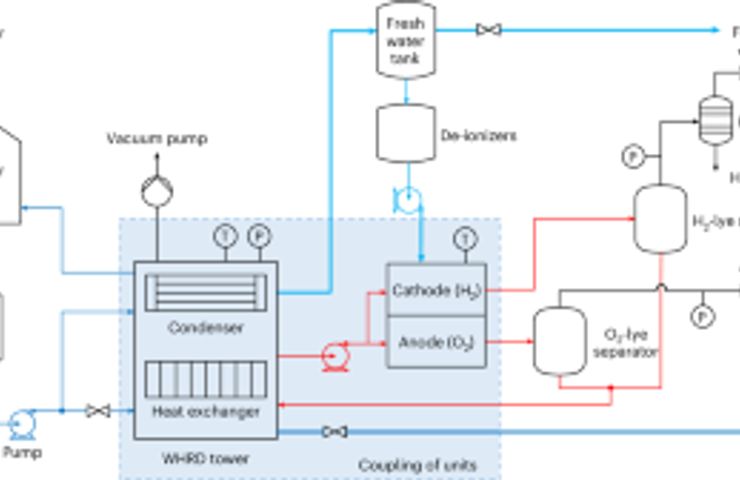
These projects are built around electrolysis — the process that uses renewable electric power to split water into hydrogen and oxygen. Not only does this create clean fuel, but it also helps stabilize the grid, soaking up excess energy from sources like offshore wind and solar. And in a country like the Netherlands, where wind farms in the North Sea and massive solar plants are booming, this tech is a perfect fit.
Big Picture: Betting on the Hydrogen Economy
The Dutch government is all-in on hydrogen. Their strategy is simple: pump public money into market-ready projects, cut down reliance on grey hydrogen, and take a leading role in Europe’s emerging hydrogen supply chain. Partners like Statkraft and Air Liquide bring global experience and technical muscle to get things off the ground.
The OWE subsidies focus on projects that are ready to build but need help closing the funding gap. And there’s a smart twist — proposals were scored on efficiency, meaning the funds go further and incentivize cost-effective, scalable design from day one.
Building the Backbone: Infrastructure and Policy
All of this ties into a much bigger vision. Gasunie, the country’s energy backbone, is expanding both its onshore and offshore hydrogen infrastructure. And with the 2024 Dutch Energy Act set to roll out in 2026, there’s finally a clear legal and regulatory framework giving investors the confidence to move forward.
That said, there are still some obstacles. Right now, hydrogen isn’t the cheapest energy option compared to fossil fuels. So, success depends on more than just tech — it’ll take smart policy, steady regulation, and follow-on investments in everything from pipelines to fueling stations to end users in heavy industry and transport.
From Pilot Projects to Real-World Impact
This isn’t a small experimental trial — it’s a leap toward market maturity. If these 11 projects prove they can deliver hydrogen at scale, affordably, and reliably, it could open the door for broader uptake in challenging sectors like steel, chemicals, shipping, and freight.
As one Dutch official summed it up perfectly: “We can’t wait around for hydrogen to get cheap. We have to make it cheap by ramping up and using it.” That mindset — of bold action and public-private partnership — is what’s driving this push forward.
Bottom line: The Netherlands has just given green hydrogen a major boost. Keep your eyes on this space — the ripple effects across Europe’s climate goals and energy security plans could be enormous.