Swiss Engine Maker Validates High-Ammonia Marine Engine for Shipping Decarbonization
Swiss marine engine designer WinGD has validated a large two-stroke engine capable of running on up to around 95% ammonia, marking a key step in clean hydrogen news toward decarbonizing deep-sea shipping.
Can you imagine a massive container ship slicing through the waves, running almost entirely on ammonia instead of traditional heavy fuel oil? Well, this isn’t just a futuristic fantasy—it’s happening right now in the world of clean hydrogen news. Swiss marine engine company WinGD has recently confirmed that they’ve validated a powerful two-stroke engine that can operate on a fuel blend with nearly 95% ammonia. The best part? Ammonia has no carbon emissions. If it’s produced using green hydrogen production methods, we’re looking at a huge drop in emissions. This innovation is a real game-changer for deep-sea shipping as it aims for true net-zero operations.
Jumping on the Ammonia Bandwagon
Here’s the deal: maritime transport is responsible for almost 3% of global greenhouse gas emissions, and cutting down those numbers is a serious challenge. Ships need fuels that pack a punch in terms of energy density to make those long ocean voyages. Heavy fuel oil may do the trick, but it comes with a hefty carbon footprint. While LNG has been a step in the right direction by reducing sulfur and CO₂ emissions, it still releases fossil carbon. Ammonia, however, is a total game-changer. It produces no carbon and can easily use existing hydrogen infrastructure at major ports once we get those bunkering systems sorted. With solid safety measures in place, we’re looking at a real path toward zero-carbon propulsion.
And this is no mere lab experiment! WinGD's tests have shown that their engine can reliably burn ammonia, operate smoothly at scale, and even switch back to regular fuel if the ammonia supply runs low. It’s like upgrading an engine that powers two-thirds of the world’s cargo fleet, and it couldn’t be more straightforward.
Setting Sail for Cleaner Waters
Now, let’s dig a bit deeper into how this all works. WinGD’s two-stroke engine design cleverly injects ammonia mixed with a small amount of pilot fuel—like marine gas oil or LNG-derived gas—into the combustion chamber. It’s all about managing the injection timing and air mix to keep nitrogen oxide emissions in check and to prevent unburned ammonia from slipping through. Some of the key features that make this technology viable include:
The testing happened at WinGD's Winterthur facilities and included collaboration with classification societies and a leading shipping partner. Engineers put the engine through endurance tests, safety drills, and performance evaluations to prove it could handle real-world conditions. Crews also underwent specialized training on ammonia handling—an essential step before any ship takes to the waves.
How Ammonia Powers the Ship
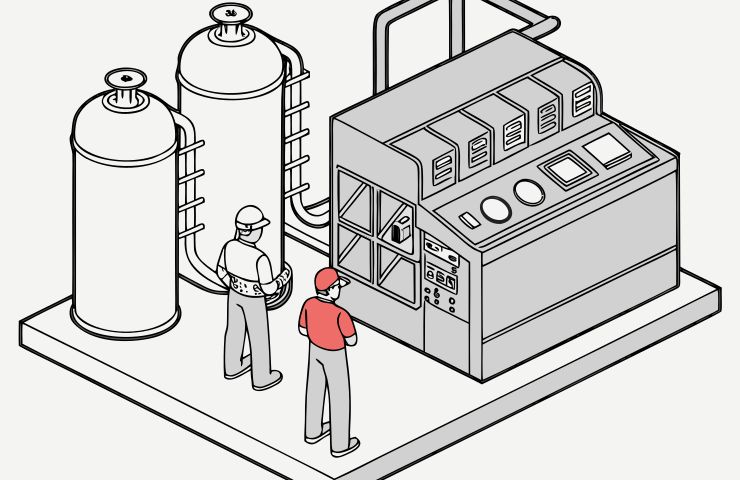
So, how does ammonia actually generate thrust? On the ship, liquid ammonia is stored in refrigerated tanks or pressurized vessels. There’s a conditioning module that brings it to just the right temperature and pressure before it feeds into the fuel system. High-precision metering units adjust the ammonia–air ratio, and while a small amount of pilot fuel ensures ignition, the lion's share of the combustion energy comes from ammonia itself.
This setup offers some major perks:
WinGD plans to expand their testing to look at adjusting power ratings, which would allow their engines to be used on container ships, bulk carriers, and even large tankers. With engines that can handle a variety of ammonia mixes, the maritime sector is picking up steam (pun intended) on its journey toward a clean energy transition.
Navigating the Future
This leap in technology didn’t just materialize overnight. WinGD has been honing their research on dual-fuel LNG engines for years, evolving as regulatory bodies like the IMO tightened greenhouse gas targets. Their parent company, CSSC, is helping to scale up production, increasing the path to commercialization. Throughout this journey, partnerships with classification societies like DNV and ABS have been crucial for establishing safety protocols and advancing approval processes.
Ports are also gearing up for this ammonia revolution. As bunkering plans get solidified, fuel suppliers are eyeing those first ammonia-ready jetties popping up in northern Europe and Asia. Policymakers are tasked with integrating ammonia into national risk codes and incentives for decarbonization. WinGD’s validation is a green light for the whole ecosystem, making it possible for ready-to-go projects to attract financing linked to hydrogen project financing and green shipping corridors.
Switzerland might be landlocked, but its Canton of Zurich has long been a powerhouse in engine manufacturing. WinGD's facilities and local test sites show how inland innovation can steer maritime decarbonization.
Broad Perspectives Ahead
This breakthrough goes beyond just one type of engine; it’s changing our outlook on alternative marine fuels altogether. As we ramp up green ammonia production—using electrolyzed hydrogen and nitrogen through the Haber–Bosch process—the supply chains for zero-carbon shipping are starting to take shape. Sure, there are hurdles, like needing bunkering stations, safe storage at ports, and solid long-term contracts to encourage investment. But as renewable electricity costs decrease, ammonia’s life-cycle emissions could inch closer to achieving true net zero.
Analysts forecast that global green ammonia production could hit over 30 million tonnes annually by 2030, partly driven by the need for marine bunkering. That kind of scale could lead to cost reductions similar to those we’ve seen in wind and solar energy.
Anchoring Our Future
Let’s face it; transforming deep-sea fleets is no small task. But with WinGD demonstrating a high-ammonia engine, we’ve reached a significant tipping point. The question is: can ammonia power a real marine engine? Absolutely—and with enough performance headroom to satisfy shipowners. This is the kind of solid proof that financiers, insurers, and cargo operators have been eagerly waiting for.
Once safety standards mature and project financing solidifies, we could see a swift shift away from traditional oil bunkers, steering us toward a cleaner, carbon-free future. This isn’t just tweaking an engine; it’s setting sail toward a carbon-neutral era in shipping. Picture a world where supertankers and container ships fill their tanks with ammonia instead of fossil fuels, emissions plunge, and ports overhaul their bunkering infrastructure while green hydrogen production soars to support both agriculture and transport.
In the grand scheme, WinGD's ammonia validation is like a lighthouse moment—illuminating what a cleaner maritime industry could look like. The next step is to get commercial pilot engines installed on actual vessels. If those trials go well, we might just see the first ammonia-powered shipping routes come to life well before 2050. Until then, every test, safety drill, and policy update inches us closer to a net-zero future in shipping. Are you ready to reimagine the high seas?