China Researchers Boost Fuel Cell Durability with Innovative Frame Sealing Structure
Chinese researchers at Tongji University have enhanced PEM fuel cell durability by using a double-layer frame structure with a cushion layer to prevent MEA cracking during thermal cycling, moving the hydrogen industry closer to its 5,000-hour durability goal.
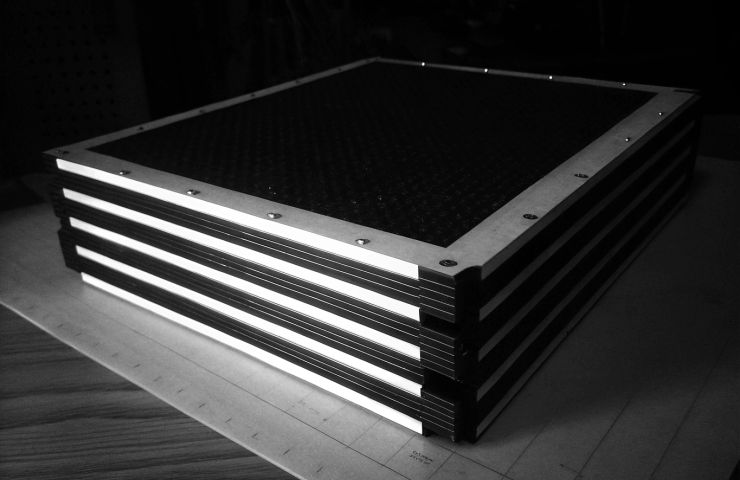
Researchers from Tongji University and the National Center of Technology Innovation for Fuel Cell may have just cracked a long-standing problem nagging hydrogen fuel cells: the lackluster durability of the membrane electrode assembly (MEA) in PEM fuel cells. Turns out, the solution is refreshingly simple—and pretty clever too.
Unveiled on July 11, 2025, the joint research shows that adding a double-layer frame with a built-in cushion layer—basically a soft buffer—helps protect the MEA from the wear and tear caused by constant temperature changes. Instead of focusing just on chemical tweaks or highly engineered catalyst materials, the team looked at the physical stress points where parts of the fuel cell meet. The result? Far less cracking and deformation, bringing us a step closer to hitting that industry milestone of 5,000+ operational hours for commercial hydrogen fuel cell vehicles.
Giving New Life to PEM Fuel Cells
The MEA is the real workhorse in a proton exchange membrane fuel cell (PEMFC), responsible for turning hydrogen fuel into electricity. But its multi-layered structure—with a thin polymer membrane squished between catalyst and gas diffusion layers—makes it surprisingly fragile. The biggest trouble happens right where the sealing frame meets the membrane. With every turn of the ignition or temperature swing, parts expand and contract at different rates, slowly wrecking the structural integrity. Over time, that means failed seals, broken membranes, and systems that just don’t last.
But in thermal shock tests, the research team’s cushioned frame design offered a major upgrade. By inserting a buffer between the harder frame and the delicate membrane, they were able to sharply reduce that punishing mechanical strain. No more edge cracks, no more surprise leaks. And that’s a big deal in fuel cell circles, where those flaws are infamous for shutting systems down too early.
Why This Is a Bigger Deal Than It Sounds
When folks talk about challenges in hydrogen mobility, one headache always floats to the top: stack durability. Sure, we’ve made leaps in catalyst efficiency and hydrogen purity. But those mechanical weak spots—especially at sealing points—are still a blind spot that limits fuel cell lifespans and keeps costs high.
“This isn’t just about squeezing a few more hours out of a stack. It's about unlocking lower costs per kilowatt-hour, proving reliability, and—let’s be honest—convincing people that this tech can go the distance,” noted one researcher involved in similar work.
Hitting the 5,000-hour benchmark for PEM fuel cell durability is no small feat. It’s roughly equivalent to the life of a traditional car engine. Pulling that off through smarter, tighter mechanical design—not exotic materials or budget-busting fabrication upgrades—is a practical win for manufacturers.
China’s Hydrogen Game Is Leveling Up
This work isn’t happening in a vacuum. It’s part of a larger push in hydrogen technology China is betting big on. With its massive population and a national net-zero goal mapped out for 2060, the country is rapidly becoming a powerhouse in all things hydrogen—from electrolyzer production to long-haul logistics vehicles running on fuel cells.
Tongji University has long been a leader in fuel cell research, and the National Center of Technology Innovation for Fuel Cell was set up specifically to bridge the gap between the lab bench and the open road. This collaborative model shows how government research centers and universities are starting to work more closely with industry players to tackle reliability and scaling challenges head-on.
Ripple Effects: Efficiency, Uptime, and Cleaner Air
More durable membrane assemblies don’t just mean fewer headaches for engineers. They ripple out in all kinds of helpful ways:
- Longer stack life means fewer replacements, less downtime, and lower ongoing maintenance costs.
- Better tolerances in manufacturing push the entire industry to clean up its production standards.
- Extending system longevity also cuts down the total emissions footprint—something we don’t talk about enough when we say “clean energy.”
What’s really interesting is how the research is shifting focus. Instead of pouring all effort into chemical enhancements, more attention now is going toward structure—how components are actually built and how they behave under real-world stress. Sometimes, it’s the simplest mechanical choices that make the biggest difference.
Looking Ahead: From Labs to Roads
This isn't the kind of science that sits on a shelf for years. The double-layer frame setup could make its way into commercial stacks sooner than you’d think—especially in places like China, where fuel cell trucks and hydrogen fueling stations are already cropping up fast.
Expect more joint projects between Tongji University and commercial players as China connects its growing hydrogen production footprint with real-world mobility—powering everything from city buses to cross-country cargo haulers.
The global hydrogen economy is moving fast. While big breakthroughs grab the headlines, it’s often these precise, under-the-hood upgrades that quietly pave the way—nudging the balance of cost, durability, and performance ever more in fuel cells’ favor.