China Bets on Wind-to-Hydrogen Integration with $2B Renewable Methanol Project in Xinjiang
Guofa Chengtou signs a $1.97bn deal to build China’s largest wind-to-hydrogen-to-methanol facility in Xinjiang, scaling up green hydrogen and methanol integration.
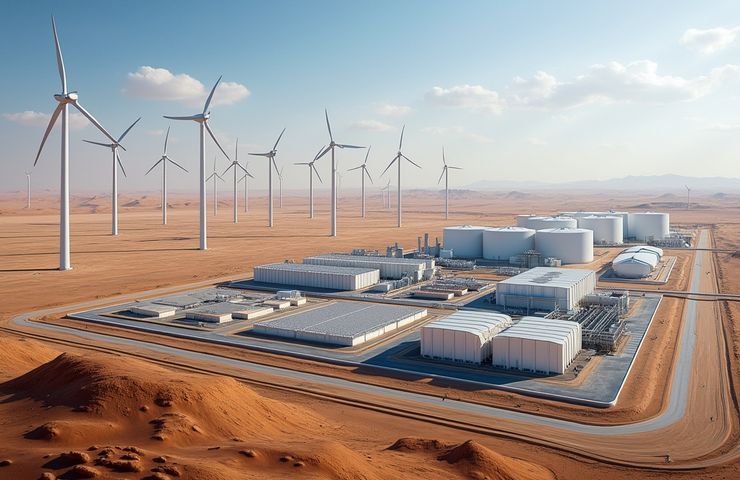
China’s biggest green hydrogen-to-methanol project just took a giant leap forward — and it’s kicking off in a spot most folks have probably never heard of. Tucked away in the wind-beaten terrain of Wusu, a remote part of Xinjiang, Chinese energy player Guofa Chengtou Energy Development has inked a jaw-dropping $1.97 billion deal to build an all-in-one renewable energy complex. We’re talking wind power, hydrogen production through electrolysis, and large-scale methanol conversion all in one package.
This isn’t just another green project — this one’s rewriting the playbook. Picture a 2.2 GW wind farm working hand in hand with a 250 MW electrolyzer setup, pumping out a hefty 24,700 tonnes of green hydrogen every year. And it doesn’t stop there. That clean H2 will feed straight into a next-gen methanol plant expected to produce a massive 300,000 tonnes of low-carbon methanol annually.
Green Hydrogen from Xinjiang’s Wind Corridor
Wusu sits along the blustery north of the Xinjiang Uyghur Autonomous Region, a goldmine for wind energy with consistent 6–8 m/s gusts and barely a soul in sight. Ideal for renewables, and even better for energy projects that don’t need much connection to the main grid.
What makes this location special isn’t just the wind or the isolation — it’s what it represents. Xinjiang already supplies a whopping 30% of China’s onshore wind power, and this new project could turn the region into a powerhouse for hydrogen production. To put it in perspective, China’s last major green hydrogen demo in Hebei was just 20 MW. This one? It’s 125 times bigger. That’s not just upgrading — that’s leveling up the entire game.
Rethinking Methanol, the Green Way
The showstopper here might just be the end product: renewable methanol. It’s hardly a new kid on the industrial block — methanol fuels countless industries. But swapping out fossil-based sources with green hydrogen is a game changer, especially for hard-to-decarbonize sectors like shipping.
And the timing? Spot on. Just months after shipping giant Maersk doubled down on methanol-powered ships, projects like this one almost feel like a direct response. With interest in green methanol booming, especially in maritime transport, China’s clearly eyeing a front-row seat in the global clean fuel market.
How the Tech Stacks Up
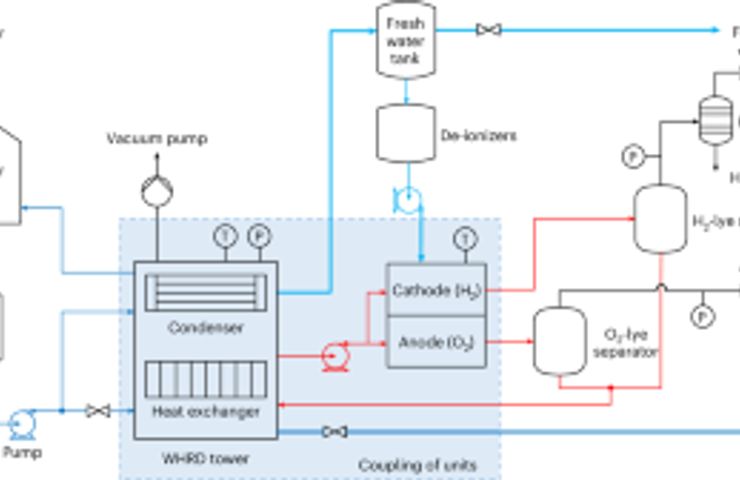
Let’s dig into the mechanics. The wind farm feeds electricity directly into a string of state-of-the-art PEM electrolyzers. These aren’t your average prototypes — they’ve got integrated power curtailment systems that keep things efficient and optimized, even when the wind doesn’t play nice.
Once the green hydrogen is ready, it’s combined with captured CO and CO2 from local industrial sites. From there, standard copper-zinc-alumina catalysts take over, converting the feedstock into methanol at around 300°C and under 100 bar of pressure.
Having everything — from electron to molecule — on one site means fewer headaches and more efficiency. For folks in the industry, this is starting to look like a repeatable model for wind-hydrogen-chemical integration.
Why Wusu? Why Now?
This kind of project lands right at the crossroads of smart economics and strong policy backing. China’s throwing in hydrogen production incentives of $0.15/kg, and methanol’s still selling near $400/tonne. Add Xinjiang’s low operating costs, and suddenly this remote project starts making a lot of business sense.
But it’s also about the bigger picture. China isn’t just building for today — it’s chasing its 2060 carbon neutrality target. That means slashing emissions from sectors like heavy manufacturing and shipping. Not to mention cutting back on methanol imports — this single project is expected to reduce China’s methanol import needs by about 15%.
Environmental & Global Impacts
Of course, no massive industrial project is without concerns. Electrolysis takes a lot of water — about 1.4 million cubic meters a year in this case — and Xinjiang isn’t exactly known for its rainfall. How Guofa Chengtou handles water management and sourcing will likely be under a microscope, perhaps just as much as its carbon-cutting claims.
Zoom out a bit, and this project starts making waves beyond China too. With connections to the Belt and Road initiative and growing interest from countries across ASEAN, this could kickstart a fully-fledged green methanol export economy. If this setup proves successful, it might not be long before we see similar projects popping up in places like the Middle East or Latin America.
An Early Move, But a Big One
The ink’s dry on the deal, with construction projected to start by Q2 2025. Even though the full timeline is still unclear, signals coming from local leaders — especially the Wusu Municipal Government — suggest fast-tracked progress. Clearly, this isn't just another entry in a five-year plan; it’s looking more like a national energy priority.
For anyone tracking the clean hydrogen race, this project’s a must-watch. It’s where massive hydrogen production meets industrial decarbonization — and we just might be looking at the blueprint for China’s future in hydrogen infrastructure and clean ammonia alike.
About Guofa Chengtou Energy Development
Guofa Chengtou Energy Development is a China-based energy developer focused on scaling up renewables, especially through the marriage of wind power, hydrogen production, and green chemical manufacturing. Its collaborations with regional governments like Wusu are part of a bigger push to turn local resources into global clean energy solutions.