Canadian-Vietnamese Hydrogen MoU Partnership Targets ASEAN Zero-Emission Growth
Canadian Hydrogen Association and Vietnam ASEAN Hydrogen Club team up to accelerate zero-emission hydrogen deployment across Canada and Southeast Asia. MoU aims to leverage Canadian expertise to support Vietnam's ambitious net-zero targets.
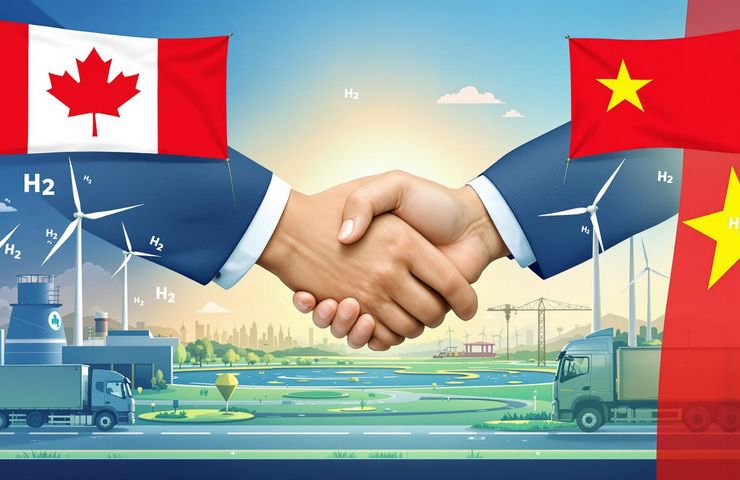
On June 6, 2024, the Canadian Hydrogen Association (CHA) and the Vietnam ASEAN Hydrogen Club (VAHC) entered into a game-changing partnership by signing their first-ever memorandum of understanding (MoU). The goal? To team up on rolling out and developing zero-emission hydrogen solutions in both Canada and Southeast Asia. This collaboration speaks volumes about how serious the global community is getting when it comes to green hydrogen and decarbonizing industry at scale.
Key Insights
- This marks the first official agreement between a North American hydrogen organization (CHA) and a Southeast Asian group (VAHC).
- The partnership will hone in on sharing technology, streamlining regulations, strengthening local expertise, and launching joint educational programs.
- It aligns with Vietnam’s ambitious net-zero 2050 goal and supports Canada’s drive to ramp up clean tech exports.
- The plan includes hosting seminars on industrial decarbonization and how hydrogen can be integrated into sectors that are tough to clean up.
Strategic Implications
This isn’t just a feel-good moment for PR—it’s a smart, strategic move to position Canada as a global player in hydrogen, while helping Southeast Asia accelerate its clean energy shift.
- For Canada, the MoU opens the door to Southeast Asia’s booming hydrogen infrastructure development, giving Canadian innovators room to grow internationally.
- Meanwhile, Vietnam and other ASEAN nations gain access to valuable Canadian experience, both in tech and policy, giving their hydrogen efforts a serious boost.
- Collaborative efforts are expected to bring in fresh investments and spark new project ideas across key industries like energy, transport, and manufacturing.
Technical Focus: What Zero-Emission Means
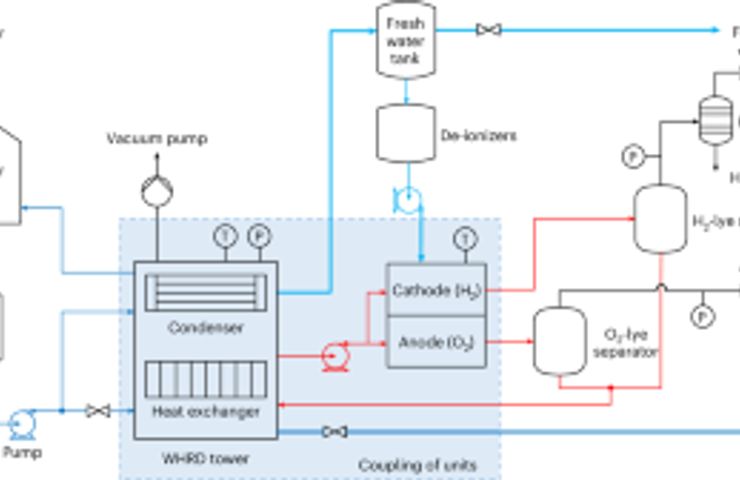
At the heart of this partnership is a clear focus on green hydrogen—that’s hydrogen made using electrolysis powered by renewable sources like solar, wind, and hydropower. The method produces hydrogen without kicking out any carbon emissions—hence the name zero-emission hydrogen.
These clean fuels are more than buzzwords. They can seriously move the needle in heavy industries like shipping, freight, steel, and cement—places where switching to electricity just isn’t practical right now. That’s where hydrogen fuel cells step in, offering a cleaner and more flexible power source.
Why Vietnam, Why Now?
Vietnam is standing at a crossroads. Since pledging net-zero emissions by 2050 at COP26, the country has been steadily carving out its future as a regional clean energy leader. Backed by over $15 billion in international climate finance, it’s now leaning heavily into green hydrogen as a centerpiece of its energy game plan.
On top of that, Vietnam’s partnership with CHA aligns perfectly with its growing role in the region’s hydrogen network. With strong links already forming with heavyweights like South Korea, Vietnam is keen on becoming a hub in the larger Asia-Pacific hydrogen production and supply chain.
Upcoming Actions & Outlook
- Plans are already underway to host regional panels and seminars, leading up to a major event in 2025 focused on cutting emissions from industries that are notoriously hard to decarbonize.
- Both sides will share key data and insights—market trends, policy updates, and educational resources—to help guide public and private sector strategies for industrial decarbonization.
- There's real potential here for co-developing pilot projects and new business models. From testing out fresh regulatory ideas to aligning codes and standards, there’s a lot of room to create something scalable.
Final Takeaway
This partnership is more than just an exchange of ideas—it’s about putting real pieces in place to build an international supply chain that can power a hydrogen economy. With Canada delivering top-tier expertise and Vietnam offering a fast-moving, forward-thinking market, this deal couldn’t come at a better time. The big question now is how fast can both sides move from talk to action—and start making a measurable dent in global emissions.