News
Bosch, GenH2, and Hyroad Break Ground with Zero-Loss Liquid Hydrogen Stations
Bosch, Hyroad, and GenH2 are transforming the hydrogen landscape with the world's first Zero-Loss Liquid Hydrogen Station, paving the way for more efficient, sustainable fuel infrastructure.
Hydrogen Technology Charges Forward with Bosch and U.S. Partners
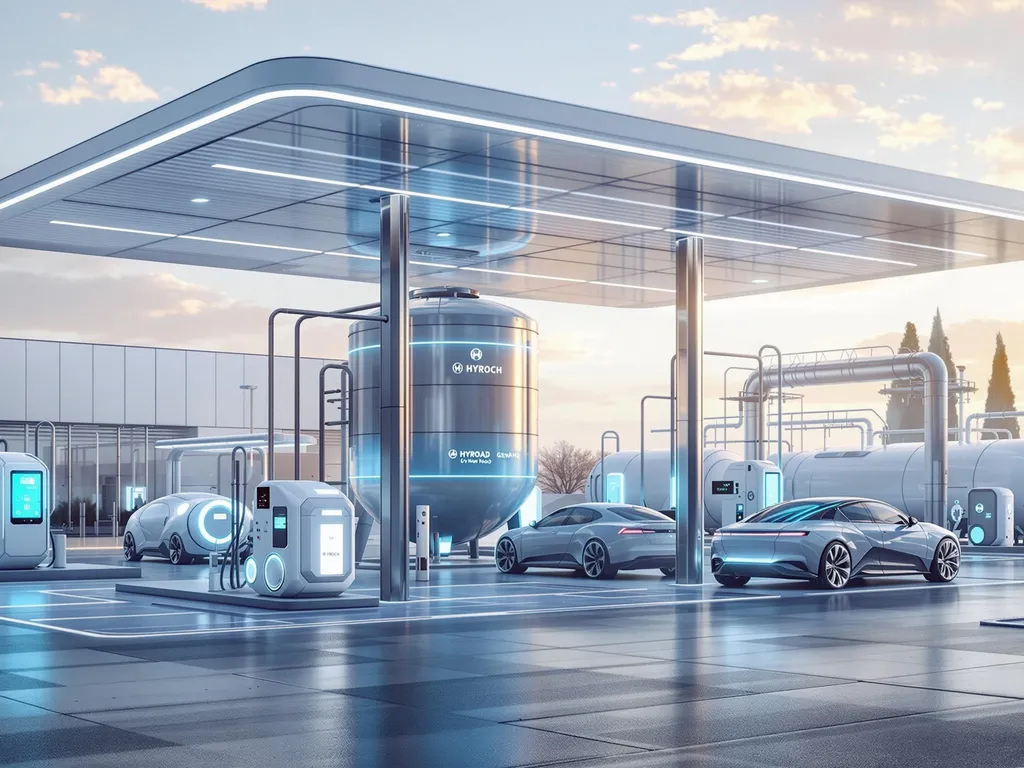
Bosch, one of Germany’s industrial giants, is stepping up its game in the hydrogen world. They’ve teamed up with U.S.-based Hyroad and GenH2 to roll out a breakthrough in refueling tech: the Zero-Loss Liquid Hydrogen Station. This partnership, which kicked off in 2023 and is driving forward into 2024, is a big milestone toward a cleaner energy future and zero-emission transportation. And it’s not just Bosch making waves. Over in Europe, companies like Hexagon Purus and China’s CIMC are keeping things moving with their ultra-light, high-pressure Type IV hydrogen storage cylinders. This storage tech is a critical piece of the puzzle for making hydrogen more viable on a larger scale. Meanwhile, hydrogen’s making a splash at sea too. The first hydrogen-powered cruise ship is nearly ready for its debut, sparking even more excitement around clean energy in the maritime world.Behind the Tech: Who’s Doing What?
So, who’s behind all this progress? Let’s take a look. Bosch, known for everything from power tools to mobility tech, is making major moves in hydrogen. They’ve already backed more than 100 hydrogen projects globally. Through their division Bosch Rexroth, they’re supplying cutting-edge fluid power systems for the new Zero-Loss station. On the American side of this power trio, Hyroad brings experience in building hydrogen infrastructure, while GenH2 specializes in liquid hydrogen tech—think super-cold cryogenic storage, efficient dispensers, and scalable fueling systems. The aim? Boost fueling station performance by locking in every bit of hydrogen. Since hydrogen needs to be stored at around –253°C (!), even the tiniest leak means wasted fuel—and lost money and emissions savings. So building “zero-loss” capability isn’t just technical wizardry—it’s plain old common sense. Across the pond, Hexagon Purus and CIMC are working together to deliver 700-bar Type IV pressure tanks to the European market, which are ideal for everything from fuel cell buses to heavy-duty trucks. Lightweight and durable, these tanks help vehicles go farther without weighing them down.The Bigger Picture: Why This Matters Right Now
Why the surge in hydrogen momentum all of a sudden? Because the pressure’s on. Governments, automakers, and everyday consumers are all looking for cleaner, smarter alternatives to fossil fuels. And when batteries don’t quite cut it—like in heavy-duty trucking or maritime shipping—hydrogen fuel cells step in. Automotive leaders like Toyota have been bullish on fuel cells for years. But to really build a thriving hydrogen economy, it takes more than just fuel cell cars. You need an entire ecosystem—production, storage, transport, and end use—all working together. That’s where Bosch really shines. They’re not just producing hydrogen engines; they’re building the surrounding infrastructure too—from pumping stations to factory energy systems. It’s a comprehensive approach that weaves hydrogen into multiple sectors beyond transport, including buildings and industrial operations.Drawing Parallels Across the Globe
What Bosch and its partners are pulling off with this tech is pretty exciting—but they’re not the only ones making moves. In Asia, for instance, Japan’s Hydrogen Highway is already connecting major cities with fuel stations, and South Korea is planning to have 1,200 hydrogen-powered buses on Seoul’s streets by 2025. Meanwhile, in places like California, hydrogen stations are expanding at a steady clip thanks to public-private backing. It’s more than a trend. It’s a global pivot. Countries are setting aggressive net-zero targets, and hydrogen is becoming a key player in the race to meet them.What This Means for the Industry & the Rest of Us
In the immediate future, what Bosch is doing sends a strong signal to both investors and competitors: hydrogen isn’t just having a moment—it’s getting serious. Achieving true “zero-loss” refueling sets a new industry benchmark for efficiency and sustainability. Looking a bit further out, scaling innovations like these can bring down the price tag on hydrogen-powered vehicles, opening the door for more fleets—and someday, maybe even everyday drivers—to get on board. And with the cost of green hydrogen production steadily falling, the dream of mainstream zero-emission transport is inching closer to reality. The ripple effects go beyond mobility. These projects create jobs, ignite tech hubs, and open up brand-new industrial supply chains. Cleaner air in cities and near ports? Huge bonus. Plus, for policymakers, these projects become real-world proof that hydrogen investments are paying off—and worth scaling up.Hurdles to Clear, Roads to Run
Still, it’s not all smooth sailing. Battery-electric vehicles are formidable rivals in many transport segments, and inconsistent regulations around safety and fuel transport can slow adoption. Infrastructure costs are still eye-wateringly high, and many regions lack a solid hydrogen network. But the industry isn’t sitting still. With more collaboration between companies—and strong government support—these hurdles are becoming speed bumps, not deal breakers. There’s also growing recognition of hydrogen’s adaptability across industries, which only strengthens the case for ongoing R&D and future breakthroughs.Looking Ahead: What’s Next for Hydrogen Infrastructure?
So, what will it take to really bring hydrogen into the mainstream? 1. Scaling up zero-loss hydrogen stations to prove they work—not just in the lab, but in the real world. 2. Clear, consistent regulations around hydrogen safety and performance to cut red tape and boost confidence. 3. More support for green hydrogen production so supply keeps up as demand skyrockets. The innovations coming out of the Bosch-Hyroad-GenH2 partnership could act as a spark that ignites similar projects across North America, Europe, and Asia. By finally tackling the challenge of fuel loss head-on, they’re setting the stage for a plug-and-play hydrogen infrastructure that works wherever it’s needed. Hydrogen may be the tiniest molecule, but it’s playing a massive role in shaping the future of energy. With bold moves like this, that future doesn’t feel quite so far off.About Bosch
Robert Bosch GmbH is a global engineering and technology leader based in Gerlingen, Germany. With over 400,000 employees worldwide, Bosch works across Mobility Solutions, Consumer Goods, Industrial Technology, and Energy and Building Technology. Heavily invested in hydrogen, Bosch is spearheading more than 100 projects globally, shaping the hydrogen economy with both innovation and impact.How was this article?
Thanks for the feedback!