Hydrogen news
KEW Technology Lands Funding to Propel Waste-to-Hydrogen Tech Forward
UK-based KEW Technology has secured £4.4 million ($5.59 million) from the Department for Energy Security & Net Zero’s Hydrogen BECCS Innovation Programme. The funding will be used to turn waste-to-hydrogen technology solutions research into a real-world demonstration at KEW's sustainable energy facility in Wednesbury. KEW's technological solution, H2 BECCS, uses only end of life waste or low-grade biomass to generate syngas and then hydrogen. The UK-based sustainable energy solutions company has secured millions in funding. [caption id="attachment_59522" align="alignright" width="320"] S…

- UK-based KEW Technology has secured £4.4 million ($5.59 million) from the Department for Energy Security & Net Zero’s Hydrogen BECCS Innovation Programme.
- The funding will be used to turn waste-to-hydrogen technology solutions research into a real-world demonstration at KEW's sustainable energy facility in Wednesbury.
- KEW's technological solution, H2 BECCS, uses only end of life waste or low-grade biomass to generate syngas and then hydrogen.
The UK-based sustainable energy solutions company has secured millions in funding.
[caption id="attachment_59522" align="alignright" width="320"] Search Our Green Job Board[/caption]
KEW Technology has been awarded £4.4 million ($5.59 million) from the Department for Energy Security & Net Zero’s Hydrogen BECCS Innovation Programme, which it will use to turn its waste-to-hydrogen technology solutions research into a “real-world” demonstration at its sustainable energy facility located in Wednesbury.
Search Our Green Job Board[/caption]
KEW Technology has been awarded £4.4 million ($5.59 million) from the Department for Energy Security & Net Zero’s Hydrogen BECCS Innovation Programme, which it will use to turn its waste-to-hydrogen technology solutions research into a “real-world” demonstration at its sustainable energy facility located in Wednesbury.
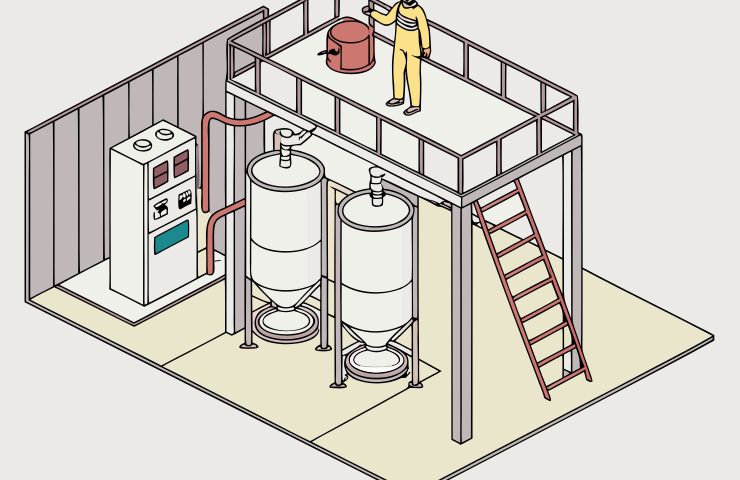
KEW plans to retrofit its current gasification plant with new add-on tech.
This new waste-to-hydrogen add-on technology solution will be used to separate hydrogen and carbon dioxide. According to KEW Technology COO Kevin Chown, the company assessed Amine, PWA, Carbonate, Cryo with PSA and Cryo with membrane packages against key criteria such as energy requirements, hydrogen efficiency and purity, as well as cost. The assessment was carried out in partnership with Aston University. Chown explained that PWA was selected as the best solution due to it having greater energy efficiency than available technology on the market. Unlike PWA, unless a waste heat source is locally available, other tech requires “thermal energy and combustion of a substantial proportion of the energy produced.” “With PWA systems utilising only water (retained and recycled) not continuous consumption, it offers lower environmental impact and risk than the use of chemical solvents,” The COO said.KEW’s waste-to-hydrogen technological solution uses only end of life waste or low-grade biomass.
H2 BECCS (Bio-Energy with Carbon Capture and Storage), KEW’s technological solution, uses only end of life waste or low-grade biomass as the feedstock to generate syngas and then hydrogen. The solution’s innovative separation technology lowers energy consumption and avoids using chemicals. It can improve the cost-effectiveness of hydrogen production from non-recyclable wastes or biomass and it is believed that it will achieve extremely effective energy performances.
An independent assessment of the company’s greenhouse gas emissions reportedly shows overall carbon capture savings of more than 25,000 tons annually of CO2 module producing more than 1,000 tons annually of transport-grade H2 at fuel cell vehicle purity of 99.7% per the ISO standard.
The solution’s innovative separation technology lowers energy consumption and avoids using chemicals. It can improve the cost-effectiveness of hydrogen production from non-recyclable wastes or biomass and it is believed that it will achieve extremely effective energy performances.
An independent assessment of the company’s greenhouse gas emissions reportedly shows overall carbon capture savings of more than 25,000 tons annually of CO2 module producing more than 1,000 tons annually of transport-grade H2 at fuel cell vehicle purity of 99.7% per the ISO standard.
The funding will “significantly help” commercialize the technology.
Chown said that KEW Technology is delighted to have been awarded further funding as it will give the company the unique ability to test its waste-to-hydrogen technological innovation in a “proven ‘real-world’ production facility.” “This funding will significantly help accelerate the commercialisation and technology readiness level of this emerging technology on the way to cost effective hydrogen supply from H2 BECCS systems,” Chown added.
Hydrogen FAQ's For This Article:
1. What is KEW Technology? KEW Technology is a UK-based sustainable energy solutions company. 2. How much funding has KEW Technology secured recently and from whom? KEW Technology has secured £4.4 million ($5.59 million) in funding from the Department for Energy Security & Net Zero’s Hydrogen BECCS Innovation Programme. 3. What will the funding be used for? The funding will be used to turn KEW's waste-to-hydrogen technology research into a real-world demonstration at its sustainable energy facility in Wednesbury. 4. What are KEW's plans for its gasification plant? KEW plans to retrofit its gasification plant with new add-on technology to separate hydrogen and carbon dioxide. 5. What is the source of feedstock for KEW's waste-to-hydrogen technological solution? KEW's waste-to-hydrogen technological solution uses end-of-life waste or low-grade biomass as feedstock. 6. What makes KEW's technology innovative? The technology lowers energy consumption, avoids the use of chemicals and improves the cost-effectiveness of hydrogen production from non-recyclable wastes or biomass. 7. What are the environmental benefits of KEW's technology? An independent assessment shows overall carbon capture savings of more than 25,000 tons annually of CO2, and it produces over 1,000 tons annually of transport-grade H2. 8. How will the funding help KEW Technology? The funding will significantly help accelerate the commercialisation and technology readiness level of this emerging technology. 9. What does 'end-of-life waste' mean? End-of-life waste refers to materials or products that have reached the end of their usable life. This includes items that can no longer be repaired, reused, or recycled. In the context of KEW Technology's solution, end-of-life waste or low-grade biomass is used as feedstock for the production of hydrogen, transforming what would otherwise be discarded into a valuable resource.How was this article?
Thanks for the feedback!