Hydrogen news
UKOG on a roll, scores second future hydrogen storage spot
UK Oil & Gas has secured the land for another H2 storage project. UK Oil & Gas (UKOG), an energy company based in London, announced it has successfully obtained terrain and subsurface mineral rights for an underground salt-cavern hydrogen storage project in south Dorset. This marks the company’s second H2 storage facility in the southwest England region. The location is close to a planned hydrogen pipeline. The heads of terms executed by UKOG, via its wholly owned subsidiary UK Energy Storage (UKEn), covers the 60-year lease of land, which is located above the thickets onshore part of the Dor…
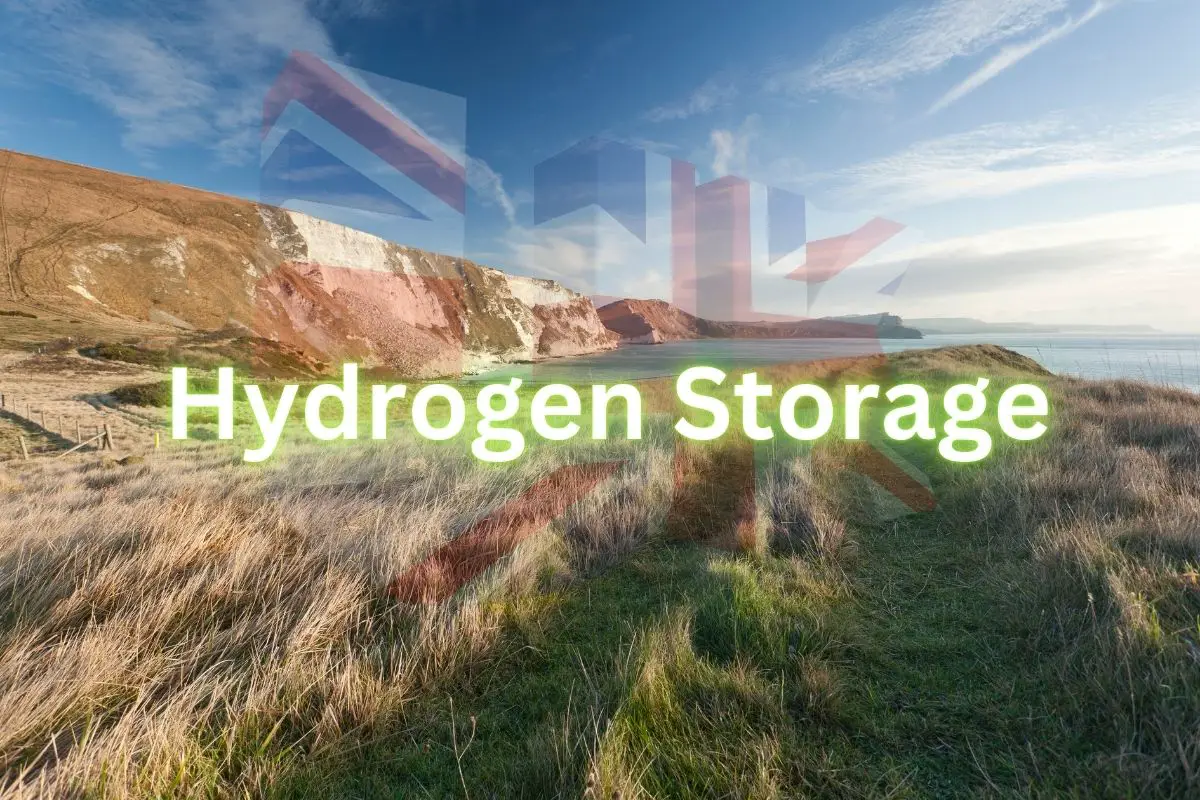
UK Oil & Gas has secured the land for another H2 storage project.
UK Oil & Gas (UKOG), an energy company based in London, announced it has successfully obtained terrain and subsurface mineral rights for an underground salt-cavern hydrogen storage project in south Dorset. This marks the company’s second H2 storage facility in the southwest England region.The location is close to a planned hydrogen pipeline.
The heads of terms executed by UKOG, via its wholly owned subsidiary UK Energy Storage (UKEn), covers the 60-year lease of land, which is located above the thickets onshore part of the Dorset Triassic salt deposit. The agreed location of this second underground salt-cavern H2 storage facility is near British gas distribution company SGN’s planned H2 Connect hydrogen pipeline. This will link the proposed hydrogen storage caverns directly to the green hydrogen plants that have been planned within the Solent Cluster and the wider Southern UK hydrogen networks.The goal of each hydrogen storage site is to provide up to 10 TWh of working storage annually.
The main objective for each hydrogen storage site is to deliver approximately 6.5-10 Terawatt-hours (TWh) of working storage per year. This is reportedly equal to about 10-20% of the UK’s estimated 2050 hydrogen storage demand.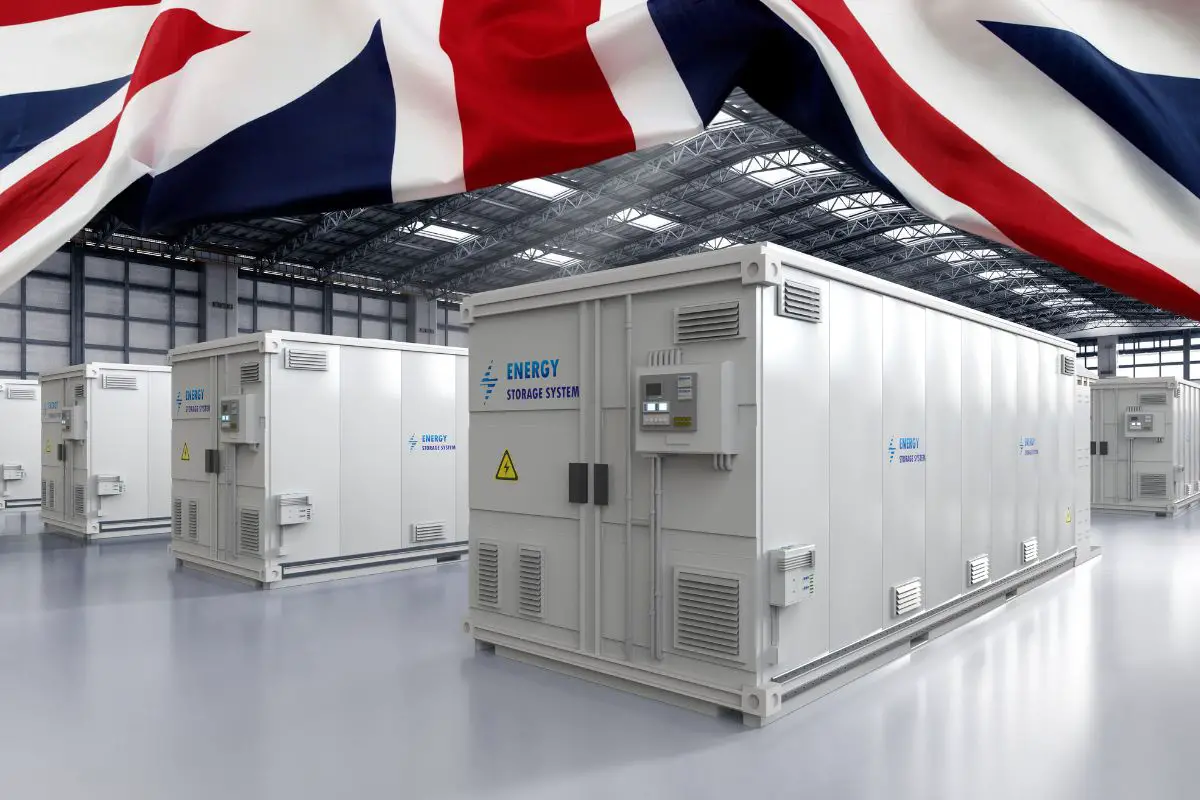 The latest Dorset site is in an optimal location, according to UK Energy Storage CEO, Stephen Sanderson. The CEO explained that the site, which will “exploit the thickest part of the onshore Dorset Triassic salt deposit” will allow large underground caverns to be “emplaced via a modest sized surface facility.”
Now, UKEn will move ahead to finalize the lease agreement, complete the design studies for the project, and begin the other work that is required to successfully submit a Nationally Significant Infrastructure Project planning application.
The latest Dorset site is in an optimal location, according to UK Energy Storage CEO, Stephen Sanderson. The CEO explained that the site, which will “exploit the thickest part of the onshore Dorset Triassic salt deposit” will allow large underground caverns to be “emplaced via a modest sized surface facility.”
Now, UKEn will move ahead to finalize the lease agreement, complete the design studies for the project, and begin the other work that is required to successfully submit a Nationally Significant Infrastructure Project planning application.
Why salt for H2 storage?
Salt is considered to be ideal for underground hydrogen storage due to its unique chemical and geographical properties. Salt does not react chemically with hydrogen and will not impact the quality or safety of the stored gas. Geographically speaking, salt formations have been formed over millions of years and are typically found in stable geological environments where seismic activity rarely occurs. Moreover, salt domes or beds are extremely impermeable to fluids. This means the salt is effective at trapping H2 underground, with minimal chance that hydrogen will leak out of the tight seal. Underground salt caverns can also provide vast storage space, allowing for significant amounts of hydrogen to be stored, perfect for servicing large-scale operations.How was this article?
Thanks for the feedback!