Paju Eco Green Fuel Cell Power Plant Powers 81,000 Homes and Expands Distributed Generation
SK Eternix and Bloom Energy have brought the 31 MW Paju Eco Green fuel cell plant into commercial operation in South Korea, using 94 solid oxide fuel cell modules to deliver 258 GWh per year and power 81,000 homes. The project lifts SK Eternix’s cumulative capacity to 200 MW, highlights modular SOFC technology in distributed power generation, and strengthens hydrogen infrastructure near Seoul’s industrial belt.
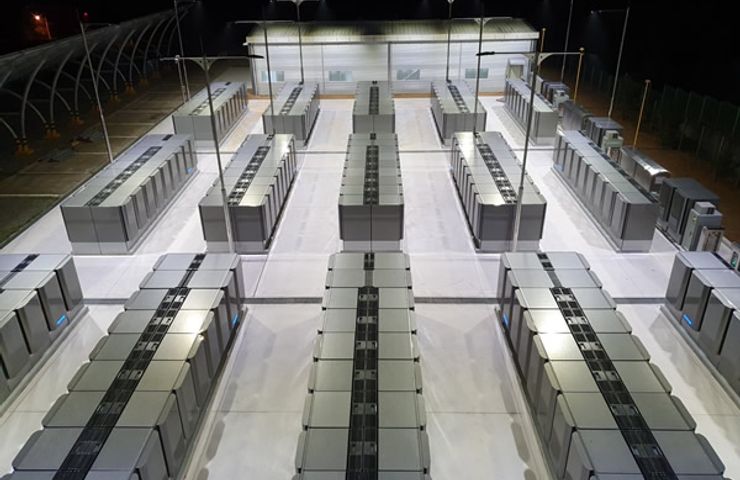
SK Eternix and Bloom Energy have just kicked off the commercial operations of the impressive 31 MW Paju Eco Green fuel cell power plant in Gyeonggi Province, South Korea. Located in Nakha-ri near the inter-Korean border, this plant brings together 94 Bloom Energy 330 kW solid oxide fuel cell modules, aiming to produce about 258 GWh of electricity each year—enough to keep roughly 81,000 homes powered up. With this new addition, SK Eternix is stepping up its game in distributed power generation, pushing forward South Korea’s hydrogen infrastructure.
Leading the Charge with Modular SOFC Technology
The Paju Eco Green plant is shaking things up when it comes to how fuel cell power plants can grow. Each of the 94 Energy Server modules packs 330 kW of net AC power. By wiring these units together to form one cohesive plant, SK Eternix can respond to local power needs in real time. Instead of burning fuel in a turbine, these solid oxide fuel cells make use of a ceramic electrolyte to shift oxygen ions at high temperatures, turning natural gas or hydrogen directly into electricity through an electrochemical process. This non-combustion approach is a lot more efficient than many traditional generators and has the added bonus of capturing waste heat for heating or industrial use. Plus, the modular design makes installation a breeze, speeds up commissioning, and means that if one module needs maintenance, the rest can keep on running.
Strategic Location and Market Impact
Paju’s unique spot just north of Seoul has always influenced its growth, and now it's emerging as a critical player in the capital region's industrial setup. With manufacturing facilities, logistics hubs, and data centers nestled in close proximity, there’s a growing demand for power that puts a strain on transmission lines, leading to potential outages. By planting 31 MW of generation right where the demand is, the Paju Eco Green plant helps ease grid congestion and serves as a reliable power source for vital operations—without the space challenges that big solar or wind farms often face. For businesses looking for on-site resilience, this setup definitely gives them an edge over far-off, centralized power stations.
Hitting a New Milestone in Fuel Cell Growth
This project marks another notch in the steady growth of stationary fuel cell capacity in South Korea. Since 2020, earlier collaborations between SK and Bloom Energy brought in a combined 28 MW at facilities in Hwasung and a first look at Paju, setting a high bar for commercial financing and performance. With the Eco Green plant now up and running, SK Eternix proudly reports that its cumulative operating capacity has hit 200 MW—a significant landmark for any independent fuel cell operator. The total investment for the Paju site is around 224 billion won, a strong signal that investors are feeling good about the economics and reliability of fuel cells. As a low-emission energy source that can be dispatched as needed, this plant acts as a crucial link between sporadic renewables and the steady baseline power that data centers and advanced manufacturing require.
A Collaborative Ecosystem Driving Growth
The success of the Paju Eco Green plant is thanks in large part to a network of partnerships cultivated over eight years. Back in 2018, SK E&C became the first official distributor for Bloom Energy in South Korea, and since then, SK ecoplant has helped bring assembly operations locally and widen market access. Together with SK Eternix, these SK Group affiliates have built a unified renewables branch that industry experts value at about $13 billion, fueled by international investors keen to scale up clean energy assets. This teamwork has sped up technology transfer, created local jobs in equipment assembly and site services, and made project financing less risky—opening the door for even larger and bolder fuel cell deployments nationwide.
Policy Momentum and Grid Resilience
The shifting policy landscape in South Korea has highlighted the importance of distributed generation. New initiatives like the proposed Clean Hydrogen Portfolio Standard and recent reforms around distributed energy aim to weave hydrogen and fuel cells more tightly into the national grid, even as bidding rules evolve. Despite some uncertainties in policy, Paju Eco Green shows that commercial projects can move forward when they address pressing needs for reliability and carbon reduction. For grid operators, distributed fuel cell power plants help lighten the load on transmission lines during peak demand and offer black-start capabilities after outages—enhancing overall resilience as the country integrates more renewables into its energy mix.
Environmental and Economic Benefits
On-site fuel cell generation brings clear environmental perks. By cutting down on transmission losses and replacing diesel backup generators, the Paju plant is set to lower local emissions and enhance air quality. While the exact fuel mix—whether it’s natural gas, biogas, or hydrogen—hasn’t been disclosed, Bloom Energy systems are designed for fuel flexibility, which could pave the way for low-carbon or even zero-carbon operations in the future. The hefty investment of 224 billion won has also generated plenty of skilled jobs during construction and ongoing operations, while helping to develop local supply chains for high-temperature ceramic materials and specialized power electronics.
A Glimpse into the Future
With 31 MW up and running and a verified 200 MW portfolio spread across multiple sites, SK Eternix and Bloom Energy are clearly at the forefront of recent hydrogen fuel cell developments. As more industrial sites and data centers look for dependable, low-emission power, we can expect to see modular solid oxide fuel cell plants sprouting up across South Korea and beyond. The Paju Eco Green project isn’t just another facility; it’s a sneak peek at how distributed power generation and hydrogen infrastructure are set to transform our energy landscape, one modular megawatt at a time.