
Using e-coli, researchers are able to generate ethanol from seaweed
As the issue of alternative energy gains more attention, scientists are looking for ways to generate electricity sustainably. Biofuel is gaining more attention from the science community especially that generated from seaweed. Scientists have targeted seaweed because it draws nutrients from water and requires no fertilizers or pesticides.
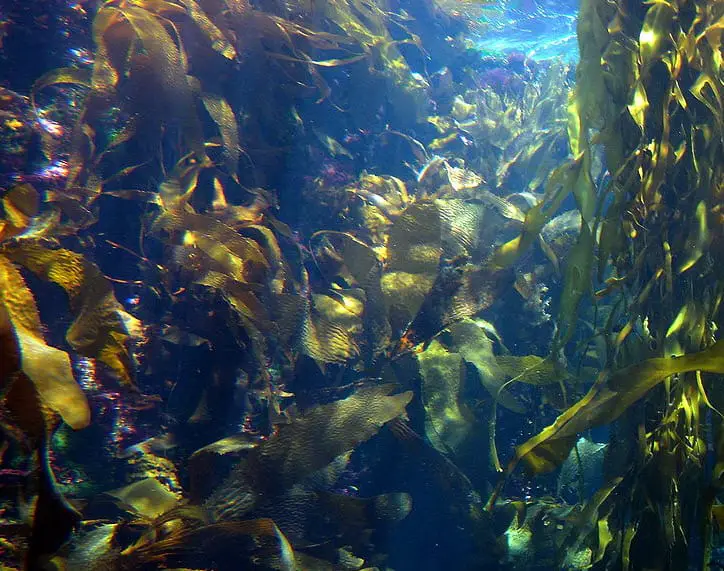
Researchers from the Bio Architecture Lab and the University of Washington have discovered a new way to generate biofuel from seaweed.
As the issue of alternative energy gains more attention, scientists are looking for ways to generate electricity sustainably. Biofuel is gaining more attention from the science community especially that generated from seaweed. Scientists have targeted seaweed because it draws nutrients from water and requires no fertilizers or pesticides.
Scientists have genetically modified a strain of e-coli bacteria, enabling it to consume the sugars found in seaweed and produce ethanol. E-coli has been gaining momentum for its uses in alternative energy systems. Microbial fuel cells make use of the bacteria to generate hydrogen gas, which is then converted into electricity.