Bloom Energy vs. Plug Power - The Rising Stars in AI Data Center Power Supply
In the race towards clean energy and technological advancement, two significant players stand as front-runners in the fuel cell arena—Bloom Energy and Plug Power. Amidst the rising interest in AI data centers, both companies present themselves not only as parts of the sustainable energy movement but also as potential key suppliers of the massive electrical demand these data centers will entail.
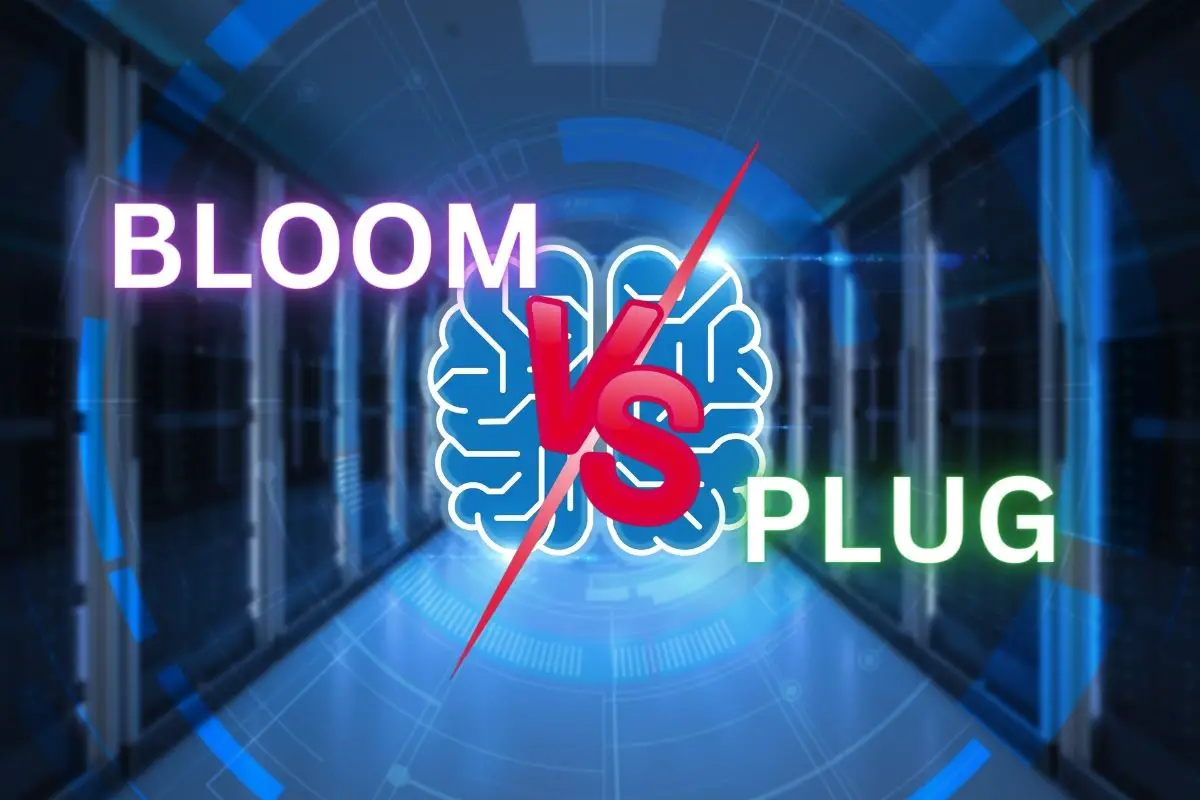
In the race towards clean energy and technological advancement, two significant players stand as front-runners in the fuel cell arena—Bloom Energy and Plug Power. Amidst the rising interest in AI data centers, both companies present themselves not only as parts of the sustainable energy movement but also as potential key suppliers of the massive electrical demand these data centers will entail.
Differing Paths in Fuel Cell Technology
Bloom Energy has charted its course in the fuel cell market with solid oxide fuel cells, typically powered by natural gas. This technology, which does not require an expensive catalyst and operates at admirably high temperatures, finds its niche in stationary and backup power generation. In 2019, Bloom ventured into the hydrogen fuel space by announcing that its Energy Servers could be adapted to run on hydrogen, positioning the company to produce electrolyzers for renewable hydrogen as well.
On the other side of the spectrum, Plug Power specializes in proton exchange membrane (PEM) fuel cells that function entirely on hydrogen. These cells, requiring a costly catalyst like platinum, operate at lower temperatures and are quick to start or stop. These characteristics make them ideal for transportation applications such as forklifts and vehicles, representing a divergence from Bloom's clime.
Bloom Energy's Emergence in the Hydrogen Market
Bloom Energy's foray into the hydrogen market came with the introduction of systems capable of running on hydrogen. This innovation has led to Bloom providing 250-kilowatt Energy Servers—enough to power a significant retail establishment with sustainable energy—while heralding a compact and space-efficient design.
The Intersection of Green Hydrogen and AI Data Centers
Green hydrogen has gained prominence as a worldwide decarbonization strategy, but its application in data centers remains nascent. Yet, both Bloom and Plug Power are seizing the opportunities in these emerging markets.
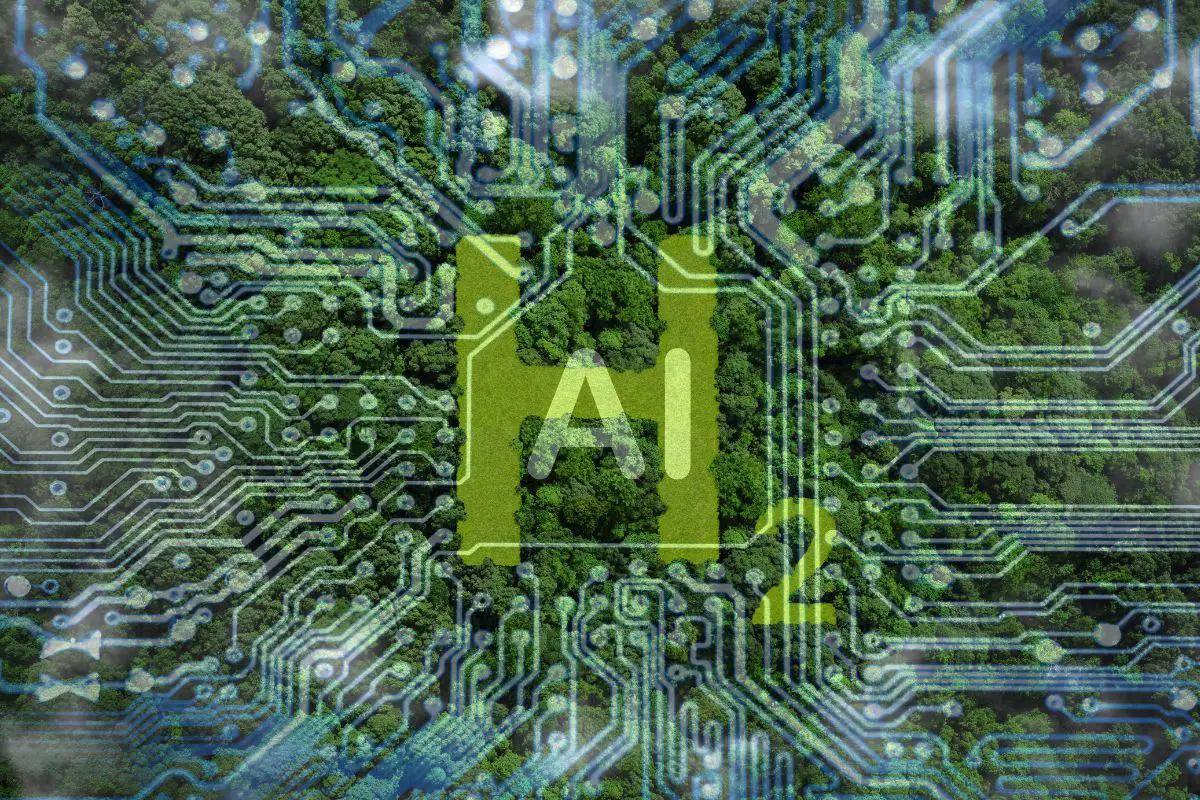
Bloom's commitment to low-carbon power generation makes it a compelling option for AI data centers seeking grid-independent solutions. With the projected boom in electricity demand driven by high-powered AI, Bloom Energy is poised as a stealthy contender in supplying the vital power to meet these demands.
Plug Power has signaled a more distant, yet definitive, entry into the AI data center realm. CEO Andrew Marsh announced that by the latter half of 2025, deployments of Plug's green hydrogen fuel cell systems as backup power options for data centers could begin in earnest. The anticipated surge in demand for zero-carbon hydrogen energy resonates with the objectives of major industry leaders like Amazon, Microsoft, Google, and even Tesla, as they shift away from diesel and towards sustainability.
The Future of Energy in AI Data Centers
A remarkable statistic from the Boston Consulting Group cites that by 2030, the electrical requirements for generative AI platforms could equate to those of around 5 million U.S. homes. This staggering number accentuates the pivotal role companies like Bloom Energy and Plug Power will play in providing the necessary clean energy to power future innovations.
Despite past liquidity concerns and supply chain hurdles in the liquid hydrogen market, Plug Power has recently indicated positive steps towards stabilizing its operations, including nearing the finalization of a significant loan facility with the U.S. Department of Energy.
Conclusion
Bloom Energy and Plug Power, through their differing means but similar ends, are expected to become integral parts of the AI data center ecosystem. Their technologies promise a future where clean energy seamlessly integrates with cutting-edge AI advancements. Looking ahead, both companies are worth watching as they work towards realizing the full potential of hydrogen and fuel cells in powering the data-driven world of tomorrow.