News
Hydrogen Production Push: Houpu-Led Consortium Secures Beihai Green Hydrogen Project
Houpu’s consortium lands China’s latest flagship hydrogen project — but it’s more than EPC. Beihai is shaping up to be a full-stack, off-grid, AEM-powered proving ground for China’s green hydrogen ambitions.
China’s Green Hydrogen Push Picks Up Steam in Beihai
China’s made it clear — it's going all in on green hydrogen. And with the latest project breaking ground in Beihai, it’s not just about boosting hydrogen production. It’s about setting the pace for the future. Back in March 2025, a major milestone was hit when a consortium led by Houpu Clean Energy Group Engineering Technology Co., Ltd. locked in the EPC contract for the Three Gorges Energy Beihai Green Electricity Hydrogen Production Research and Demonstration Project. Translation? China’s not just building — it’s trailblazing.Here’s the Rundown
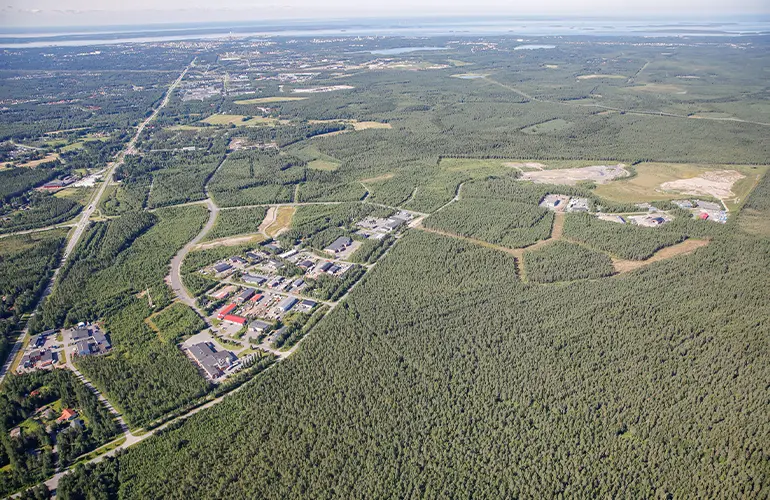
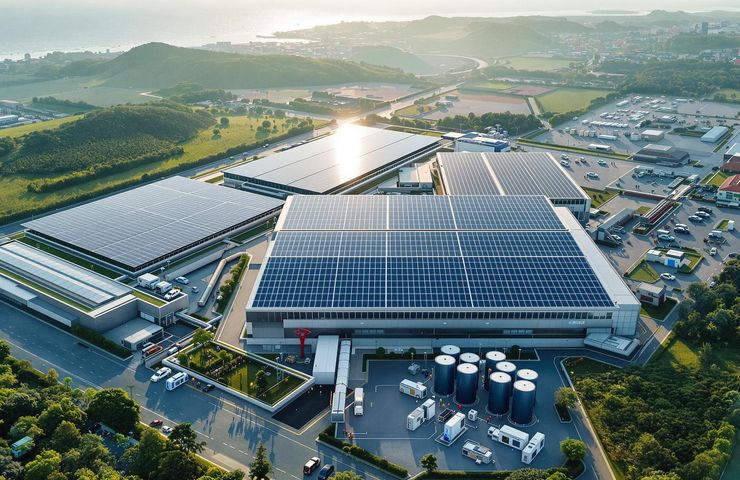
Think of it as a green energy sandbox with serious ambition. The project is rolling out a fully integrated system — distributed solar power, on-site energy storage (ESS), AEM electrolysis for hydrogen production, and yes, hydrogen refueling infrastructure. All of this will be spread out over a 9.5-hectare site, just 15 kilometers from downtown Beihai in China’s Guangxi Zhuang Autonomous Region — a coastal city quietly transforming into a clean energy hotspot. The players behind the curtain:- Houpu Clean Energy – Leading the EPC work
- China Three Gorges Renewables – Project owner
- Shanghai Jiao Tong University – Research and technical advisor
- Shanghai Investigation, Design & Research Institute – Design and engineering lead
- Shanghai Hydrogen Luan Technology – Driving the hydrogen tech
Why This Matters
This isn’t just another hydrogen facility. It’s a pilot with a purpose. It lines up with China’s bigger vision: producing up to 200,000 tonnes of green hydrogen by 2025 — a number expected to grow massively by 2030. The heart of the tech here is Anion Exchange Membrane (AEM) electrolysis, a newer approach that could prove more affordable and easier to scale than older methods like PEM or alkaline systems. The Beihai site is China’s way of testing what a self-contained, off-grid hydrogen production unit looks like — powered by renewables and ready for industrial use and transport. Officially, it’s meant to be “functional, demonstrable, and replicable.” Unofficially? It’s a model for what’s coming next.A Bigger Strategy at Play
Zoom out a little, and you’ll see China’s hedging its energy bets. It knows the days of gray or fossil-based hydrogen are numbered, especially beyond 2030. This project isn't just about clean fuel — it’s about controlling the whole game: from clean energy generation and hydrogen production to storage, logistics, and usage on the road or in factories. The fact that R&D is baked into the build means China’s gunning for homegrown innovation, especially around AEM electrolysis. Why license it later when you can own it now? Also worth noting — don’t underestimate Beihai. It might not be a household name globally, but Beijing’s been quietly turning second-tier cities into cutting-edge tech centers. That means new jobs, highly skilled talent pipelines, and likely a wave of similar hydrogen infrastructure projects popping up nearby.The Tech at a Glance
- AEM Electrolysis: Lower cost, higher efficiency, and perfect for scalable off-grid hydrogen from renewables.
- Distributed PV with ESS: Locks in steady, local power supply without any grid reliance.
- End-to-End Integration: From hydrogen production to storage to refueling — it’s all under one roof.
My Take?
This isn’t just a test — it’s a flag in the ground. China’s saying loud and clear, “We’ve got the resources, the tech, and the willpower to own the green hydrogen future.” And they’re doing it with an eye toward scaling — smart, streamlined, and without depending on the grid. That said, a few details are still under wraps. Financing figures and capacity targets haven’t been publicly confirmed yet. But what we do know? China’s not wondering whether sustainable energy will happen. It’s figuring out how to lead it — fast.What Comes Next
This project isn’t standing still. It’s laying the foundation for national policies, supply chain shifts, and maybe even a quiet move to dominate the global AEM electrolysis scene. Bottom line? Beihai might just be the blueprint for China’s next green leap. Keep an eye on it — this story’s just getting started.How was this article?
Thanks for the feedback!