Hydrogen news
Why are hydrogen fuel cars such a draw in Japan?
Though Toyota has made the biggest headlines, other automakers are committing to H2 as well. Toyota has been outspoken in its passion about hydrogen fuel cars, already having had two versions of its Mirai on the market for several years, but other Japanese automakers have recently collectively agreed to develop their own H2 passenger vehicles. Honda, Kawasaki, Suzuki and Yamaha have all committed to designing H2-powered small vehicles. That said, there has yet to be any specific mention of hydrogen fuel cars. The interest is certainly there, but this particular agreement is focused on a spect…
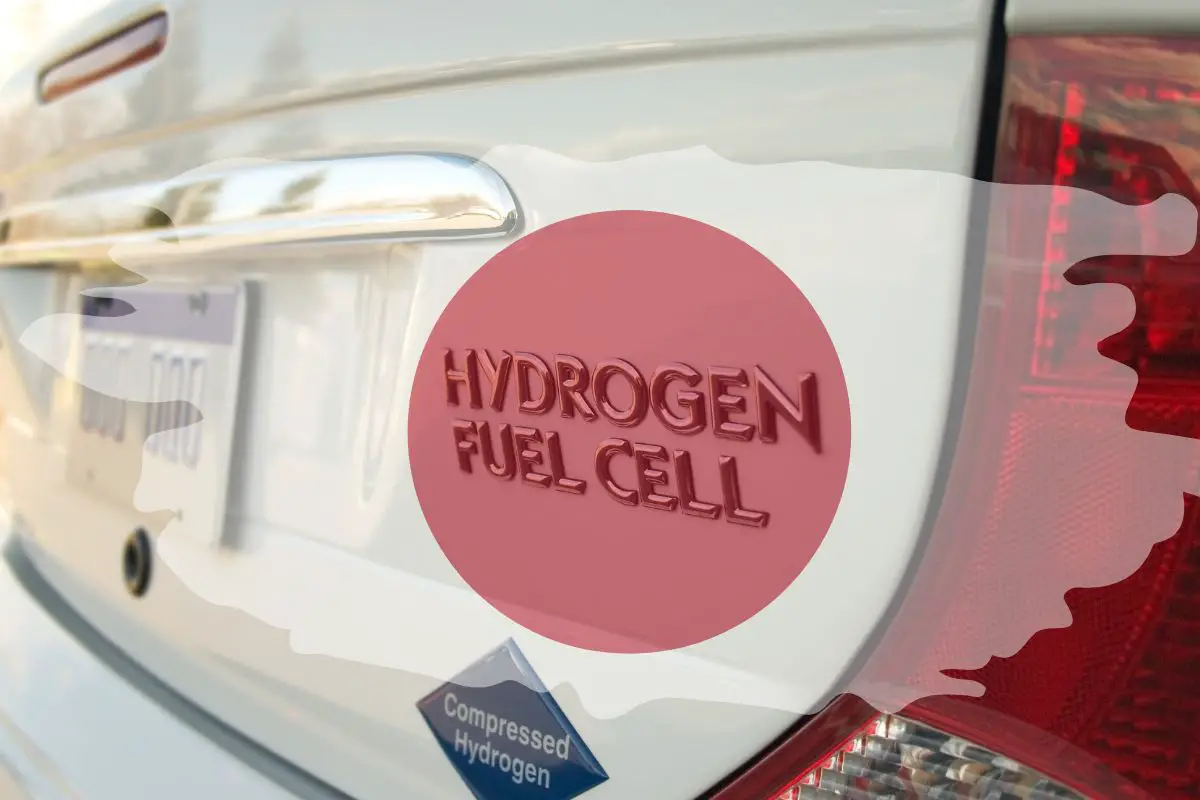
Though Toyota has made the biggest headlines, other automakers are committing to H2 as well.
Toyota has been outspoken in its passion about hydrogen fuel cars, already having had two versions of its Mirai on the market for several years, but other Japanese automakers have recently collectively agreed to develop their own H2 passenger vehicles.Honda, Kawasaki, Suzuki and Yamaha have all committed to designing H2-powered small vehicles.
That said, there has yet to be any specific mention of hydrogen fuel cars. The interest is certainly there, but this particular agreement is focused on a spectrum of vehicles. Among those that are expected to arise from this agreement include motorcycles, drones and even construction equipment. Even if fuel cell cars don’t make it into this mix, there are still Japanese automakers already invested in this technology. As aforementioned, Toyota has already released its own models of H2-powered vehicles and its new CEO has confirmed that it will continue to pursue this technology, even as it simultaneously rolls out battery electric vehicles (BEVs). As was reported by Hydrogen Fuel News, the company is also releasing several vehicles in its Crown line this fall, many of which will come in H2-powered versions. Aside from hydrogen fuel cell vehicles, Toyota has also been behind the development of H2 combustion engines, mainly for some of the brand’s racing vehicles.Why is there such appeal in Japan for hydrogen fuel cars and other vehicles powered by H2?
One substantial motivator for automakers to develop vehicles powered by H2 comes from the Japanese government. This has been the case for several years. As is the situation in Europe, China, and to a smaller extent, the United States, the Japanese government has been calling for an increase in zero-emission passenger vehicles. That said, what has made Japan’s situation different is that in 2017, it also became the first country in the world to have issued a national hydrogen strategy. [caption id="attachment_58866" align="alignright" width="1207"]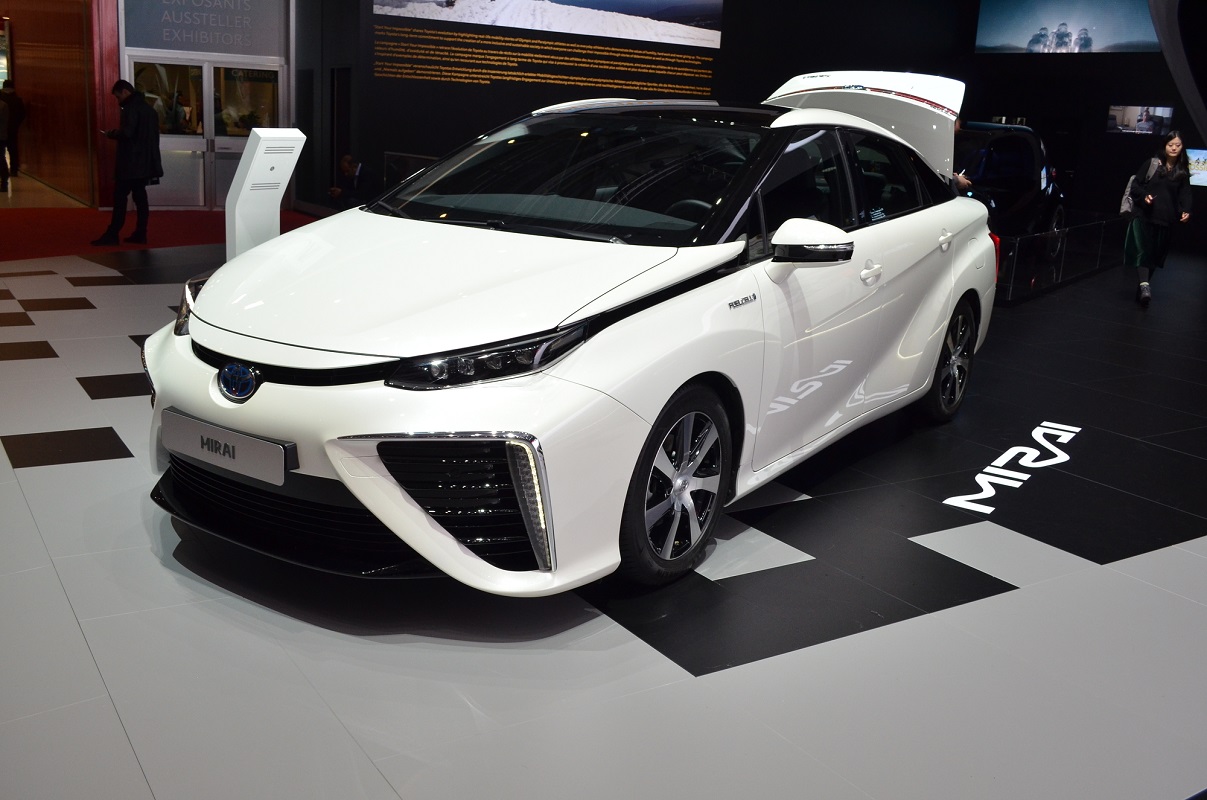 Credit: Photo by depositphotos.com[/caption]
Back then, Honda and Toyota both offered hydrogen fuel cars, with Honda selling the Clarity and Toyota with its Mirai. That said, progress in this area has been bumpy, rather than smooth. Honda reached the point that its CEO Toshihiro Mibe said that despite how much work was put into the development of the H2 vehicle, he had doubts about whether this option would ever function as a mainstream transportation solution. However, that statement was made several years ago, before many other countries started making substantial investments into H2.
Credit: Photo by depositphotos.com[/caption]
Back then, Honda and Toyota both offered hydrogen fuel cars, with Honda selling the Clarity and Toyota with its Mirai. That said, progress in this area has been bumpy, rather than smooth. Honda reached the point that its CEO Toshihiro Mibe said that despite how much work was put into the development of the H2 vehicle, he had doubts about whether this option would ever function as a mainstream transportation solution. However, that statement was made several years ago, before many other countries started making substantial investments into H2.
Collaborating on hydrogen fuel cell cars
Last week, Honda, Suzuki, Yamaha and Kawasaki jointly released a statement saying that they intended to form HySE (Hydrogen Small Engine), a research association. This would be established along with Toyota helping on the edge to see how some of the tech they develop can be adapted for larger vehicles.Starting small
The main focus of the new collaboration is unlikely to be hydrogen fuel cars – particularly not at first – though passenger vehicles can only benefit from the technologies that result. The group also intends to place a focus on H2 combustion technology. Though not as clean as fuel cells, which don’t produce carbon emissions, the goal will be to develop hydrogen combustion alternatives to fossil fuel burning internal combustion engines in order to substantially reduce greenhouse gas emissions, even if they are not entirely eliminated. Interest in H2 combustion has been rapidly growing of late, particularly as electric vehicles (EVs) have been becoming rapidly more popular and their drawbacks – such as charging time, lithium demand, and strain on electrical existing grids (which aren’t necessarily green, themselves) – are finding themselves in the spotlight. Ready to test your knowledge on the most abundant element in the universe? Take our fun and engaging Hydrogen Quiz now! [forminator_quiz id="58712"]How was this article?
Thanks for the feedback!