Hydrogen news
Google and Fervo Energy unveil the first US enhanced geothermal plant
The technology and energy giant are building the first facility of its kind in Nevada. Google and Fervo Energy first started working together on the Project Red geothermal plant project back in 2021 and are now launching the construction of the first enhanced facility of its kind in the United States. The Nevada facility will represent the most powerful among the over 40 enhanced plants in the world. Google’s goal is to use the Fervo Energy Project Red to run its enormous data centers entirely on greenhouse gas emission-free energy by the close of the decade. To achieve this, they created the…
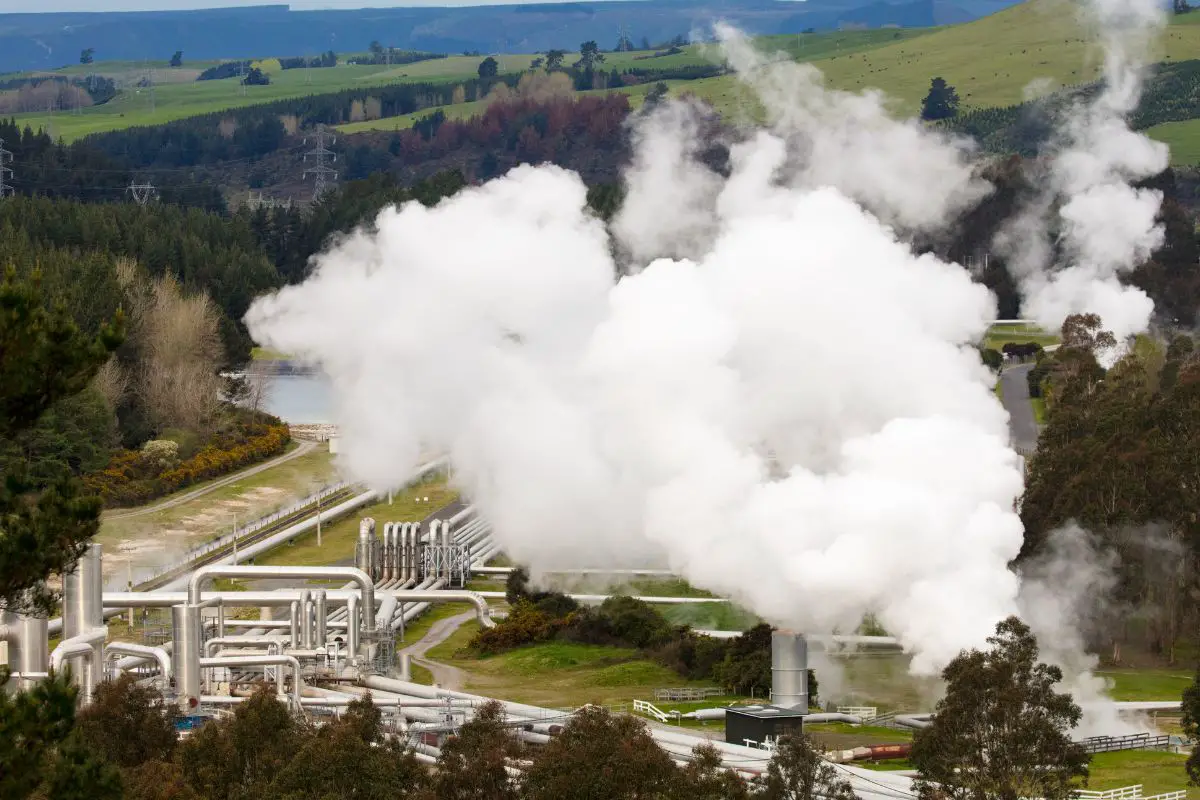
The technology and energy giant are building the first facility of its kind in Nevada.
Google and Fervo Energy first started working together on the Project Red geothermal plant project back in 2021 and are now launching the construction of the first enhanced facility of its kind in the United States.The Nevada facility will represent the most powerful among the over 40 enhanced plants in the world.
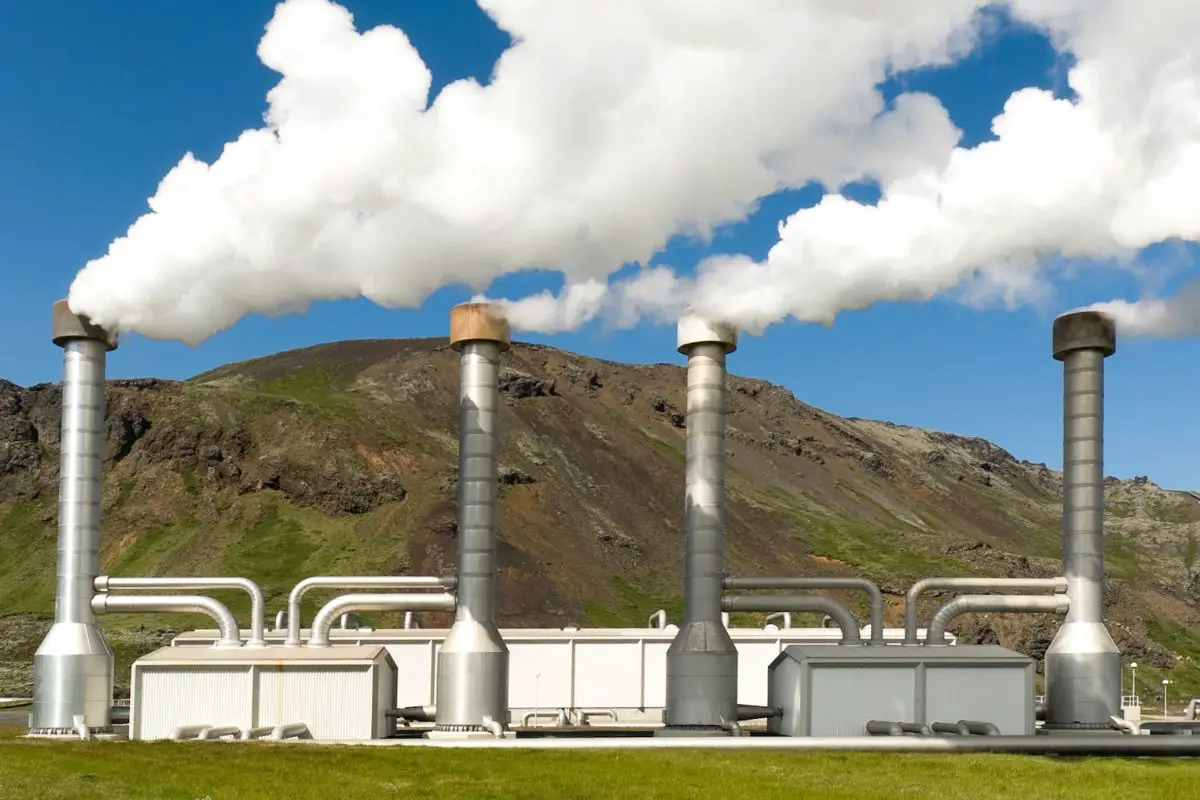
Google’s goal is to use the Fervo Energy Project Red to run its enormous data centers entirely on greenhouse gas emission-free energy by the close of the decade. To achieve this, they created the first ever enhanced geothermal plant in the United States. It will generate zero-carbon emission electricity 24/7. The Project Red 3.5-megawatt facility is already supplying electricity directly to NV Energy, which is based in Las Vegas. The energy supplied is enough to power about 2,600 homes in the area. Though that might not sound like much when compared to the massive gigawatt-capable nuclear facilities in the United States, Project Red represents the most powerful facility of the over 40 enhanced plants currently operating in the world.The geothermal plant project was intended to generate green energy in addition to clean power innovations.
 “When we began our partnership with Fervo, we knew that a first-of-a-kind project like this would require a wide range of technical and operational innovations,” said Google senior director of energy and climate Michael Terrell in a blog post.
Enhanced facilities
A geothermal plant can provide heating, cooling and electricity generation. These facilities are possible nearly anywhere on land. Though they are most well recognized for their use in areas where active natural hotspots exist, such as near geysers and hot springs, the steady supply of heat provided by the earth’s crust can be tapped into from about ten to a few hundred feet below the surface. The amount of naturally occurring heat found underground pretty much anywhere can be harnessed for practical use. This makes it highly available, accessible and also reliable, with a high capacity factor of 74.3 percent. In comparison, solar has a capacity factor of 24.9 percent and wind is only slightly higher at 35.4 percent. Ready to test your knowledge on the most abundant element in the universe? Take our fun and engaging Hydrogen Quiz now! [forminator_quiz id="58712"]How was this article?
Thanks for the feedback!