News
Solar panel cleaning and repair: what you need to know
Yes, solar panels are durable; they can last for three decades. Still, these energy suppliers need maintenance like any equipment. Else, they'll fail you when you need them the most. Let's dive into everything you need to know about solar panel maintenance. Why is it important to maintain solar panels properly? The National Renewable Energy Laboratory (NREL) discovered that soiling—caused by obstructing modules—leads to a 7% energy loss in dusty parts of the United States. Your modules need all the sunlight they can get; efficiency and power generation reduces by 6.5% when you block their su…
Yes, solar panels are durable; they can last for three decades. Still, these energy suppliers need maintenance like any equipment. Else, they'll fail you when you need them the most.
Let's dive into everything you need to know about solar panel maintenance.
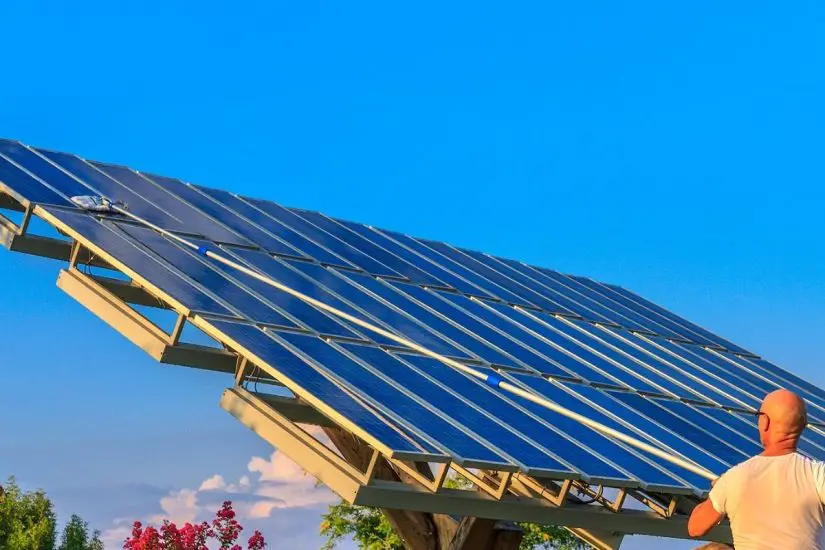
Why is it important to maintain solar panels properly?
The National Renewable Energy Laboratory (NREL) discovered that soiling—caused by obstructing modules—leads to a 7% energy loss in dusty parts of the United States. Your modules need all the sunlight they can get; efficiency and power generation reduces by 6.5% when you block their surface. As stated in the manufacturer's manual, you should maintain your arrays because haphazard cleaning nullifies solar panel warranties. Repairing a module is pricey, so you should hire a professional. Besides reducing power output, stuck debris damages the module and creates hotspots that affect the health of your solar panels. Maintain your system to maximize investment and increase productivity and performance.Things that reduce the efficiency of your solar panels
The things that reduce panel efficiency are grouped into three major categories, blockages, weather conditions, and cleaning mishaps. Blockages come in various forms, and the most typical culprits are caked dust, debris, twigs, pollen, and bird poop. They reduce yield by preventing light from reaching electricity-generating cells. Aside from blockages, the weather can negatively impact solar efficiency. While it's believed that the hotter the weather, the more output you get, it's not all true because the semiconductor influences PV cells. An increase in temperature leads to an increase in voltage and a decreased efficiency. Ever asked yourself why abandoned cars remain dusty despite frequent rains? Rainwater doesn't wash the cars; instead, it leaves dust and chemicals. The same applies to your systems. Never rely on rainwater to clean. Using the wrong cleaning materials can scratch the surface of your modules or leave stains that prevent sunlight absorption and lower efficiency.How do you maintain solar panels?
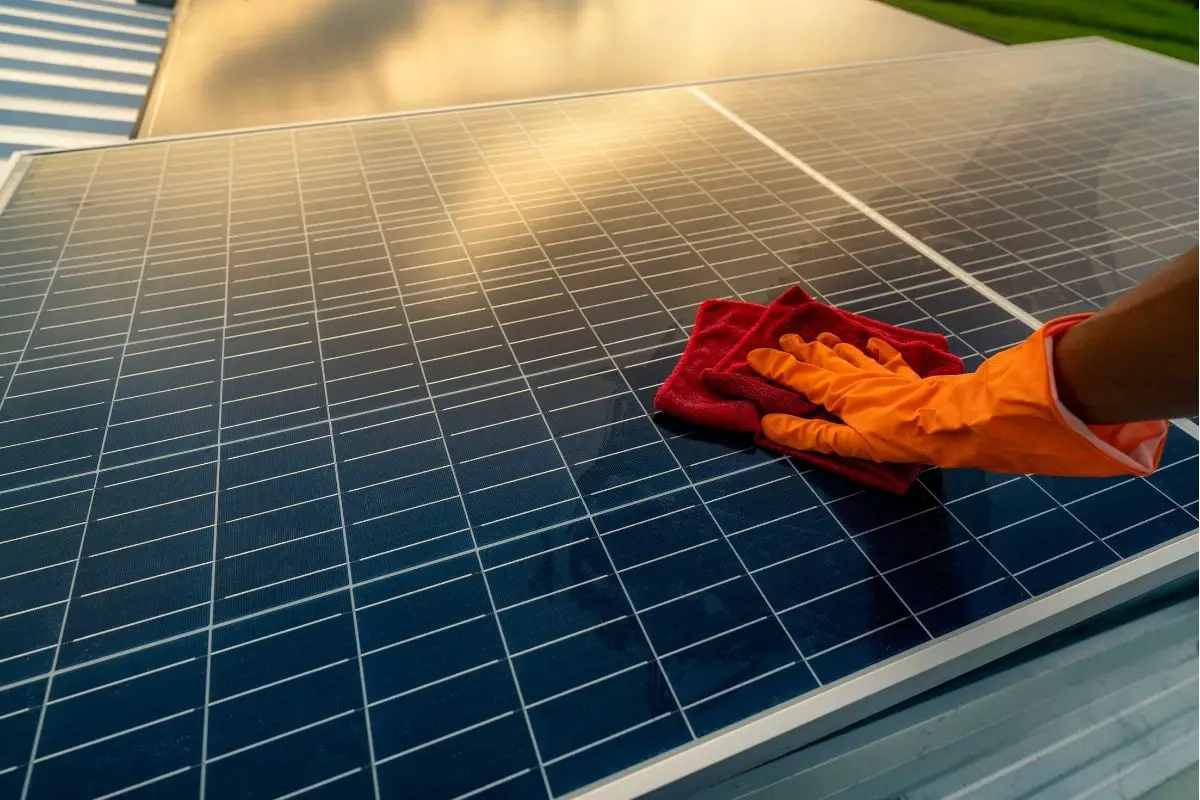
The National Renewable Energy Laboratory (NREL) discovered that panels could last for almost three decades with a degradation rate of 0.5% each year. Although warranties last for about 25 years, regular maintenance is vital to maximizing power output. Maintenance means cleaning modules, checking for blockages (marks, scratches, stains, or cracked glasses), and repairing solar panels and system components. While contemplating hiring professional hands like PPM Solar, the best Florida solar contractor, we've handpicked some tips for maintaining solar panels.- Clean in the morning or on cloudy days. Avoid cleaning under the sun because water dries fast, and soap may stain the modules.
- Clean with foam or soft-bristled brushes and dust off arrays before applying soap, or you'll have a hard time removing the dirt.
- Spray modules with a long hose, not high-pressure jets, to remove dust and leaves; this method works for housetop and ground-mounted systems. You'll need a ladder, squeegee, microfiber, biodegradable soap, harness, and gardening gloves if you're DIY-ing.
Ground panels vs. roof panels: Is there a maintenance difference?
The cleaning and maintenance ground-mounted systems are the same as their rooftop counterparts, except that they're not always tilted. Rain and debris easily slide off angled panels, unlike flat ones which harbor water and debris because there's no runoff. When maintaining housetop systems, you'll need a harness, a ladder, and two people to brace it. Ground systems on the other hand require more cleaning materials and scrubbing.Should you clean solar panels yourself or get outside help?
DIY-ing is undoubtedly cheaper and easier, and all you need is suitable materials. But DIY-ing comes with a long list of cons. The process is time- and energy-consuming and tedious with a high risk of error; you also cannot repair solar panels. We're prone to forget stuff, make mistakes, and err from poor judgment. It's part of who we are. When cleaning solar panels, you can use the wrong washing supplies or snatch up the stiff broom leaving stains and scratches all over your modules. The last thing you want is falling off your roof when checking for debris or trying to clean. Instead of becoming Humpty Dumpty, install CCTV for solar panel monitoring—another aspect you need expert hands. Why take the risk when you can save with PPM Solar and get a commercial solar power systems in Florida. At PPM Solar, we use the best maintenance procedure and intelligent solutions. Our technicians are highly-trained and able to identify and fix faults in solar systems. Summing up While the longevity of your modules does not necessarily lie in your hand as they're built to last, their efficiency and energy yield depend on you. All you need to do is reach out to a professional installer for zero leaks (source) and apply our tips for the maintenance of solar panels.How was this article?
Thanks for the feedback!