Hydrogen news
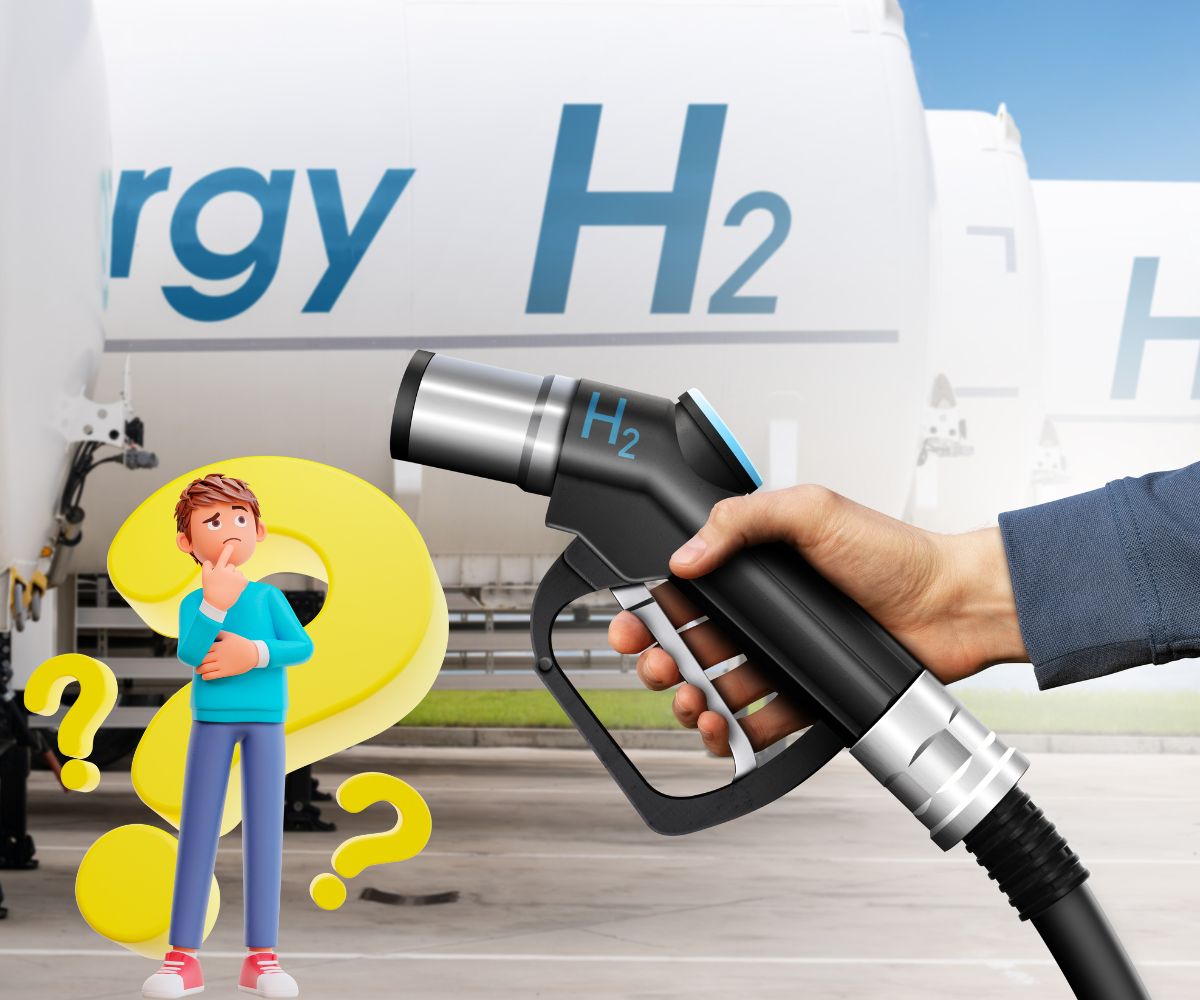
Is hydrogen fuel dangerous to use?
Many people think of H2 and instantly call to mind the Hindenburg disaster. It’s not uncommon for people to wonder if hydrogen fuel is dangerous when they haven’t had any direct experience using it for increasingly common purposes such as generating electricity with a fuel cell. There is a great deal of misunderstanding circulating with regards to the use of H2 as an energy source. Many people think of disasters such as the Hindenburg, mushroom clouds or even the Challenger explosion when they talk about hydrogen fuel. However, these are all based on misunderstandings of the facts or confusio…
Many people think of H2 and instantly call to mind the Hindenburg disaster.
It’s not uncommon for people to wonder if hydrogen fuel is dangerous when they haven’t had any direct experience using it for increasingly common purposes such as generating electricity with a fuel cell.There is a great deal of misunderstanding circulating with regards to the use of H2 as an energy source.
Many people think of disasters such as the Hindenburg, mushroom clouds or even the Challenger explosion when they talk about hydrogen fuel. However, these are all based on misunderstandings of the facts or confusion between completely different concepts. To start, yes, the Hindenburg was a type of airship filled with H2 and that dropped to the ground in a massive fiery disaster in which people were killed. However, it was not caused by the H2. NASA and other experts have shown that other factors caused the fire. Indeed, it was worsened by the presence of H2, but the Graf Zeppelin – a similarly airship with a superior design quality – was able to fly for almost ten years and across over one million miles filled with hydrogen without incident.
When it comes to the other two issues, a mushroom cloud is caused by the detonation of a nuclear bomb, not from hydrogen, and the Challenger shuttle explosion was caused by a solid-oxide rocket booster O-ring failure, again, not H2.
To start, yes, the Hindenburg was a type of airship filled with H2 and that dropped to the ground in a massive fiery disaster in which people were killed. However, it was not caused by the H2. NASA and other experts have shown that other factors caused the fire. Indeed, it was worsened by the presence of H2, but the Graf Zeppelin – a similarly airship with a superior design quality – was able to fly for almost ten years and across over one million miles filled with hydrogen without incident.
When it comes to the other two issues, a mushroom cloud is caused by the detonation of a nuclear bomb, not from hydrogen, and the Challenger shuttle explosion was caused by a solid-oxide rocket booster O-ring failure, again, not H2.
With historical misunderstandings cleared up, is modern hydrogen fuel actually safe to use?
According to the US Department of Energy (DoE), all fuels, by their very nature, are associated with a certain amount of danger. Using fuels safely means preventing the presence of a source of ignition, oxidant and fuel at the same time. At the same time, the DoE’s official website also points specifically to H2 as particularly safe to handle and use when compared to some of the other types of fuel currently in common use. Similarly, a report published by the Natural Resources Defense Council showed that there are a number of factors that make hydrogen fuel notably safer than conventional alternatives.
What makes H2 safer?
Among the factors identified that make H2 safer than conventional alternatives are:- It is non-toxic – Unlike conventional alternatives, H2 is not toxic to humans or the environment. The H2 itself, the emissions produced from its use (water vapor), and any unintentional spills are all free of toxins such as the carcinogens and other harmful substances in gasoline, diesel and the emissions from their use or spills.
- H2 disperses rapidly – At 14 times lighter than air and a massive 57 times lighter than gasoline vapor, any H2 released or leaked (deliberately or not) will rapidly disperse, shrinking any risk of ground-level ignition.
- Higher oxygen requirement for explosion – H2 can become explosive, but it needs an oxygen concentration between 18 percent and 59 percent. Conventional gasoline needs an oxygen concentration of only 1 percent to 3 percent to become explosive.
- Lower radiant heat than gasoline – H2’s radiant heat is lower than that of conventional gasoline used in vehicles. This means that a flame from H2 doesn’t produce as much heat in the air around it as is the case when gasoline burns. Therefore, secondary fire risk associated with the use of H2 isn’t as high as it is with conventional alternatives.
Progress is ongoing with hydrogen fuel safety standards
H2 has been around for a long time, which means that there has also been a long time for safety standards to develop and improve. It’s used in everything from the production of fertilizer to rocket fuel, so countries and companies have studied its proper handling and use and have created regulations to be followed in order to ensure this is accomplished safely. Strict protocols and standards are in place due to the collaboration among the International Code Council, the Hydrogen Industry Panel on Codes, and the National Fire Protection Association. That said, standards are continuing to develop based on the rapidly evolving uses for hydrogen fuel in a decarbonizing world. For instance, since H2 is odorless and colorless, fueling stations, facilities and equipment are required to incorporate sensors to detect it. Furthermore, hydrogen fuel cell vehicle H2 storage tanks must undergo rigid testing standards such as exposure to temperature and pressure extremes before they can be used. Overall, when safely handled, hydrogen fuel is measurably less dangerous than many of the other common fuels we use or are exposed to in our everyday lives. Still, governments, industries and companies are continuing to develop stringent safety protocols to keep up with the rapidly increasing and changing use of H2 worldwide.How was this article?
Thanks for the feedback!