Industrial Decarbonization: LANXESS Pioneers Hydrogen-Fired Spray Dryer at Krefeld-Uerdingen
LANXESS retrofits its Krefeld-Uerdingen spray dryer to run on hydrogen, cutting 6,000 t of CO₂ per year and showcasing a replicable, incident-relevant conversion in Germany’s chemical parks.
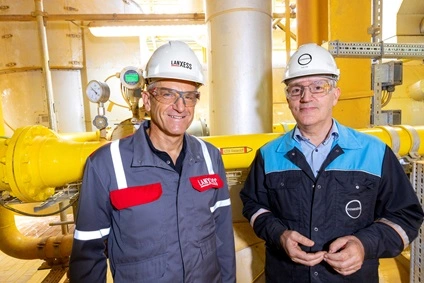
LANXESS AG has taken a significant step by converting the spray dryer at its Krefeld-Uerdingen iron oxide pigment plant to use hydrogen fuel instead of traditional natural gas. This move marks a major milestone as one of the first continuous, large-scale applications of hydrogen combustion in Germany's industry. It's expected to cut down around 6,000 metric tons of CO₂ emissions each year, which is quite a feat!
Market Impact
By harnessing co-product hydrogen from Covestro AG’s nearby chlor-alkali electrolysis facility, LANXESS saves on the hefty costs associated with adding new electrolyser capacity and sidesteps the high price tag of imported green hydrogen. This efficient supply strategy not only slashes operating expenses but also speeds up the return on investment compared to full-scale green hydrogen projects.
On the flip side, LANXESS is boosting its offerings of low-carbon iron oxide pigments right when businesses in construction, plastics, and coatings are upping their sustainability game. Plus, this project sets a solid example for integrated chemical parks across North Rhine-Westphalia and beyond, where shared hydrogen infrastructure could give companies a competitive edge.
Technical Snapshot
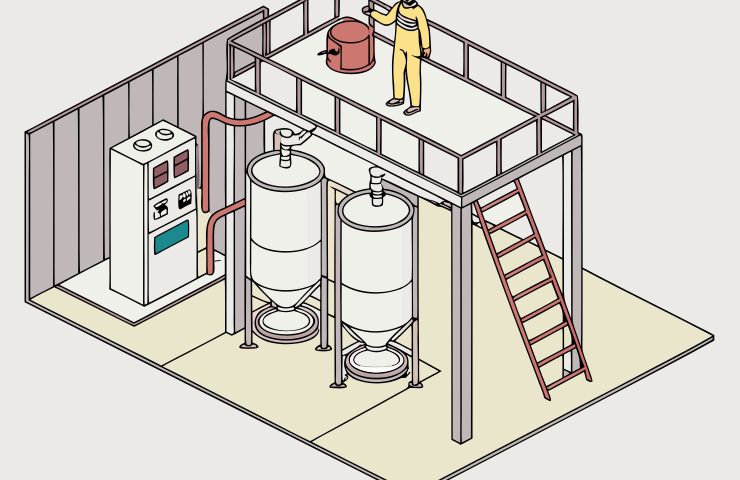
The retrofit zeroed in on a large spray dryer that's crucial for turning Laux-process pigment suspensions into dry powders using inlet temperatures over 300 °C. Here’s a quick rundown of what was done:
Regulatory Framework
The District Government of North Rhine-Westphalia classified this conversion as an incident-relevant modification under § 16a BImSchG. They found that it wouldn't negatively impact noise levels, air emissions, waste, or safety distances. The cool part? No new permit was needed, which sped up the project's launch while still keeping a tight grip on environmental and safety regulations.
Context in Germany’s Hydrogen Strategy
As part of Germany’s National Hydrogen Strategy, the focus is on using hydrogen for processes that really can’t go electric—like high-temperature industrial heat. The Ruhr/Rhine corridor has been home to integrated hydrogen networks since the 1960s, and new initiatives aim to connect chemical parks like Krefeld-Uerdingen to a national hydrogen infrastructure by 2030. This project from LANXESS taps into that rich history, showing how existing co-product streams can help bridge the gap until renewable hydrogen becomes widely available.
Cost and Supply Considerations
Right now, the cost of dedicated green hydrogen in Germany is hovering around €200 per MWh, which is quite a bit more than the implied cost of co-product hydrogen. By avoiding the need for additional compression, transportation, or grid upgrades, LANXESS can cut down on its fuel expenses and skip the investment in new electrolysis. That 6,000 tons of CO₂ emissions reduction could even translate into value through climate protection contracts or EU carbon pricing schemes.
Main Insights
Parallel Developments
Many other German sites are experimenting with hydrogen blends or smaller burners, but few are on the same scale or have the continuous operation capabilities as LANXESS. Supported by IPCEI Hydrogen funding and climate protection contracts, these pilots are building the technical and regulatory know-how necessary for a smooth transition to hydrogen in industries.
Expert Perspective
Industry experts point out that hydrogen combustion matches natural gas in energy efficiency while doing a better job at slashing on-site CO₂ emissions. The LANXESS initiative highlights the importance of having stable supply agreements and effective NOx management. With the pace of hydrogen infrastructure investments picking up steam, projects that combine co-product streams with targeted equipment upgrades can set the stage for fully green hydrogen applications.
Future Outlook
Looking to the future, Krefeld-Uerdingen might just incorporate renewable hydrogen or move to a fully green supply once they establish connections to national pipelines. This demonstration could pave the way for commercial off-take agreements and inspire similar upgrades in sectors like steel, cement, and glass—places where high-temperature process heat is crucial.
In essence, LANXESS’s hydrogen-fired spray dryer is a fantastic real-world example of how industrial decarbonization can be achieved through hydrogen infrastructure. It opens the door for chemical producers and energy strategists alike to cut down on fossil fuel dependence and reach ambitious climate targets.