Hydrogen news
New discovery may help hydrogen production from urea be more than just a pipe dream
Researchers find nickel and cobalt could be key to the production process. US researchers from the Worchester Polytechnic Institute are investigating hydrogen production from urea and have developed a material built of nickel and cobalt atoms with carefully tailored electronic structures to remove urea from water for the purpose of transforming it into hydrogen gas. What is urea and why use it to produce hydrogen? Urea is a low-cost nitrogen agriculture fertilizer. It is also a natural chemical waste product from human metabolism. According to the scientists behind the hydrogen production res…
Researchers find nickel and cobalt could be key to the production process.
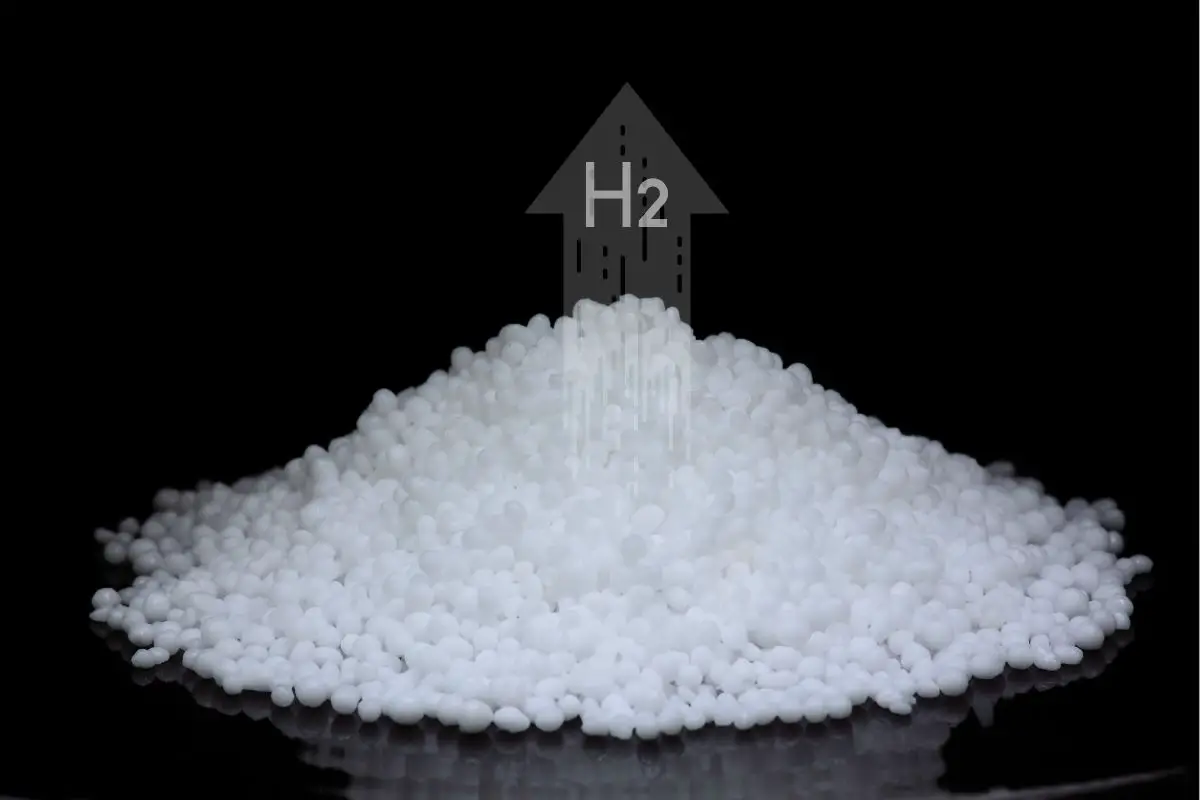
US researchers from the Worchester Polytechnic Institute are investigating hydrogen production from urea and have developed a material built of nickel and cobalt atoms with carefully tailored electronic structures to remove urea from water for the purpose of transforming it into hydrogen gas.What is urea and why use it to produce hydrogen?
Urea is a low-cost nitrogen agriculture fertilizer. It is also a natural chemical waste product from human metabolism. According to the scientists behind the hydrogen production research, in 2021, alone, an estimated 180 million metric tons of urea were produced globally. However, agricultural runoff and municipal wastewater discharge that is rich in urea is harmful to the aquatic environment and to human health, due to it causing eutrophication-harmful algal blooms and hypoxic dead zones. However, urea’s unique characteristics make it a potential hydrogen storage medium, capable of offering viable on-demand hydrogen production. An example noted by the scientists is that urea is non-toxic, has high water solubility and has high hydrogen content (6.7% by weight). As such urea electrolysis for H2 production has the potential to be more economical and energy efficient compared to traditional water electrolysis.The researchers’ hydrogen production method allows them to selectively oxidize urea.
Urea electrolysis is needed to produce hydrogen from urea. The primary challenge of making hydrogen from urea is that inexpensive and highly efficient electrocatalysts that selectively oxidize urea instead of water are lacking.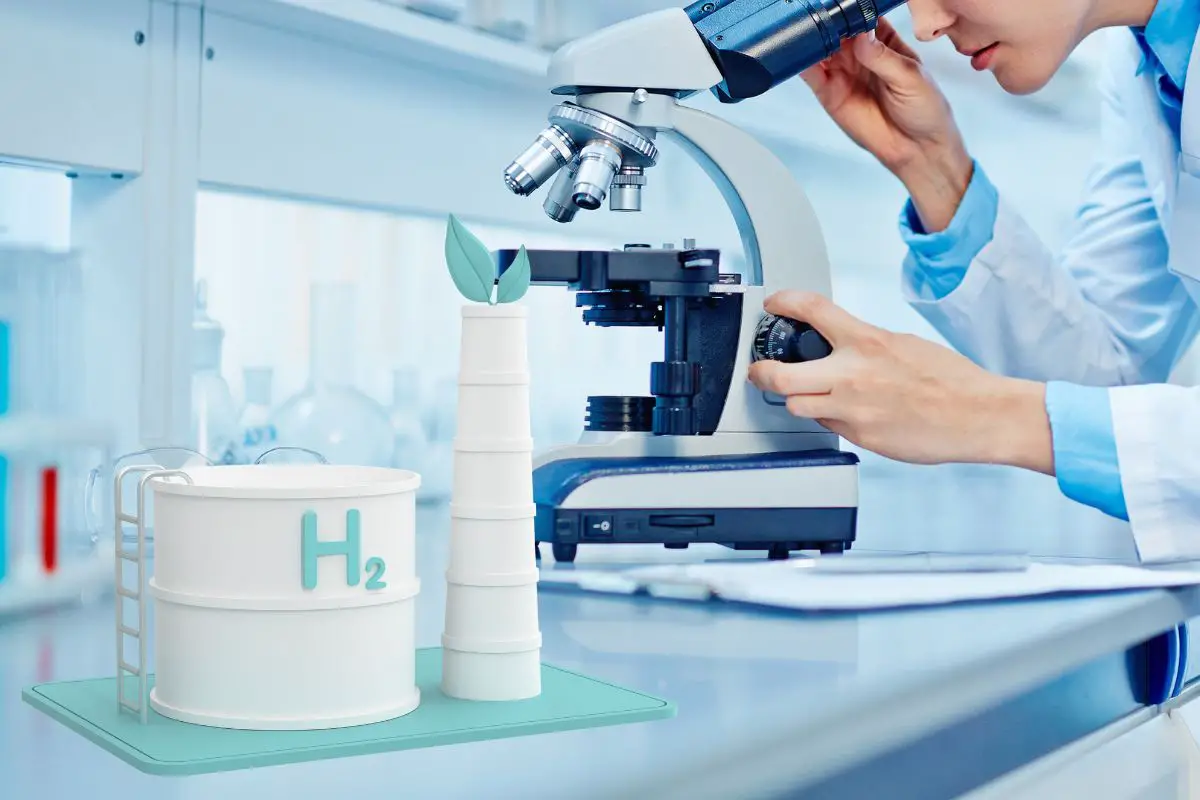 That said, the scientists found a solution to the issues by creating electrocatalysts that are composed of synergistically interacted nickel and cobalt atoms with unique electronic structures for selective urea electro-oxidation.
Using the material they constructed of nickel and cobalt atoms with carefully electronic structures, the team of researchers could enable these transition metal oxides and hydroxides to selectively oxidize urea in an electrochemical reaction.
That said, the scientists found a solution to the issues by creating electrocatalysts that are composed of synergistically interacted nickel and cobalt atoms with unique electronic structures for selective urea electro-oxidation.
Using the material they constructed of nickel and cobalt atoms with carefully electronic structures, the team of researchers could enable these transition metal oxides and hydroxides to selectively oxidize urea in an electrochemical reaction.
Revolutionizing water energy.
The researchers’ finding could be beneficial in helping use urea in waste streams for efficient hydrogen production via the electrolysis process. Additionally, it could be used to sequester urea from water, which could support maintaining the long-term sustainability of ecological systems as well as revolutionize the water energy. The scientists’ paper about their urea-based hydrogen production research was published in the Journal of Physical Chemistry Letters. Ready to test your knowledge on the most abundant element in the universe? Take our fun and engaging Hydrogen Quiz now! [forminator_quiz id="58712"]How was this article?
Thanks for the feedback!