Hydrogen Production: DGEC Prepares Second Wave of Green Hydrogen Electrolysis Support
France’s DGEC plans a second round of electrolysis subsidies to drive 1 GW of green hydrogen capacity and narrow the cost gap with fossil-based hydrogen.
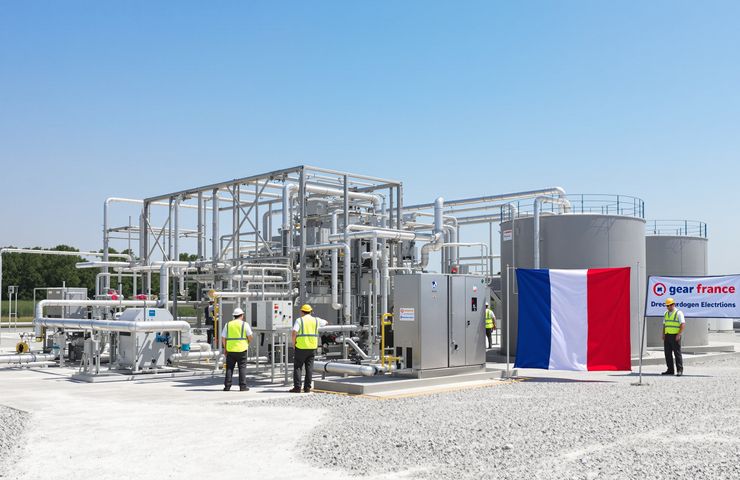
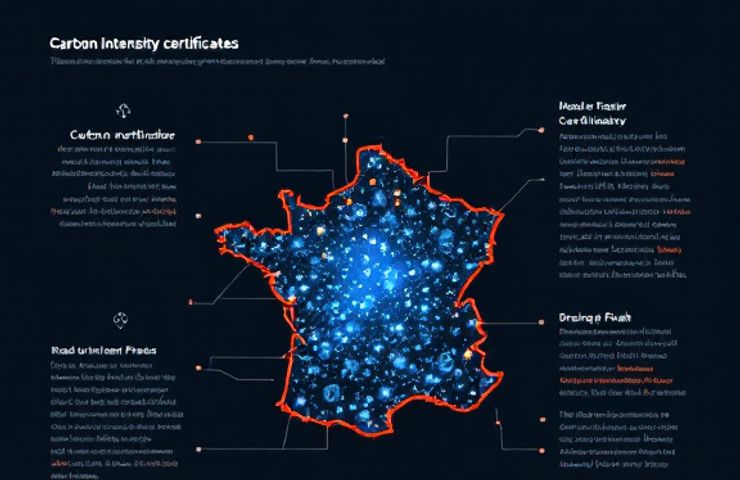
France is ramping up its game in the green hydrogen scene by rolling out a second round of state support aimed specifically at boosting green hydrogen production through electrolysis. After selecting three winners in a previous round, the Direction générale de l’énergie et du climat (DGEC) is setting its sights on expanding its capacity to hit that ambitious 1 GW goal laid out in the national hydrogen strategy.
Fast Facts and Stakes
This support initiative kicks off under France's refreshed hydrogen roadmap, which aims for an impressive 4.5 GW of electrolyser capacity by 2030 and 8 GW by 2035. They've set aside a solid budget of around €4 billion for production subsidies, which will be disbursed over a maximum of fifteen years to help close the cost gap with hydrogen generated from fossil fuels. One key requirement is that these projects must be built on French soil, supplying industrial users in sectors like chemicals, refining, and steel. The Agence de la transition écologique (ADEME) is in charge of managing this competitive process on behalf of the state.
Under the Hood: How the Mechanism Works
Instead of a one-off grant, this initiative operates as a production subsidy that boosts revenues when market prices fall short. Basically, each electrolyser project signs a contract that acts like an insurance policy—if the sale price of hydrogen doesn’t meet production costs, the state makes up the difference. This approach is all about reducing the risks for investors diving into an emerging sector where power costs and capital expenses are often higher than returns.
Technical Dive: Cost Dynamics of Electrolysis
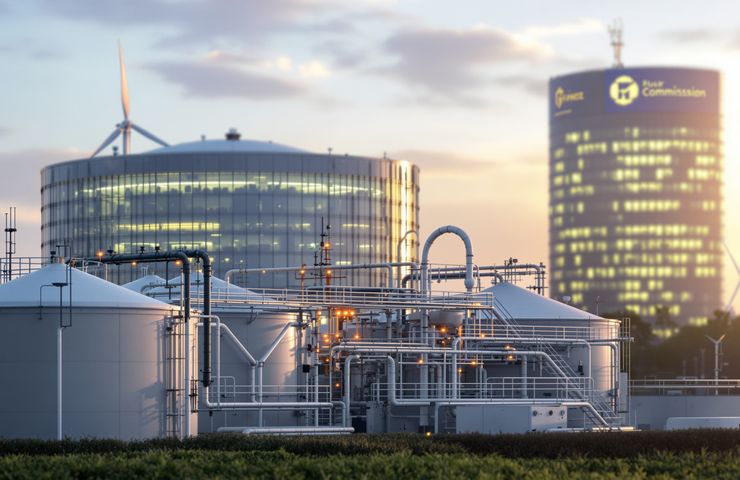
Electrolysis uses electricity to split water into hydrogen and oxygen, so the economics hinge on power prices, the efficiency of the electrolyser, and the cost of the devices themselves. Currently, capital costs range from €800 to €1,200 per kW of capacity, while grid and renewable electricity prices can make up over 60% of operational costs. The idea behind these subsidies is to help even things out long enough to bring down technology costs as production scales up and industries learn the ropes.
EU Green Light
This summer, the European Commission gave the thumbs up to the state aid framework—a crucial step forward. They found that the subsidy system aligns well with the EU's single market as long as it stays open to competition and sticks to the budget limits. That green light opens the doors for binding calls for projects without the fear of legal hurdles around state aid.
Tension in the Ranks
But it’s not all smooth sailing. A critical report from the Cour des comptes raised some eyebrows, suggesting that the total public costs—combining direct grants and implicit support like discounted electricity—could far surpass official estimates. They’ve also questioned whether these projects will actually deliver the promised capacity on time, and pointed out that any indirect subsidies tied to electricity could put a strain on public finances if renewable sources remain scarce.
Strategic Angle
Beneath all the numbers lies a bigger goal: to establish a competitive supply chain for electrolysers in France, spanning everything from manufacturing to system integration. The government believes that by creating demand with guaranteed revenues, they can draw in equipment manufacturers, engineering firms, and attractive finance options. It’s a classic industrial policy move aimed at bolstering European sovereignty against cheaper competitors outside the region.
Road Ahead
The specifics of the second call—like how much capacity, the exact timeline, and allocation rules—are still a bit of a mystery. Industry buzz suggests they might roll out around 250 MW initially, with a larger tranche set for next year. Until that official notice hits, developers and financiers are in a bit of a holding pattern, weighing the hope of subsidies against the looming risk of further delays.
Let’s be real: subsidies on their own won’t create a thriving market. Power prices need to stabilize, electrolyser manufacturers have to ramp up, and buyers of hydrogen need to commit to long-term contracts. Otherwise, Paris might find itself in a position of backing stranded assets instead of kicking off a robust domestic green hydrogen industry.
So, will France flex its policy muscles to create a self-sustaining hydrogen market, or will costs and grid challenges keep these projects waiting at the starting line?