Finland’s Hydrogen Sauna Boat Demonstrates Clean Marine Mobility
Central Finland Mobility Foundation and Yamaha Motor unveiled a modular Hydrogen Sauna Boat integrating fuel cell propulsion, direct heating, and swappable cartridges, advancing remote marine hydrogen infrastructure.
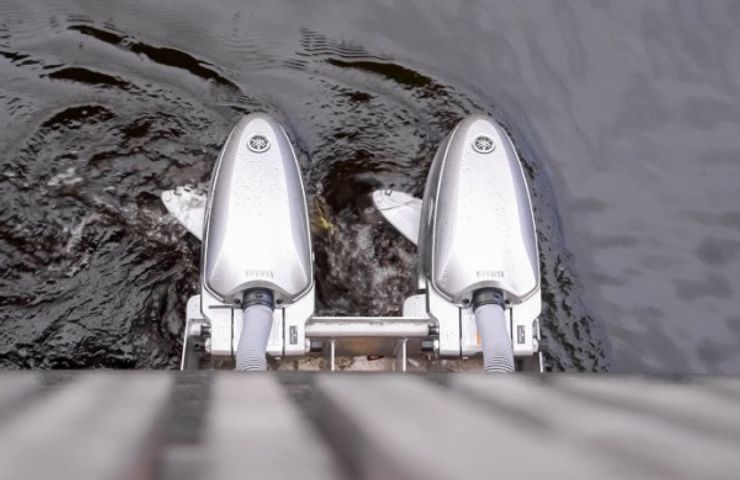
This month, the Central Finland Mobility Foundation (Cefmof) and Yamaha Motor Co., Ltd. introduced a groundbreaking proof-of-concept, the Hydrogen Sauna Boat, on the picturesque lakes of Jyväskylä. This innovative craft combines hydrogen fuel cell technology, swappable cartridges, Yamaha’s excellent HARMO electric propulsion system, and direct hydrogen heating—all in one stunning package. It’s been generating plenty of buzz in hydrogen news circles, as it beautifully blends tradition with cutting-edge technology while pushing forward hydrogen infrastructure and energy management research in remote waterways.
Cefmof and Yamaha Lead the Charge
At the heart of this demonstration is the nonprofit Central Finland Mobility Foundation (Cefmof), which is committed to promoting sustainable mobility and harnessing hydrogen technologies in real-world settings. Founded through a collaboration involving Jyväskylä City, the Toyota Gazoo Racing World Rally Team, and the Toyota Mobility Foundation, Cefmof has made strides in hydrogen mobility. Their portfolio includes hydrogen bus trials, pilot refueling stations, and educational outreach to the community.
As the tech partner, Yamaha Motor brings its state-of-the-art HARMO electric boat control and propulsion system to the mix. This collaboration marks Yamaha’s first venture into marine hydrogen-electric applications with external partners. With over six decades of experience in marine propulsion, Yamaha is using this project to validate its systems operating with clean hydrogen and to collect vital data on performance, safety, and user experience.
The project also emphasizes collaboration with local regulators, who will utilize this data to enhance certification pathways for hydrogen vessels. This joint effort reflects Central Finland’s aspiration to create a supportive ecosystem for hydrogen innovations across both land and water transport, paving the way for future policies and investments.
The public unveiling coincides with Rally Finland, ensuring a global spotlight on this ambitious project among industry leaders and motorsport enthusiasts. Event attendees can look forward to silent boat rides and insightful discussions from project leaders about the challenges of integration and plans to scale these innovations.
Integrated Hydrogen Technologies
The Hydrogen Sauna Boat cleverly integrates four key technologies:
• Fuel Cell Power: A hydrogen fuel cell generates electricity from stored hydrogen, serving as an onboard generator for propulsion and auxiliary systems without any combustion involved.
• HARMO Electric Propulsion: Yamaha’s rim-drive unit offers efficient thrust at lower speeds, keeping vibrations and noise to a minimum—crucial in wildlife-sensitive lake environments.
• Direct Hydrogen Heating: Apart from generating electricity, hydrogen fuels a sauna heater and a grill, producing only water vapor during combustion, in line with regional goals for zero-emission hospitality on watercraft.
• Swappable Cartridges: Portable hydrogen modules allow for quick exchanges at the dock. Each cartridge holds about one kilogram of hydrogen, making logistics easier where fixed hydrogen refueling stations aren’t available.
Engineers will be keeping an eye on system health, including pressure, temperature, and flow rates, using onboard telematics. This will help build a detailed dataset on hydrogen fuel cell technology integration under real marine conditions, informing future designs.
Swappable Cartridges Unlock Remote Operations
For traditional boating, refueling usually depends on shore infrastructure, which can be hard to find outside major ports. This demo takes that challenge on directly: crews can swap empty hydrogen cartridges for fresh ones in under 10 minutes, allowing for quick turnarounds. As per project insights, just one kilogram of hydrogen can power all systems for about two hours—whether for long lake voyages or a complete sauna experience. Independent measurements are still upcoming, but the potential is exciting.
This modular take on hydrogen storage methods also simplifies the weight and complexity associated with high-pressure vessels. Each cassette includes built-in pressure regulators and leak-detection sensors, ensuring they meet international marine safety standards. Standardized couplings make training easier for operators and help streamline maintenance, suggesting scalable solutions for decentralized refueling networks.
A Cultural and Environmental Showcase
In Finland, the sauna is more than just a pastime; it’s woven into the country’s very identity. So, showcasing a hydrogen sauna boat on its lakes creates a powerful cultural narrative. Passengers can relax on silent cruises, free from engine noise or exhaust fumes, while the heat comes from clean-burning hydrogen. This blend of heritage and modern technology highlights how hydrogen can meet both transport needs and hospitality roles without compromising air quality or disturbing wildlife.
Local authorities and environmental groups see the project as a living lab. Early feedback indicates that passengers love the unique experience offered by the hydrogen sauna boat, showing promise for boosting off-peak tourism and enhancing Finland’s standing as a leader in sustainable innovations.
Quantifying the Impact
During its initial trials on the lakes, the Hydrogen Sauna Boat recorded multiple test voyages while adjusting to various loads. Key performance metrics include:
– Approximately two hours of runtime per kilogram of hydrogen for propulsion and heating.
– Cruising speeds between 4 and 6 knots—perfect for leisurely sightseeing.
– The sauna heating system’s thermal efficiency exceeded 60%, based on heat output compared to hydrogen input.
– Noise levels stayed below 50 decibels at 3 knots, akin to a quiet chat.
Operational teams are also practicing cartridge handling and emergency response drills, minimizing risks for future deployments and setting impressive new benchmarks for hydrogen-powered marine safety.
Future Horizons in Hydrogen Infrastructure
This demonstration is part of a broader array of regional hydrogen initiatives. Cefmof’s Hydrogen House has tested green hydrogen production through electrolysis powered by renewable energy sources, while hydrogen buses have successfully navigated numerous urban routes, building know-how in fleet management and upkeep.
Insights gained from the sauna boat trials will be instrumental in planning lakeside refueling hubs, guiding investments in port-side infrastructure, certification processes, and operator training. Regional stakeholders are also considering innovative financing options, including EU green funds and private offtake agreements, to co-finance networks that support hydrogen refueling for tourism, emergency craft, and inland transport.
A Glimpse into the Future of Clean Marine Mobility
By merging a cherished Finnish tradition with pioneering clean energy technologies, the Hydrogen Sauna Boat is not just about inspiration—it’s a practical roadmap. For policymakers, it serves as a compelling case study within hydrogen fuel news, potentially shaping future standards for inland watercraft. For industry partners, it points toward expanding hydrogen refueling stations and modular storage logistics. And for local communities, it showcases how cooperation among nonprofits, manufacturers, and local government can bring green energy ideas to life on the water—a true game-changer for zero-emission marine travel.
Collaboration as the Catalyst
This demonstration illustrates the power of collaboration across multiple sectors. Bringing together local municipalities and global manufacturers, the Hydrogen Sauna Boat embodies civic ambition, nonprofit research, and industrial experience. By sharing what they learn, project partners hope to speed up the technology transfer process around the world, inspiring similar hydrogen-powered leisure and transport solutions for archipelagos, river cities, and remote island communities.
As the demand for green hydrogen production and advanced refueling infrastructure rises, initiatives like this show how targeted innovation plants the seeds for a resilient, low-carbon future—whether on land, water, or beyond.