DBI’s Gas Processing Plant Approved for Ramp-Up in Energiepark Bad Lauchstädt
DBI’s gas processing plant at Energiepark Bad Lauchstädt passed TÜV tightness tests, enabling industrial-scale purification, storage and transport of green hydrogen to a regional refinery.
Over at the Energiepark Bad Lauchstädt, nestled near the relaxing spa town in Saxony-Anhalt, the folks at DBI – Gastechnologisches Institut Freiberg are ramping things up at their hydrogen gas processing plant. They’ve just aced some TÜV-supervised tests to ensure everything’s tight when it comes to hydrogen containment. Here’s the exciting part: this facility is set to purify green hydrogen generated by a hefty 30 MW Sunfire electrolyser. This beauty runs on energy supplied by a nearby Terrawatt wind farm, then sends the clean gas through a salt cavern for storage and onto a revamped 25 km pipeline that connects to the TotalEnergies refinery in Leuna. Thanks to some federal funding under Germany's energy transition program, this is a huge step forward in integrating production, quality assurance, storage, and transport in a hands-on, real-world setting.
Key Developments
Plant Technology and Purification Process
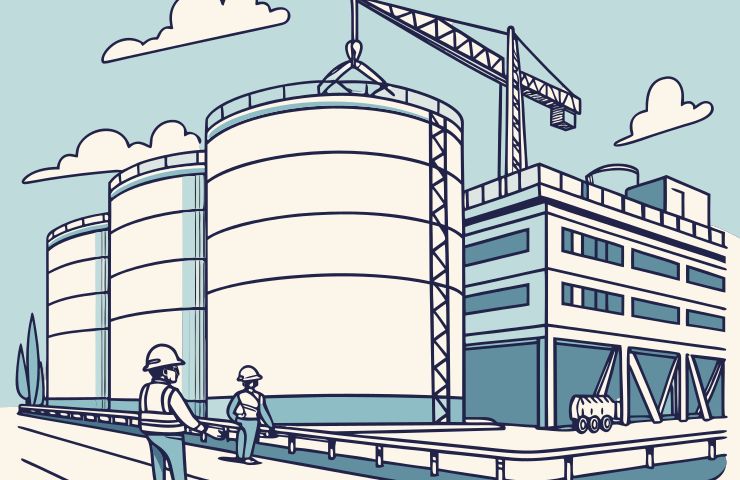
The heart of this whole operation is the DBI gas processing facility. It takes in hydrogen that’s been compressed from the Sunfire electrolyser and extracted from the salt cavern managed by VNG Gasspeicher. As the gas makes its way through, it can pick up some unwanted guests like water vapor, sulfur compounds, and trace hydrocarbons. Luckily, the processing plant has a game plan—it tackles these impurities through a series of treatment stages: starting with sulfur removal, then hydrocarbon polishing, and finally, a novel membrane-assisted drying system that works at nearly room temperature to regenerate desiccant. Plus, there are online sensors keeping a close eye on quality, so every batch always hits that critical 99.97% purity mark required for industrial catalysts. The plant is also built to handle variable flow rates up to 12,000 Nm³/h, which is essential for keeping up with the whims of wind energy while matching it with storage and pipeline injection needs.
Green Hydrogen Production
So, how does it all start? The excitement kicks off with the 30 MW Sunfire electrolyser, which harnesses renewable electricity from the adjacent Terrawatt wind farm to split water into hydrogen and oxygen. This power-to-gas project is a fantastic demonstration at an industrial scale, showing how the unpredictable nature of wind energy can be harnessed for continuous hydrogen production, especially when paired with storage. The control systems do some impressive balancing tricks too—they keep the electrolyser load in sync with how quickly hydrogen can be injected into the cavern and its purification capacity, smoothing out those short-term hiccups while preparing hydrogen for storage or immediate use.
Underground Salt Cavern Storage
Once the hydrogen is purified, it’s compressed and injected into a salt cavern. Thanks to decades of expertise, VNG Gasspeicher knows how to make this work. Salt formations are ideal—they offer a self-sealing and low-leakage environment, perfect for seasonal storage. The process allows the Energiepark to absorb those renewable energy surpluses and dispatch hydrogen as the demand arises. This real-world lab is also keen on monitoring all the hydrogen-specific interactions—like diffusion behavior and how materials respond—to refine their operational protocols for large-scale underground storage.
Pipeline Conversion for Hydrogen Transport
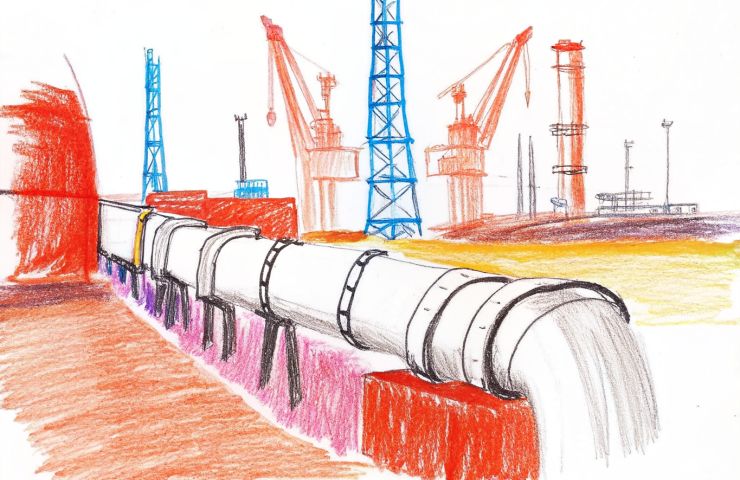
To transport the hydrogen, ONTRAS took an existing 25 km high-pressure steel pipeline that used to carry natural gas and converted it for hydrogen. This project involved some careful metallurgical assessments to avoid hydrogen embrittlement, swapping out any incompatible valves and compressors, and going through TÜV verification checks for integrity. The revamped pipeline smoothly links the energy park with the TotalEnergies refinery, showcasing how we can repurpose old gas networks to boost the hydrogen infrastructure rollout.
Consortium and Funding Structure
Now, let’s talk about the team behind the curtain—the Energiepark consortium consists of a mix of players like DBI, VNG AG, VNG Gasspeicher, VNG Handel & Vertrieb, ONTRAS, Sunfire, Terrawatt, Uniper, and TotalEnergies. Together, they’ve pooled around €210 million for wind generation, electrolysis, storage, processing, and transport assets. The Federal Ministry for Economic Affairs and Climate Protection kicked in €34 million through its ‘Reallabor der Energiewende’ scheme to support this large-scale validation of emerging hydrogen technologies within a research framework.
Strategic Implications
Passing those tightness tests is crucial—it lays the groundwork for integrating hydrogen into industrial processes with secure network conditions. The hydrogen being sent to Leuna is set to replace part of the refinery’s steam-methane-reformed hydrogen, which means lower carbon intensity. If this works as intended, it not only makes a solid case for revamping existing pipelines and caverns but also helps cut capital expenditures for future projects. Plus, the data collected will help fine-tune safety standards, tariff structures, and regulations for hydrogen transmission.
Looking Ahead
What’s next? The plan is to gradually introduce inert gas before incrementally bringing in hydrogen. As production scales up, the project will keep an eye on operational flexibility and economic viability, all while looking to integrate better with power markets. Data on purification processes, quality compliance, and seasonal storage will be invaluable as network operators, regulators, and investors work to roll out cost-effective, large-scale hydrogen infrastructure throughout Germany and across Europe.
Ultimately, what DBI has achieved here demonstrates how precise engineering, strong partnerships, and targeted public funding can really make a difference in advancing the hydrogen value chain. By proving the entire process—from green hydrogen production to purification, storage, and delivery to industrial users—Energiepark Bad Lauchstädt is establishing a blueprint for a sustainable, zero-emission energy future.