News
Hydrogen Infrastructure Expands in Germany as HOYER and H2 MOBILITY Join Forces
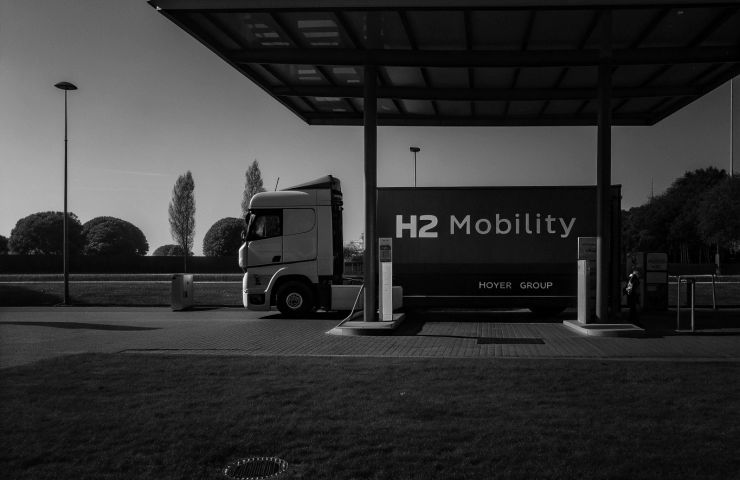
HOYER Group and H2 MOBILITY have launched a hydrogen logistics partnership in Germany’s Rhein-Neckar region, reinforcing zero-emission freight infrastructure with hydrogen fuel cell truck deliveries and scalable logistics support.
Hydrogen Logistics Partnership Powers Next Phase of Germany’s Zero-Emission Transport Goals
On July 21, 2025, two major players in Germany’s hydrogen movement — HOYER Group and H2 MOBILITY — teamed up in a big way. They’ve just signed a strategic logistics deal that gives Germany’s hydrogen infrastructure a serious push forward. Under the agreement, HOYER will take charge of transporting bulk hydrogen, managing delivery schedules, and keeping tabs on supply volumes for H2 MOBILITY's network of refueling stations in the high-impact Rhein-Neckar region, home to 2.7 million residents and a powerhouse of economic activity. It’s a bold step toward cleaner logistics and public transport, and it puts both companies at the forefront of helping Germany — and the EU — hit those all-important climate goals. With hydrogen fleets and infrastructure already in play, they’re not just talking the talk — they’re rolling it down the highway.Fuel-Cell Freight Gets a Supply Chain Backbone
Let’s face it — when it comes to hydrogen mobility, solid logistics are everything. That’s where this partnership fills a real need. HOYER's got the muscle, with a specialized fleet that includes seasoned fuel-cell trucks like the Hyundai XCIENT, ready to keep H2 MOBILITY’s stations reliably fueled. These trucks can cover up to 450 km on a single tank and refuel in about 15 minutes — perfect for commercial routes where battery-powered alternatives can’t quite keep up. For H2 MOBILITY, this deal locks in the logistics they need to scale up the country’s largest hydrogen refueling network. It’s not just future planning; it’s happening now.Aligning with the Bigger Picture of EU Industrial Decarbonization
This move isn’t just about trucks and tanks — it’s deeply in line with Germany’s national hydrogen game plan and wider EU decarbonization efforts. Transport still accounts for around a quarter of greenhouse gas emissions nationwide, so getting clean fuel on the road is more than a technical win — it’s policy in action. Thanks to programs like Germany’s National Hydrogen Strategy and support from initiatives like HyTrucks.NRW, the companies investing in today’s hydrogen infrastructure are setting themselves up for major influence down the road. HOYER, for example, isn’t stopping at this partnership — they’re also working with Nippon Gases to move dry ice with fuel-cell trucks. What started as niche is quickly becoming scalable.Why the Rhein-Neckar Region Matters
The Rhein-Neckar area isn’t just a backdrop — it’s a testing ground with serious muscle. As one of Germany’s industrial and logistics hotspots, it’s a prime pick for deploying cutting-edge hydrogen logistics tech. It’s got the traffic, the infrastructure, and the ambition. Roll out a working model here, and it could be cloned in other regions looking to hit the ground running with zero-emission transport. This region isn’t just benefiting — it’s laying the groundwork for what’s next.Hydrogen Logistics Is the New Competitive Advantage
With HOYER bringing real-world experience — from running hydrogen-powered trucks to overseeing a smart supply chain — and H2 MOBILITY continuing to expand its fueling footprint, the writing’s on the wall: the future of freight isn’t diesel. It’s fuel cell technology backed by smart hydrogen logistics. Here’s what that means on the ground:- Operational Wins: Freight and delivery companies get dependable fueling and scalable logistics they can count on.
- Environmental Upside: Clean tech replaces diesel, cutting emissions without compromising performance.
- Market Trust: Proven partnerships make it easier for fleet operators to get on board with zero-emission technology.
- Local Growth: New jobs, green investments, and future-proof infrastructure fuel regional economies.
What Comes Next?
As a Hoyer exec might put it: “Reliable hydrogen logistics is the engine driving fuel-cell transport forward.” And this partnership delivers just that. By combining their strengths in infrastructure and logistics, HOYER and H2 MOBILITY are helping define what efficient, sustainable freight should look like — in Germany and beyond. If it works in Rhein-Neckar, don’t be surprised to see this model pop up in other major industrial regions.Forward Outlook
At this point, the question isn’t whether fuel cell transport will take off — it’s how fast innovative partnerships like this one can break into the mainstream. Germany’s hydrogen infrastructure is taking shape one route, one station, and one well-timed delivery at a time — and that’s a future worth watching.How was this article?
Thanks for the feedback!