Nebius Picks Bloom Energy for AI Data Centers
Nebius has chosen Bloom Energy's solid oxide fuel cells to power its Vineland AI data center, highlighting the rise of behind-the-meter hydrogen-powered infrastructure for high-density compute.
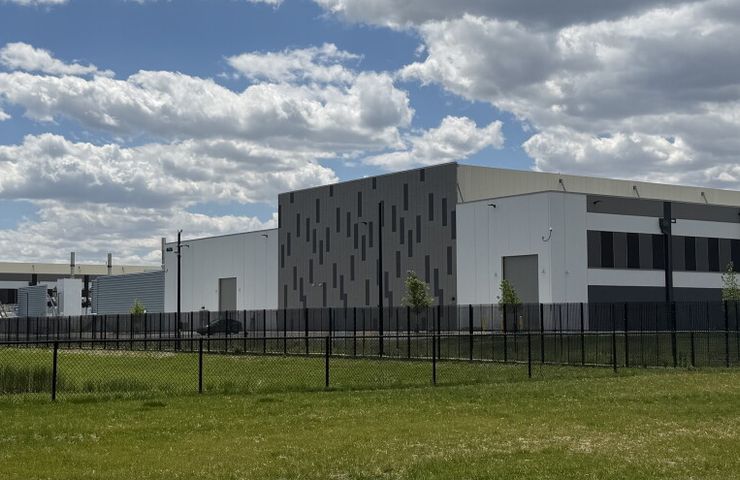
Can solid oxide fuel cells shake things up for AI data centers? That’s the exciting question on everyone’s lips after Nebius Group N.V. decided to partner up with Bloom Energy, making waves in the hydrogen fuel cell news world. Based out of Amsterdam, Nebius has been steadily growing its presence from Europe to the U.S., eyeing big locations in Finland, France, and now New Jersey. By opting for behind-the-meter fuel cells to power a hefty 328 MW setup at its upcoming AI campus in Vineland, they’re putting their chips on on-site generation beating out those pesky long waits for grid connections—something AI workloads just can’t afford to wait on.
Speed to Power in AI Data Centers
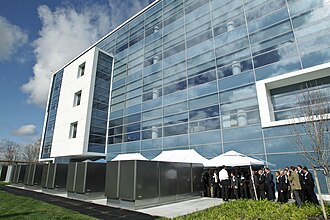
When it comes to powering AI data centers, every second counts—literally. Time delays can translate into significant costs, and those long waits for substation upgrades can stretch anywhere from 18 to 24 months, which is a major headache. But with Bloom’s energy servers installed right behind the meter, Nebius can dodge those delays entirely. These fuel cells pull power from the local distribution network, giving uninterrupted electricity without waiting on those external grid upgrades. Nebius claims this switch won’t throw a wrench in their timeline, basically unlocking instant capacity right where it’s needed, while also keeping a close eye on uptime and local emissions.
How Do Hydrogen Fuel Cells Work?
So, how do these hydrogen fuel cells actually work? Well, at their core are high-temperature ceramic cells that move oxygen ions from the air side to the fuel side—right now that's natural gas, but soon it could be green hydrogen! This awesome electrochemical reaction cranks out electricity with way fewer moving parts than a traditional turbine, plus it can be set up faster than waiting for a grid upgrade. Bloom’s new hydrogen-capable solid oxide fuel cells (SOFC) boast around 60% electrical efficiency, making them a great fit for the future of green hydrogen production and the evolving hydrogen infrastructure.
Lessons from the Lab
Fuel cells in data centers isn’t exactly new territory. Companies like Microsoft Research and the National Renewable Energy Laboratory have previously explored hydrogen-based microgrid designs. They looked at the whole package: electrolyzers, storage, and fuel cells, trying to cut down reliance on the grid and reduce emissions. Sure, those early prototypes faced some bumps along the way, like high capital costs and tricky logistics, not to mention maintenance challenges. But they did show that fuel cells could deliver the same reliability as the grid. Now, with all the substantial baseload needs from today’s AI campuses, there’s enough scale to make those equipment costs plummet, improve installations, and streamline service agreements.
Financing the Clean Tech Stack
Behind this massive $1.7 billion power project is a syndicate of financiers using a strategy that’s pretty standard for big renewable deals. Industrial Development Funding is leading the charge, taking care of permitting, site integration, and project delivery. Equity support is coming from Oaktree Capital Management, which has previously backed quite a few distributed energy projects. In a sign that confidence is growing, Morgan Stanley has handled all the tax-equity financing as the sole investor, with senior debt coming from MUFG Bank. This layered financing approach shows that investors see fuel-cell power plants—often powered by natural gas right now—as solid investments with long-term contracts, much like solar or wind farms.
Market Ripples and Cautions
Following this announcement, Bloom Energy’s stock jumped around 13%, and even companies like FuelCell Energy saw an 11% rise, just riding the wave of good news. Analysts are noting the Nebius deal as a key example of off-take agreements in fuel-cell tech, which is crucial for ensuring predictable revenue. But it’s not all sunshine and rainbows: the current systems still rely heavily on natural gas, raising eyebrows about methane leakage and overall carbon intensity. The long-term success of this venture will depend on finding a clear path to lower-carbon fuels—be it through green hydrogen, blue hydrogen with capture, or biogas blends.
Green Hydrogen vs. Blue Hydrogen
Making the switch to 100% green hydrogen depends on ramping up electrolyzer capacity and boosting renewable resources, while blue hydrogen—which uses natural gas with carbon capture—could help bridge the gap. Bloom’s SOFCs are adaptable, working with both types of fuel and providing flexibility for project developers as hydrogen storage and supply chains continue to evolve. Meanwhile, regulators are juggling the air-quality benefits of distributed generation against carbon reduction goals.
Fuel Cells vs. Batteries
When stacking up hydrogen fuel cells against battery electric solutions, both have their pros and cons. Batteries shine when it comes to high efficiency for short duration bursts, but they struggle with larger, continuous loads due to cost and space constraints. Fuel cells excel at delivering steady baseload power, but they can face challenges with fuel logistics. That's why many operators are now considering hybrids, using batteries for those quick bursts of power and fuel cells for steady, ongoing demand.
Wider Context and What’s Next
Nebius isn’t stopping here—they've got projects already in the pipeline in Finland and France, showcasing a growing distributed AI cloud infrastructure that’s super reliant on local partnerships. Their business model is built around speed, repeatability, and sharing risks, which fit perfectly with behind-the-meter fuel cell technology. With the explosion of AI workloads, grid upgrades just can’t keep up anymore. Modular fuel cells powered by structured financing and the latest clean hydrogen news may soon become the go-to solution for hyperscale campuses looking to take charge of both their timelines and carbon footprints. How well this goes down will depend on manufacturing capacity, service quality, and how easily these fuels are available.
On the Horizon
For operators of data centers and hydrogen infrastructure developers, the stakes couldn’t be higher. Quick, reliable power means a faster rollout of compute-heavy services, and being flexible about fuel types means a clearer road to serious decarbonization. Keep an eye out for more announcements: as electrolyzers ramp up and renewable power continues to drop in cost, hydrogen fuel cells are poised to become a central part of next-gen AI campuses. Other hyperscale players just might take a page from Nebius’s playbook, exploring in-house power solutions that blend batteries, fuel cells, and even waste-heat recovery to boost efficiency and cut carbon emissions.
The intersection of AI, distributed generation, and hydrogen-ready fuel cells is rewriting the rules for power and computation. For Nebius, speeding up site activation translates to a quicker rollout of its AI cloud services. For Bloom Energy, it’s a standout reference that could lead to new orders and ramp up manufacturing efforts. And for those watching the energy market, it’s a clear signal that hydrogen energy news is evolving from just buzz into large-scale commercial applications—a trend worth keeping an eye on as the industry pushes towards zero-emission technologies and decarbonization of industry.