Hydrogen Fuel Cell News: Intelligent Energy Brings IE-SOAR to China’s Low-Altitude Drone Economy
Intelligent Energy used its first major China expo appearance in Shanghai to unveil its IE-SOAR hydrogen fuel cell modules for UAVs, targeting longer endurance and rapid refuelling amid China’s strategic push into the low-altitude economy.
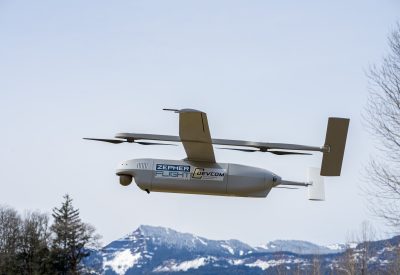
So, hydrogen propulsion is making waves in China’s low-altitude drone scene! Intelligent Energy just made its debut at a major expo, unveiling their IE-SOAR™ fuel cell modules in Shanghai. Here’s the deal: these modules promise flight times that can outlast conventional batteries by three to five times, plus refueling in just a few minutes and zero emissions on the spot. But with the market flooded with super affordable LiPo battery packs, the big question is—can this tech really hold its own? Let’s dive in!
Expo Spotlight
At this month’s International Low Altitude Economy Expo in Shanghai, Intelligent Energy really turned heads with their hydrogen innovations. With over 800 exhibitors showcasing the latest in low-altitude aviation, it’s clear that China is aiming to take the lead in drone services. Over at stand C245, the IE-SOAR modules—rated at 800 W, 1.2 kW, and 2.4 kW—were on display alongside local battery startups, none of which offered any hydrogen solutions. The pitch is all about easy integration, requiring minimal changes to existing drone frames and allowing for quick cylinder swaps in less than five minutes, a far cry from the 30 to 60 minutes it typically takes to recharge a LiPo battery.
What It Means
China is serious about its “low-altitude economy,” seeing it as a vital strategic asset. Drones are now central to tasks like logistics, inspecting pipelines, checking wind farms, emergency responses, and even urban air mobility. But battery limitations, especially those pesky downtime issues, can seriously hamper these operations, particularly for missions that need to go beyond visual line of sight. That’s where reliable hydrogen solutions could come into play, potentially turning around the game with longer flight times and heavier payloads. If hydrogen systems get the green light and local backing, they could change the economics of these services, allowing for more extensive operational reach.
Technical Spotlight
The IE-SOAR model uses proton exchange membrane (PEM) technology to convert compressed hydrogen into DC power. Here’s how it works: Hydrogen gas flows into the anode, splitting into protons and electrons. The protons move through the polymer membrane while electrons power the drone's motors. At the cathode, oxygen and protons merge to form harmless water vapor—the only exhaust created. Weighing in at about 3 to 5 kg for the power module (not counting the hydrogen), the IE-SOAR is designed to fit within the 25 kg weight limit, leaving room for additional gear like cameras or sensors. Plus, integrated control systems handle fuel flow and safety measures, keeping things user-friendly for operators.
Backstory
Since 2016, Intelligent Energy has deployed hundreds of these fuel cell systems across Europe, North America, and Asia. A standout trial in the UK had a DJI Matrice 100 flying continuously for three hours on an 800 W module, a massive leap compared to the measly 20 minutes you’d get with batteries alone. Research from the Journal of Aerospace Technology and Management found that blending fuel cells with battery systems can boost endurance by around 76%. However, the initial costs for fuel cell setups can be intimidating—up to 12 times more than the price of traditional LiPo packs. In another demo with a 650 W module using liquid hydrogen storage, drones managed to hang in the air for nearly 11 hours, showcasing the incredible potential of hydrogen.
Strategic Angle
For Intelligent Energy, China isn’t just another stop on the map—it’s the world’s fastest-expanding drone market. According to operations director Martin Schaefer, adapting their tech to fit local manufacturing needs and safety protocols is a priority. Shanghai’s local government is already rolling out drone corridors and allowing for BVLOS test zones, complete with grants and pilot licenses. While domestic advancements—a recent unmanned transport flight utilizing a megawatt-class hydrogen turboprop—point to a vibrant ecosystem that could span from small drones to larger cargo planes.
Regulatory and Infrastructure Challenges
Even with all that buzz, batteries still reign supreme due to established supply chains and rock-bottom prices. For hydrogen to catch up, it needs a boost in three key areas: green hydrogen production, certified refueling stations, and stringent safety regulations. While China’s push for electrolytic green hydrogen could support drone hubs, setting up stations that can fill hydrogen tanks safely and efficiently requires significant investment—think millions of dollars to create 350–700 bar filling stations equipped with automated leak detectors and sturdy cylinder enclosures. Draft regulations concerning high-pressure storage, filling station certification, and BVLOS flight approvals are being worked on. However, getting everything off the ground will depend on strong partnerships between the public and private sectors.
Maverick’s Take
The excitement around the expo is palpable, but don’t confuse that with imminent widespread adoption. Hydrogen fuel cells have their niche for high-value operations—think offshore monitoring, long-range surveying, and critical infrastructure inspections—where battery downtime simply isn’t an option. For more everyday applications like package deliveries or aerial photography, LiPo batteries will likely keep their foothold until hydrogen can level the playing field in terms of cost and reliability. It’s likely that Chinese firms will push for local assembly or sharing of intellectual property, while state-backed companies may support homegrown fuel cell startups. Any foreign companies looking to enter this space will probably find themselves needing joint ventures to tackle tech transfer and data security hurdles
If Intelligent Energy can secure key partnerships in China and connect its IE-SOAR modules to a clean hydrogen network, they could carve out a sustainable niche in long-endurance missions. Without this, though, they risk becoming just another shiny prototype. Next steps involve regional pilot programs in Guangdong and Hainan—if these initiatives take flight, we might finally see some real competition for batteries in China’s low-altitude economy.